
 English
 中文简体
中文简体This 290gsm*165cm Haipai velvet fabric is easy to care for and 30mm thick, making it suitable for clothing, toys, pet beds, blankets, and other decorative applications. Its excellent wear resistance a...
See DetailsHow to Source Premium Printing Plush Fabric?
Content
The global textile market is increasingly demanding materials that combine sensory luxury with high-performance aesthetics. When sourcing Printing Plush Fabric, professional buyers often find themselves navigating a complex landscape of pile heights, ink absorption rates, and environmental certifications. Selecting the right material is not merely about the visual pattern; it is about the structural integrity of the fibers and the precision of the printing technology applied. High-quality plush fabrics serve as the backbone for premium home textiles, toys, and fashion accessories, requiring a deep understanding of how synthetic fibers interact with various dye chemistries to ensure longevity and safety.
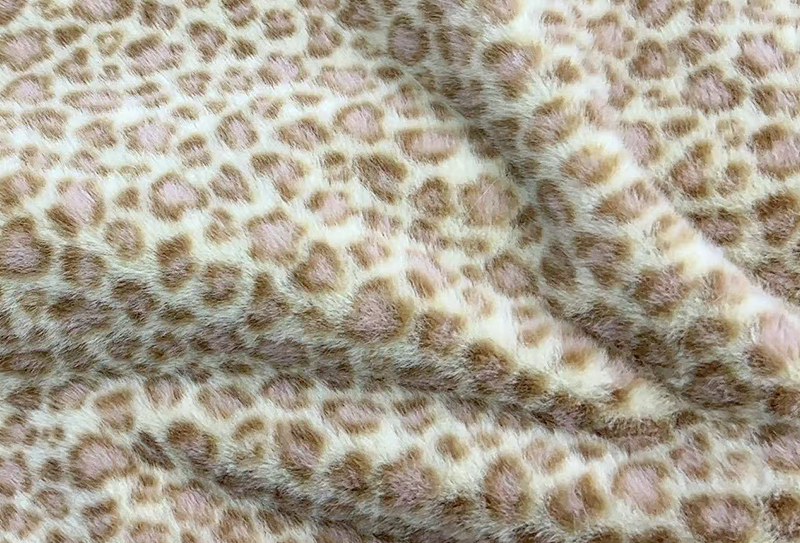
Understanding the Tech Behind Quality Printing Plush Fabric
The technical superiority of modern plush materials lies in the synergy between advanced knitting techniques and digital precision. For manufacturers focused on the nursery and childcare sector, choosing the Best reactive printing plush fabric for baby products is paramount. Unlike standard pigment printing, which sits on the surface and can feel stiff, reactive printing involves a chemical bond between the dye and the cellulose or protein fiber. This results in a fabric that maintains its ultra-soft "hand-feel" even after multiple washes, ensuring that the delicate skin of infants is never irritated by harsh chemical residues or abrasive textures. Furthermore, the evolution of disperse dyes has enabled Sublimation printing plush fabric for soft toys to achieve near-photographic clarity, allowing for intricate character designs that do not fade or crack over time.
- Reactive Dyes: Offer superior colorfastness and maintain the natural softness of the plush pile.
- Sublimation Techniques: Ideal for high-polyester content, ensuring the ink penetrates deep into the fiber core.
- Fiber Density: High-density knits provide a smoother "canvas" for printing, reducing "grinning" where the base fabric shows through.
How to identify the highest quality soft faux fur fabric for luxury home decor?
To identify top-tier faux fur, one must look beyond the initial touch. Professional graders evaluate the "density-to-loft" ratio, ensuring the fabric feels substantial rather than hollow. High-quality variants utilize a mix of denier sizes to mimic natural guard hairs, providing a multi-dimensional look that captures light elegantly. We specialize in producing high-GSM (Grams per Square Meter) fabrics that prevent the common "thinning" look often seen in budget alternatives, ensuring a lush, continuous surface even when draped over furniture edges.
| Feature | Premium Luxury Grade | Standard Commercial Grade |
| Fiber Composition | Multi-denier modified acrylic/polyester | Single-denier basic polyester |
| Backing Strength | Reinforced double-knit backing | Single-layer thin mesh |
| Pile Retention | Minimal shedding due to heat-set fibers | Prone to fiber loss under friction |
Durability and Safety: What Professional Buyers Look For
In the industrial application of plush textiles, durability is often measured by the fabric's resistance to mechanical stress and its ability to retain its aesthetic appeal under heavy use. Many international brands now seek out Durable double-sided printing plush fabric suppliers to create versatile products like reversible throws and high-end pet beds. Double-sided printing requires sophisticated machinery that can align patterns perfectly on both the face and the reverse without the ink bleeding through or compromising the structural stability of the knit. This durability is further enhanced by specialized finishing processes, such as anti-pilling and anti-static treatments, which keep the fabric looking new after prolonged domestic use. Safety is equally critical, leading to a surge in demand for Eco-friendly rotary screen printing plush fabric wholesale, which utilizes non-toxic, water-based inks that comply with rigorous international safety standards.
- Tensile Strength: Essential for upholstery and high-stress toy seams.
- Washability: High-grade plush should withstand 30+ industrial wash cycles without significant pile distortion.
- Chemical Compliance: Ensuring all dyes are free from heavy metals and phthalates.
What makes some soft faux fur fabric more durable and less prone to shedding?
The secret to non-shedding faux fur lies in the "interlock" of the knitting process. Quality manufacturers utilize a secondary coating or a high-heat "locking" stage during the finishing process to secure the fibers into the backing. Our production line integrates a unique fiber-lock technology that significantly reduces fiber migration, a common complaint in the luxury decor industry. By controlling the tension during the knitting phase, we ensure that each strand of Printing Plush Fabric is anchored firmly, providing a clean, lint-free experience for the end consumer.
| Durability Factor | High-End Production | Low-Cost Production |
| Shedding Resistance | Heat-locked base fibers | Loose mechanical weave |
| Color Migration | Zero bleed across double-sided prints | Frequent ghosting or ink transfer |
| Eco-Certification | Oeko-Tex Standard 100 compliant | Non-certified industrial dyes |
Customization and Application Scenarios
The modern consumer market thrives on personalization, which has shifted the focus toward flexible manufacturing solutions. The ability to provide Custom digital printing plush fabric for blankets allows designers to create limited-edition runs without the massive overhead of traditional screen printing. Digital printing technology eliminates the need for expensive screens, making it possible to produce complex, multi-colored gradients that were previously impossible. This is particularly beneficial for high-end boutique brands that require unique floral, geometric, or abstract patterns on a soft, tactile base. As a leading provider, we offer low minimum order quantities (MOQ) combined with high-definition print capabilities to help brands scale their customized collections efficiently.
- Short-Run Flexibility: Ideal for seasonal collections and niche market testing.
- Design Precision: Digital nozzles can replicate intricate artwork with 1200 DPI clarity.
- Market Adaptability: Rapidly switch between patterns to meet evolving consumer trends.
| Application | Recommended Fabric Weight | Optimal Printing Method |
| Luxury Blankets | 300 - 450 GSM | Digital Inkjet Printing |
| Soft Toys | 200 - 280 GSM | Sublimation Transfer |
| Apparel Lining | 150 - 220 GSM | Rotary Screen Printing |
FAQ
Is digital printing on plush fabric durable for frequent washing?
Yes, when utilizing high-quality disperse or reactive inks, digital printing is exceptionally durable. The key is the post-printing treatment, which includes steaming and specialized washing to "fix" the dyes into the polyester or blended fibers. This ensures that the vibrant colors of your Printing Plush Fabric remain intact even after repeated machine washing, preventing the fading or "graying" often associated with inferior printing methods.
Which fabric is best for high-definition toy printing?
For toys requiring high detail, Sublimation printing plush fabric for soft toys is the industry standard. This method allows the ink to turn into a gas and permeate the fibers, meaning there is no "feel" to the print, and it cannot be scratched off. It works best on 100% polyester plush with a short pile height (1mm to 3mm), providing a smooth surface that captures every detail of the character's design.
How do I ensure the plush fabric is safe for babies?
To ensure maximum safety, always source Best reactive printing plush fabric for baby products that carries Oeko-Tex or REACH certifications. These fabrics undergo rigorous testing for harmful substances. Reactive printing is preferred for babies because the dyes become part of the fiber itself, meaning there is no risk of ink particles being swallowed or causing skin irritation during contact.
Hot News
-
-
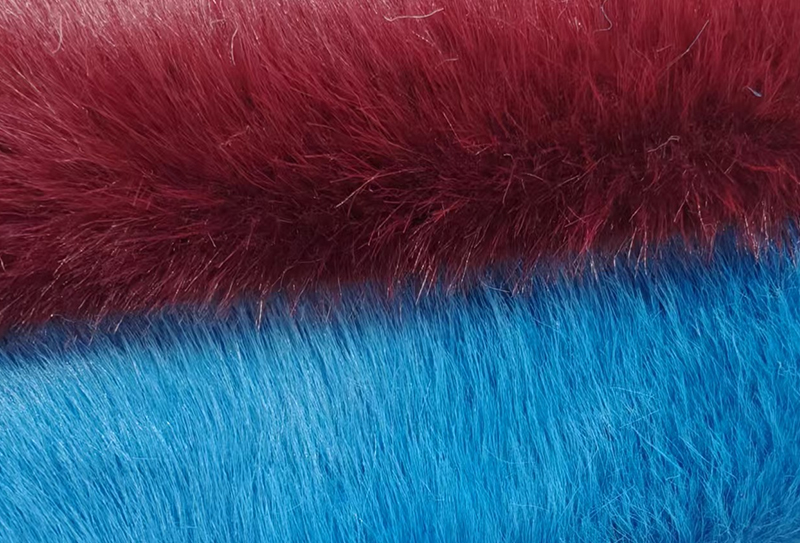
This 800mg*185cm Platinum Mink Faux Fur fabric is made from imitation mink fibers with a soft hand and a natural sheen, resembling the feel of real mink. The 800g/m2 weight ensures the fabric maintain...
See Details -
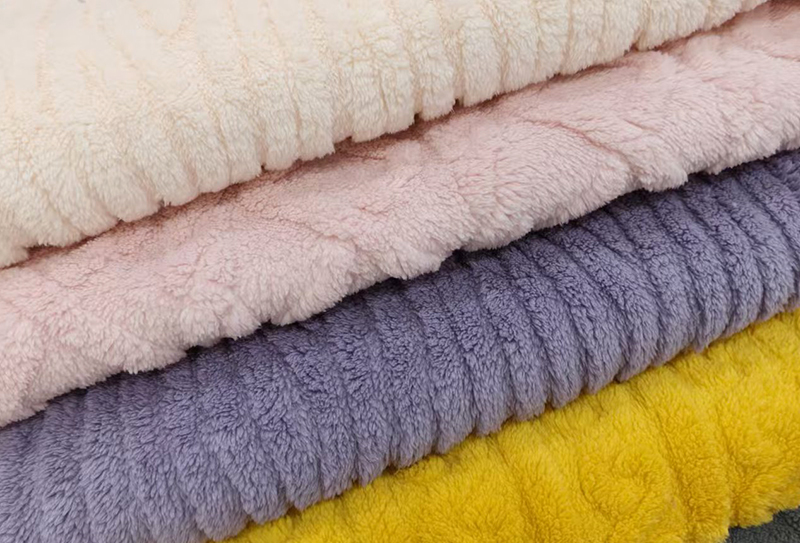
This 280gsm*185cm double-sided 3D jacquard comfortable cotton velvet fabric utilizes an innovative double-sided weaving process, creating distinct 3D jacquard patterns on both sides. The 280g/m weight...
See Details -
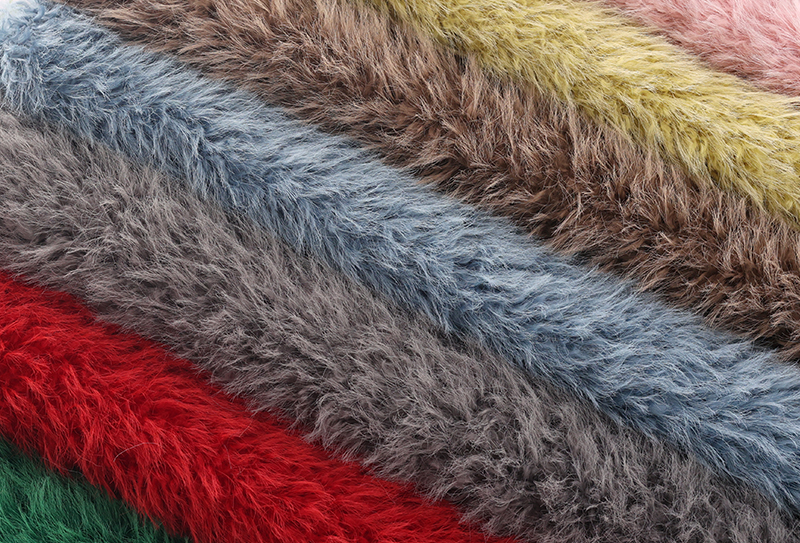
This 700g x 160cm Guifei Toka imitation fox fur fabric utilizes biomimetic fiber technology to mimic the fluffiness and smoothness of real fox fur. The medium weight of 700g/cm creates a fluffy feel w...
See Details -
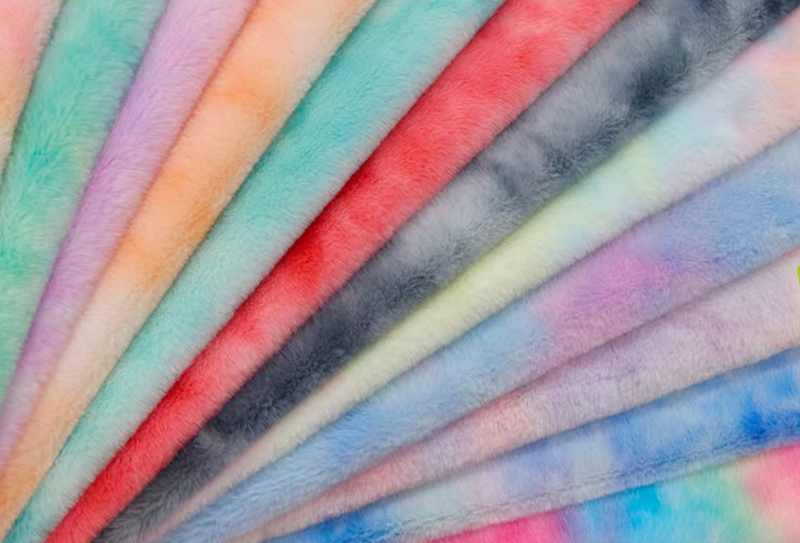
This 450g/165cm tie-dye printed rabbit fur fabric utilizes innovative digital inkjet technology to create an artistic tie-dye gradient effect on a base fabric that mimics rabbit fur. The lightweight 4...
See Details -
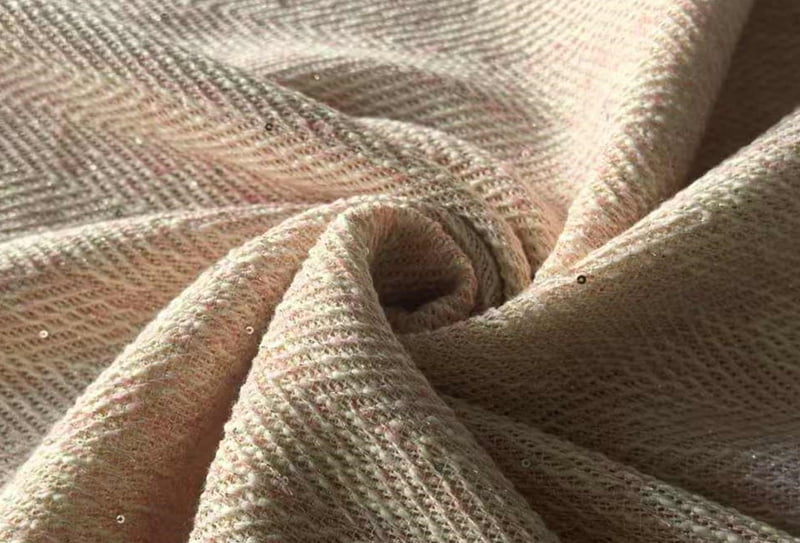
This 370g/148cm polyester tweed fabric (Article No. 980240) utilizes a high-end sequin lamination process, incorporating delicate sequins into a classic Chanel-inspired texture. Its medium weight of 3...
See Details
Contact us
 1027, Floor 1, Zone 1, Beilian Market, China Textile City, Keqiao District, Shaoxing City, Zhejiang Province, China
 +86-159 8821 9333

Copyright © Shaoxing Wanyi Textile Co., Ltd. All Rights Reserved
Custom Soft Faux Fur Fabric, Sherpa Fleece Material Manufacturers
