
 English
 中文简体
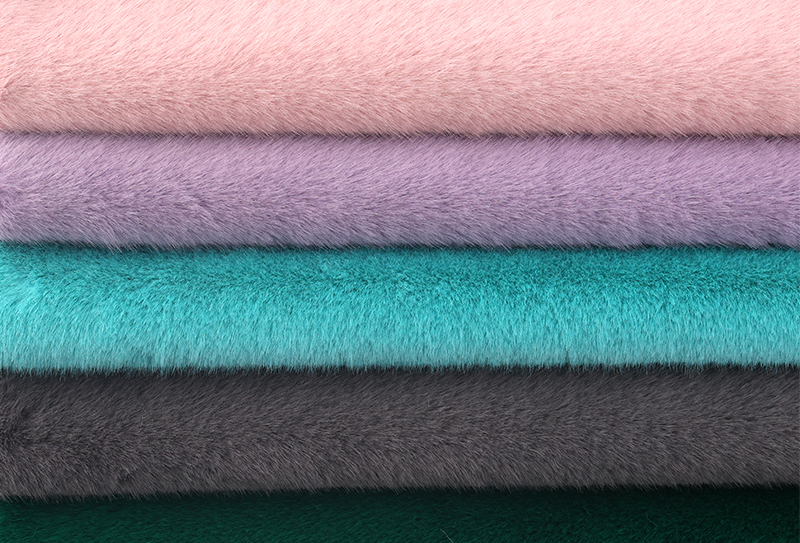
中文简体This 290gsm*165cm Haipai velvet fabric is easy to care for and 30mm thick, making it suitable for clothing, toys, pet beds, blankets, and other decorative applications. Its excellent wear resistance a...
See DetailsThe Ultimate Technical Guide to Sourcing Soft Faux Fur Fabric for Wholesale
Content
Introduction to Synthetic Fur Technology
The textile industry has witnessed a significant paradigm shift driven by advances in polymer science. Manufacturers increasingly prefer synthetic alternatives over natural fur due to ethical concerns and cost efficiency. Soft faux fur fabric represents a category of high-performance textiles designed to mimic the tactile properties of animal fur while offering superior consistency for industrial applications. For procurement officers and B2B buyers, understanding the technical nuances of these materials is essential for ensuring product quality and supply chain stability.
Material Composition and Technical Specifications
The quality of synthetic fur depends heavily on its raw material composition and manufacturing techniques. Engineers and buyers must evaluate these factors rigorously.
Fiber Morphology and Pile Structure
The tactile sensation of the fabric is determined by the fiber fineness and pile height. Most high-pile faux fur material utilizes modacrylic or polyester fibers. Modacrylic polymers offer a softness that closely resembles natural fur, while polyester provides higher tensile strength and easier maintenance. Pile height typically ranges from 10mm to 50mm, affecting both the aesthetic and the thermal insulation properties. A higher pile density usually correlates with better recovery performance after compression, which is a critical metric for longevity.
Backing Fabric Engineering
The backing fabric serves as the skeleton of the textile. It anchors the pile fibers and determines the dimensional stability of the product. We usually see polyester-cotton blends or 100% polyester knit backings. A robust backing prevents pile shedding during washing or heavy usage. When sourcing wholesale faux fur fabric by the yard, buyers must request technical datasheets regarding backing weight and burst strength to ensure the material meets production standards.
Performance Metrics for Bulk Procurement
Performance testing provides quantifiable data for B2B decision-making. Laboratories use standardized tests to evaluate durability and safety.
Different applications require distinct performance profiles. The following table compares key physical properties across three common types of faux fur to assist engineers in material selection.
| Property / Material Type | Modacrylic High Pile | Polyester Standard Pile | Low-Pile Sherpa | |
| Average Pile Height (mm) | 25 - 40 | 15 - 30 | 10 - 20 | |
| Tensile Strength (N) | Moderate | High | Very High | |
| Shedding Rate (mg/m²) | Low | Medium | Very Low | |
| Fire Retardancy | Inherent | Requires Treatment | Requires Treatment |
Application-Specific Sourcing Strategies
Selecting the right fabric requires matching technical specifications with end-use requirements. One fabric cannot fit all scenarios.
Soft Plush Fabric for Bedding and Home Textiles
When manufacturers produce throws, blankets, or mattress toppers, comfort is the priority. Soft plush fabric for bedding requires a dense pile structure that provides excellent thermal insulation without causing overheating. The "skin-sensing" property is crucial here. The fabric must pass skin irritation tests to ensure safety for direct contact. Buyers should also check colorfastness to washing, as bedding items require frequent laundering.
Faux Fur Fabric for Upholstery Projects
Furniture applications demand higher durability compared to bedding. Faux fur fabric for upholstery undergoes rigorous abrasion testing. Industry standards often require a Martindale abrasion resistance of at least 15,000 cycles for residential furniture. Furthermore, the backing structure needs to be significantly tighter to withstand the tension during the upholstering process. Pilling resistance is another non-negotiable parameter for furniture fabrics.
Synthetic Fur Fabric for Clothing Manufacturing
The fashion industry imposes different constraints on fabric selection. Synthetic fur fabric for clothing requires excellent drapability. A garment needs to flow naturally with body movement, so the fabric must not be too stiff. Lighter backing weights are often preferred for apparel. Additionally, manufacturers must consider the sewing performance. The fabric should not cause needle damage or excessive friction during high-speed sewing operations.
Key Considerations for B2B Purchasing
Quality Control in Bulk Orders
Consistency is the biggest challenge in mass production. When ordering wholesale faux fur fabric by the yard, the deviation in color (Delta E value) between different dye lots must be minimized. Engineers should implement a strict AQL (Acceptable Quality Limit) inspection plan. Key inspection points include pile density uniformity, backing defects, and the presence of odd fibers.
Sustainability and Certifications
Global markets increasingly demand sustainable products. Recycled polyester (rPET) is becoming a standard in the production of soft faux fur fabric. Certifications such as GRS (Global Recycled Standard) and OEKO-TEX Standard 100 serve as trust signals for buyers. These certifications verify that the fabric is free from harmful substances and produced in environmentally responsible facilities.
Conclusion
The selection of faux fur fabrics involves a complex balance of aesthetics, technical performance, and cost. By understanding fiber technology, performance metrics, and application-specific requirements, procurement professionals can make informed decisions. Whether sourcing for bedding, upholstery, or fashion, technical due diligence ensures the final product meets market expectations.
Frequently Asked Questions
- How do I distinguish between high-quality and low-quality faux fur?
- What is the standard width for wholesale faux fur fabric rolls?
- Can faux fur fabric be treated for fire resistance?
References
- Kadolph, S. J. (2014). Textiles (11th ed.). Pearson.
- Elsasser, V. H. (2010). Textiles: Concepts and Principles (3rd ed.). Fairchild Books.
- ASTM D1683 - 17, Standard Test Method for Failure in Sewn Seams of Woven Fabrics, ASTM International, West Conshohocken, PA, 2017.
- Hatch, K. L. (1993). Textile Science. West Publishing Company.
- Oeko-Tex Standard 100 Application Handbook. (2023). International Oeko-Tex Association.
Hot News
-
-
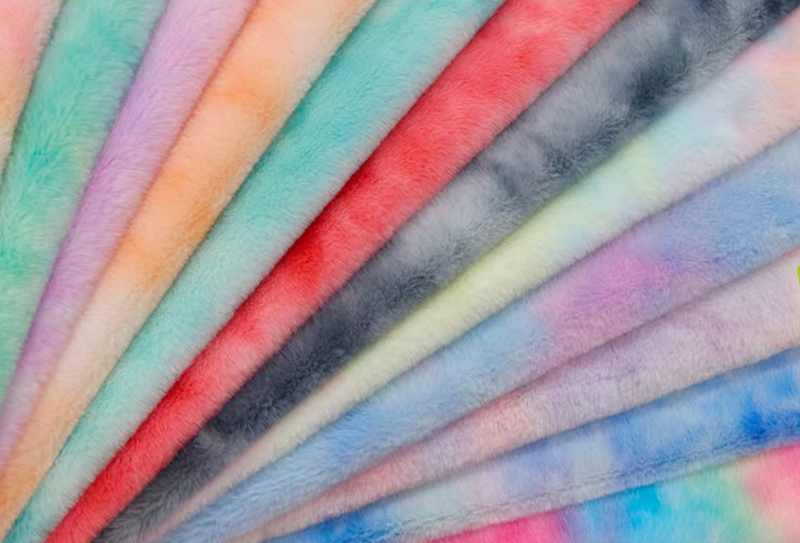
This 450g/165cm tie-dye printed rabbit fur fabric utilizes innovative digital inkjet technology to create an artistic tie-dye gradient effect on a base fabric that mimics rabbit fur. The lightweight 4...
See Details -
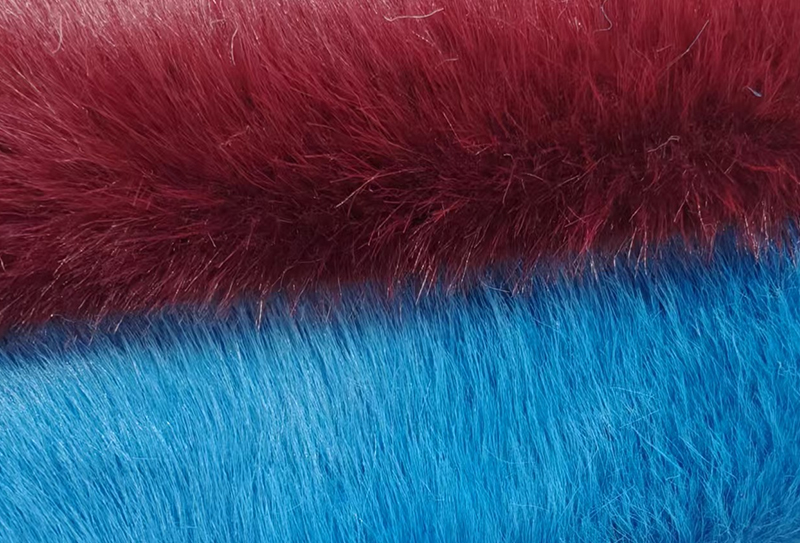
This 800mg*185cm Platinum Mink Faux Fur fabric is made from imitation mink fibers with a soft hand and a natural sheen, resembling the feel of real mink. The 800g/m2 weight ensures the fabric maintain...
See Details -
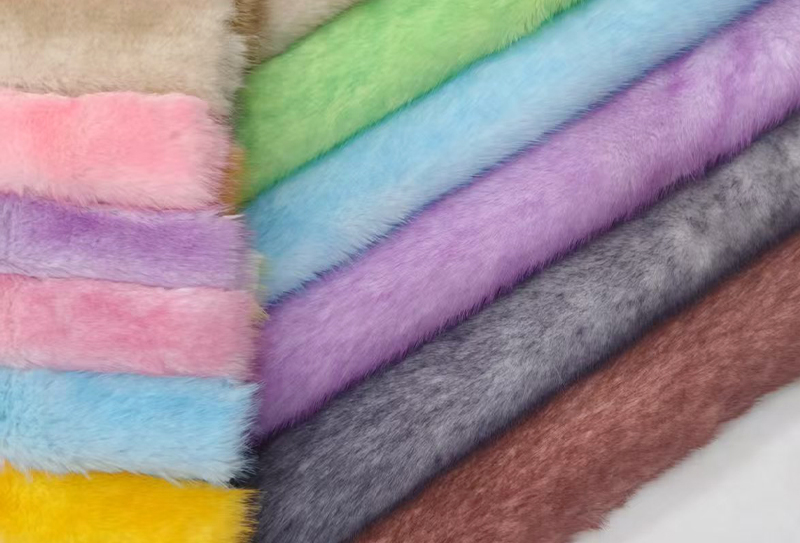
This 700g thickened, 165cm rainbow mink imitation fox fur fabric utilizes a gradient dyeing technique to create a naturally transitioning rainbow effect. The high-density base fabric combined with the...
See Details -
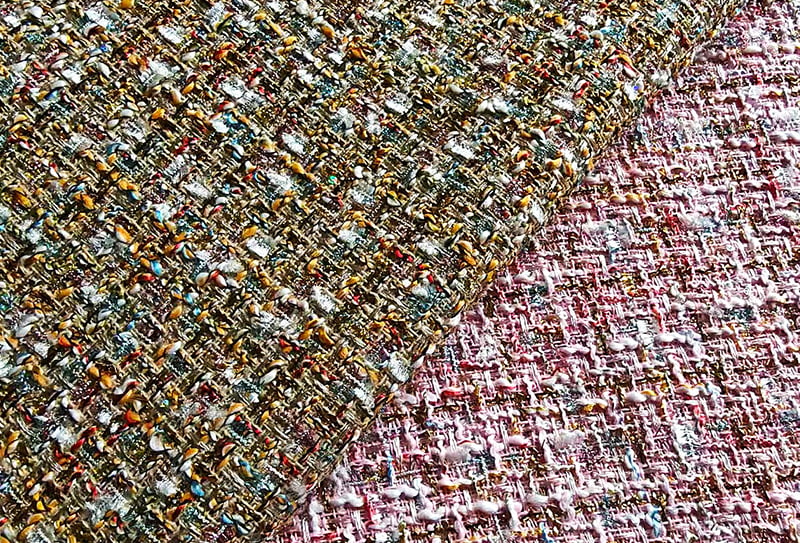
This 450g/148cm tweed fabric (item 1722) features a woven composite of gold and silver threads and sequins. Its thickened 450g/m weight imparts exceptional stiffness, while its 148cm width is optimize...
See Details -
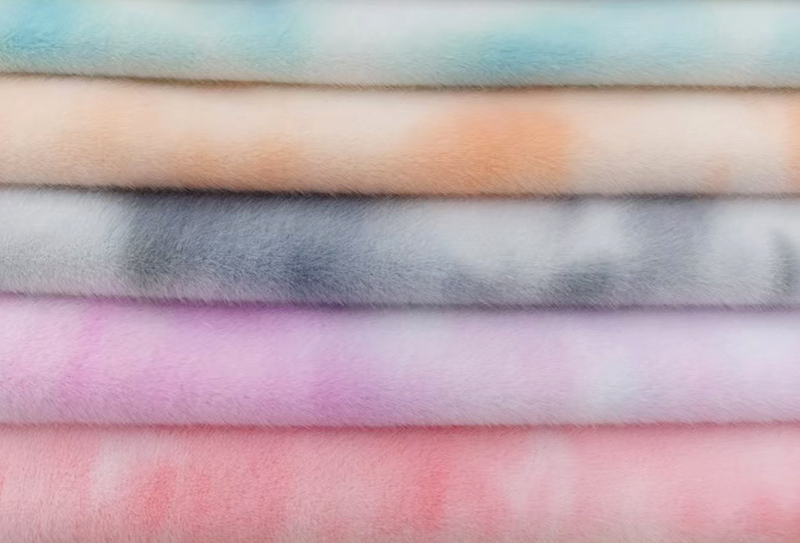
This 550g/160cm European mink tie-dyed plush fabric uses a tie-dye printing process to create an artistic gradient effect. Its medium-heavy 550g/m weight provides a rich feel, while its 160cm width al...
See Details
Contact us
 1027, Floor 1, Zone 1, Beilian Market, China Textile City, Keqiao District, Shaoxing City, Zhejiang Province, China
 +86-159 8821 9333

Copyright © Shaoxing Wanyi Textile Co., Ltd. All Rights Reserved
Custom Soft Faux Fur Fabric, Sherpa Fleece Material Manufacturers
