
 English
 中文简体
中文简体This 280gsm*185cm double-sided 3D jacquard comfortable cotton velvet fabric utilizes an innovative double-sided weaving process, creating distinct 3D jacquard patterns on both sides. The 280g/m weight...
See DetailsWhat Is Three-dimensional Jacquard Fabric?
Content
- 1 Understanding Three-dimensional Jacquard Fabric
- 2
- 3 3D Jacquard Fabric Manufacturing Process
- 4 Three-dimensional Jacquard Fabric Textile Applications
- 5 Custom Three-dimensional Jacquard Fabric Design
- 6 How to Identify High-quality Decorative Fabrics
- 7 About Our Company
- 8 Choosing the Right Fabric for Your Project
- 9 FAQ
- 9.1 Is three-dimensional jacquard fabric suitable for high-traffic upholstery?
- 9.2 How does 3D jacquard fabric compare to printed textiles?
- 9.3 Can three-dimensional jacquard fabric be customized for specific projects?
- 9.4 What are the main benefits of three-dimensional jacquard fabric textile applications?
- 9.5 How is the 3D jacquard fabric manufacturing process controlled for quality?
Understanding Three-dimensional Jacquard Fabric
Three-dimensional Jacquard Fabric is a specialized woven textile engineered to create raised, sculptural patterns directly within the fabric structure. Unlike surface-printed or embroidered materials, this fabric achieves depth through precise yarn interlacing, resulting in a tactile and visually rich surface. Its popularity continues to grow in interior design, upholstery, and decorative textiles due to its ability to combine durability, artistry, and luxury appeal in a single material. From a technical perspective, three-dimensional jacquard fabrics are produced on advanced jacquard looms that control individual warp threads, allowing intricate patterns and layered textures to emerge organically during weaving.
- Creates dimensional patterns without additional finishing
- Offers enhanced durability due to woven structure
- Suitable for both decorative and functional applications
What makes three-dimensional jacquard fabric different from traditional woven fabric
The primary distinction lies in structural complexity. Traditional woven fabrics focus on flat pattern repetition, while difference between 3D jacquard fabric and woven fabric becomes evident in depth, texture, and performance. Three-dimensional jacquard fabrics integrate multiple yarn layers to create elevation, shadow, and tactile contrast. This structural variation not only improves aesthetics but also enhances wear resistance and longevity, especially in high-use environments.
- Layered yarn construction versus flat interlacing
- Greater visual depth and texture definition
- Improved abrasion resistance
| Feature | 3D Jacquard Fabric | Traditional Woven Fabric |
| Surface Depth | High | Low |
| Design Complexity | Advanced | Basic |
| Durability | Strong | Moderate |
3D Jacquard Fabric Manufacturing Process
The 3D jacquard fabric manufacturing process relies on sophisticated loom technology and meticulous planning. Each design begins as a digital pattern mapped to loom instructions, controlling thousands of warp threads independently. Yarn selection plays a critical role, as different fiber thicknesses and tensions directly influence dimensional outcomes. Quality control is embedded throughout production to ensure consistency, texture clarity, and structural stability.
- Digital pattern programming for precise control
- Multi-yarn layering to build dimension
- Continuous inspection during weaving
How the 3D jacquard weaving process works
Advanced jacquard looms lift and lower individual warp threads according to programmed designs, enabling complex pattern repetition and depth variation. The process allows designers to integrate texture directly into the fabric, eliminating the need for post-processing.
- Individual warp thread manipulation
- High-density weaving for texture retention
- Stable pattern formation
Three-dimensional Jacquard Fabric Textile Applications
Three-dimensional jacquard fabric textile applications span a wide range of decorative and functional uses. The fabric’s dimensional qualities make it ideal for environments where visual richness and durability are equally important. Interior designers often specify these fabrics for statement pieces that demand both performance and sophistication.
- Residential and commercial upholstery
- Decorative wall panels and cushions
- Architectural textile accents
Three-dimensional jacquard fabric for upholstery
Three-dimensional jacquard fabric for upholstery excels in seating and furniture applications due to its structural integrity and resistance to deformation. The raised patterns maintain their shape over time, even under frequent use, making the fabric suitable for both luxury and high-traffic settings.
- Maintains texture under pressure
- Enhanced comfort and grip
- Long service life
Custom Three-dimensional Jacquard Fabric Design
Customization is a defining advantage of custom three-dimensional jacquard fabric design. Manufacturers collaborate closely with designers to translate creative concepts into woven realities. Adjustments in yarn type, pattern scale, and depth allow tailored solutions for specific projects, ensuring both aesthetic alignment and functional performance.
- Pattern scaling and depth control
- Material blending for performance tuning
- Prototype sampling before production
How to Identify High-quality Decorative Fabrics
Selecting premium decorative fabrics requires an understanding of structure, material behavior, and finishing quality. While three-dimensional jacquard fabrics are known for woven durability, buyers often compare them with other plush materials when designing luxury interiors.
- Examine weave density and consistency
- Assess texture recovery after compression
- Review production standards
How to identify the highest quality soft faux fur fabric for luxury home decor?
High-quality soft faux fur fabric is characterized by uniform pile height, strong fiber anchoring, and consistent coloration. Unlike woven jacquard structures, faux fur relies on pile construction, making backing strength and fiber bonding critical indicators of quality.
- Even pile distribution
- Secure backing structure
- Minimal fiber shedding
What makes some soft faux fur fabric more durable and less prone to shedding?
Durability in soft faux fur fabrics depends on fiber length, anchoring technique, and backing composition. Fabrics engineered with dense backing and shorter, well-locked fibers tend to outperform alternatives in long-term use.
- High-density backing materials
- Optimized fiber length
- Controlled finishing processes
| Fabric Type | Durability | Shedding Risk |
| 3D Jacquard Fabric | High | Very Low |
| Soft Faux Fur Fabric | Medium | Variable |
About Our Company
Our organization specializes in advanced textile development, with a strong focus on three-dimensional woven structures. Through continuous innovation and technical expertise, we support clients seeking reliable, high-performance decorative fabrics tailored to modern design demands.
- Extensive experience in jacquard weaving
- Focus on quality and consistency
- Collaborative development approach
Choosing the Right Fabric for Your Project
Selecting the appropriate fabric depends on intended use, aesthetic goals, and performance requirements. Three-dimensional jacquard fabrics are particularly suitable when texture, durability, and visual depth are priorities.
- Consider usage environment
- Balance design and performance
- Consult technical specifications
FAQ
Is three-dimensional jacquard fabric suitable for high-traffic upholstery?
Yes, Three-dimensional Jacquard Fabric is well-suited for high-traffic upholstery due to its woven construction and resistance to surface wear. The dimensional patterns are integral to the fabric, reducing the risk of flattening over time.
How does 3D jacquard fabric compare to printed textiles?
Unlike printed textiles, 3D jacquard fabrics incorporate patterns directly into the weave. This results in superior durability, richer texture, and longer-lasting visual impact.
Can three-dimensional jacquard fabric be customized for specific projects?
Yes, through custom three-dimensional jacquard fabric design, manufacturers can adjust patterns, depth, and materials to meet specific aesthetic and functional requirements.
What are the main benefits of three-dimensional jacquard fabric textile applications?
The key benefits include enhanced texture, structural durability, and versatility across upholstery, decor, and architectural uses.
How is the 3D jacquard fabric manufacturing process controlled for quality?
Quality control involves yarn testing, loom calibration, and continuous inspection during weaving to ensure consistency and performance.
Hot News
-
-
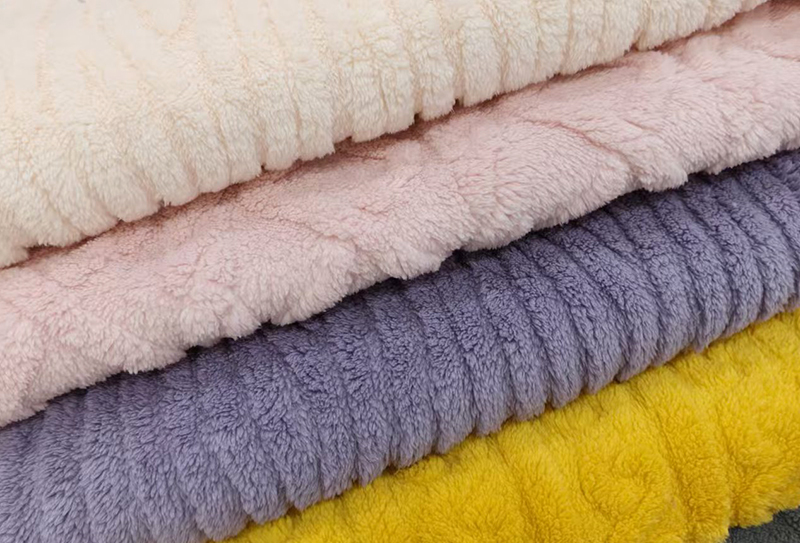
This 290gsm*165cm Haipai velvet fabric is easy to care for and 30mm thick, making it suitable for clothing, toys, pet beds, blankets, and other decorative applications. Its excellent wear resistance a...
See Details -
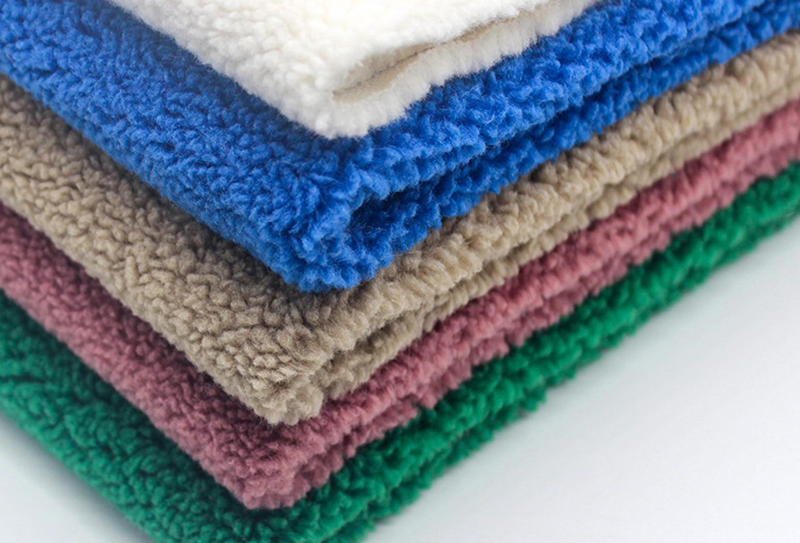
This 750mg*160cm wheat-ear grain plush fabric uses a dyeing process to create a natural, smooth, three-dimensional grain texture resembling wheat ears. The medium-heavy weight of 750g/m2 imparts the f...
See Details -
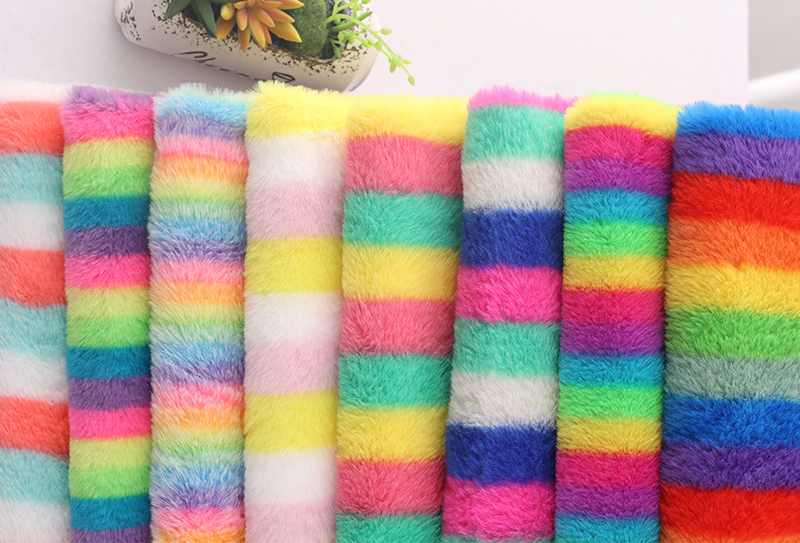
This 500mg*160cm colorful striped rabbit fur print plush fabric features a vibrant, colorful striped pattern on the imitation rabbit fur surface. Its moderate weight of 500g/m2 ensures softness and vo...
See Details -
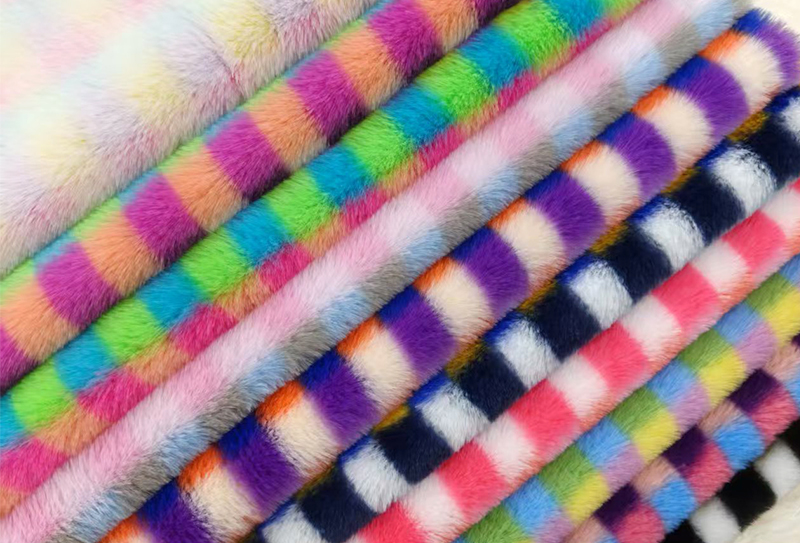
This 500mg*160cm checkered rabbit fur print plush fabric utilizes printing technology to create a clear, rich checkered pattern on the imitation rabbit fur surface. The medium weight of 500g/m ensures...
See Details -
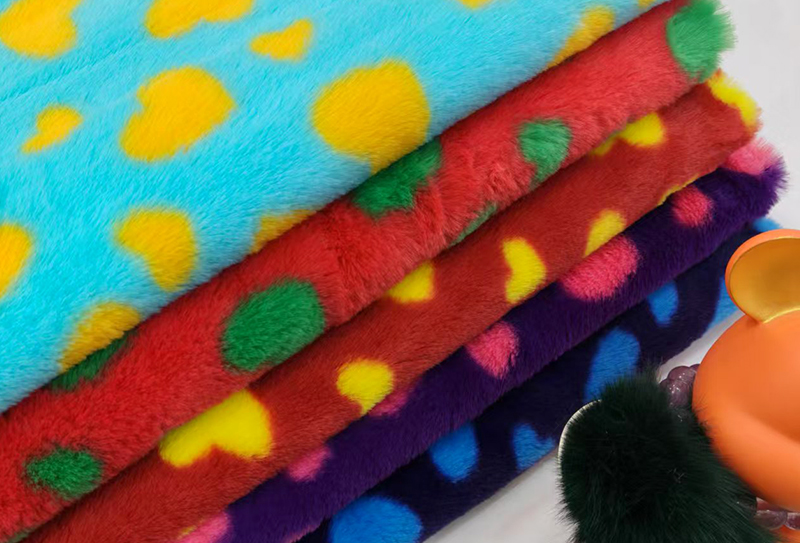
This 500mg x 160cm soft plush fabric with a heart print utilizes a printing process to create a clear, three-dimensional heart pattern on a 280g high-quality plush base fabric. The 500g/m lofty weight...
See Details
Contact us
 1027, Floor 1, Zone 1, Beilian Market, China Textile City, Keqiao District, Shaoxing City, Zhejiang Province, China
 +86-159 8821 9333

Copyright © Shaoxing Wanyi Textile Co., Ltd. All Rights Reserved
Custom Soft Faux Fur Fabric, Sherpa Fleece Material Manufacturers
