
 English
 中文简体
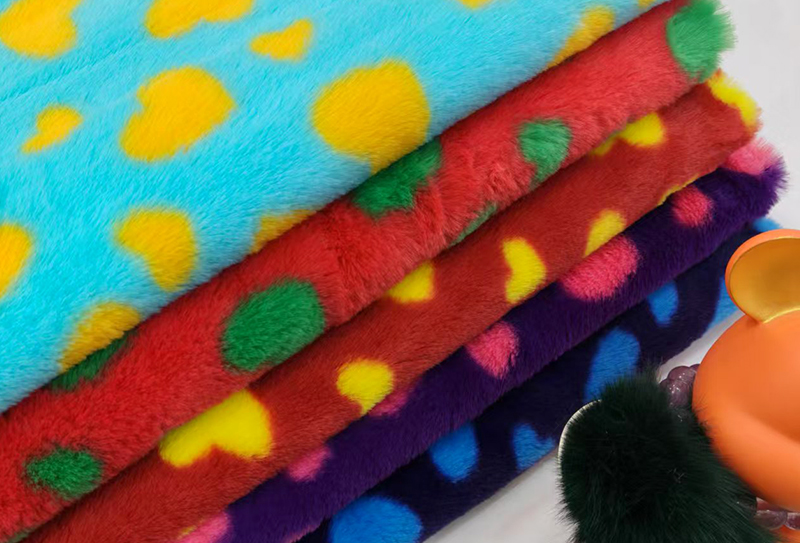
中文简体This 500mg x 160cm soft plush fabric with a heart print utilizes a printing process to create a clear, three-dimensional heart pattern on a 280g high-quality plush base fabric. The 500g/m lofty weight...
See DetailsWhy Choose Faux Fur Instead of Real Fur?
Content
The question of whether to choose faux fur or real fur is no longer a simple matter of personal taste. It has evolved into a complex decision that involves ethics, environmental impact, durability, and practical daily use. For many, Faux Fur Fabric offers a compelling answer that aligns with modern values while delivering the aesthetic and warmth associated with traditional fur. This article explores the reasons behind this shift, from the evolution of synthetic materials to the growing consciousness around animal welfare. The conversation is no longer just about appearance; it is about values, functionality, and the future of fashion itself.
From Plastic to Premium: The Evolution of Faux Fur Fabric
Today's Faux Fur Fabric is a far cry from the brightly colored "fun fur" of the past. Historically, faux fur was often a cheap and cheerful alternative, but significant advancements in textile technology have elevated its status to a premium material. The faux fur market has evolved to a point where most consumers would struggle to distinguish a high-quality synthetic from the real thing simply by looking. Modern manufacturing techniques allow for varied pile lengths, realistic color gradients, and a softness that rivals natural pelts.
This evolution means that choosing Faux Fur Fabric no longer requires a compromise on appearance or luxury. It is a versatile material used in everything from high-fashion runway pieces to practical winter coats and home décor, proving its adaptability and wide-ranging appeal. The textile industry has invested heavily in research and development, resulting in fibers that mimic the luster, texture, and even the movement of animal fur. Some high-end faux furs now feature multi-tonal coloring and varying pile heights that create a remarkably natural look.
Additionally, the manufacturing process has become more sophisticated. Advances in knitting and weaving technologies have produced backings that are more durable and breathable than earlier versions. This means that garments made from Faux Fur Fabric are not only visually appealing but also more comfortable to wear over extended periods. The days of stiff, plasticky synthetic fur are largely behind us, replaced by materials that feel luxurious to the touch and drape elegantly on the body.
Ethical Considerations: The Primary Driver
For a vast majority of consumers, the primary reason to choose Faux Fur Fabric over real fur is rooted in ethics. The fur industry remains highly controversial, with concerns about animal welfare driving many to seek alternatives. A significant portion of the public supports bans on the sale and import of fur, indicating a widespread ethical stance against farming animals for their pelts. Faux Fur Fabric provides a way to enjoy the aesthetic without contributing to the demand for animal products.
It appeals directly to consumers who prioritize animal welfare and is considered a staple for ethical fashion enthusiasts. The discussion extends beyond just the act of killing; it encompasses the conditions of factory farming and the cruelty perceived as inherent in the process. Many animal rights organizations have documented the living conditions of fur-bearing animals, and these reports have significantly influenced public opinion. The desire to avoid supporting an industry perceived as cruel is a powerful motivator for choosing synthetic alternatives.
Interestingly, some argue that wearing real fur, even vintage, perpetuates the normalization of the practice. While vintage fur does not directly fuel current production, advocates for animal welfare point out that wearing it can increase the social acceptance of fur fashion and potentially pave the way for a comeback of animals' pelts. Faux Fur Fabric circumvents this entire ethical debate by removing the animal from the equation entirely. It allows individuals to express their style without compromising their moral principles, making it a clear choice for the ethically conscious consumer.
Key Insight: The ethical argument for faux fur is straightforward and compelling. By choosing Faux Fur Fabric, consumers actively reject an industry that many consider inhumane, making a statement with their purchasing power.
Practicality and Maintenance: Faux Fur vs. Real Fur
Beyond ethics, practical considerations strongly favor Faux Fur Fabric for everyday use. Real fur is delicate and requires significant upkeep; it is sensitive to moisture, heat, and moths. Professional cleaning is often mandatory, and improper care can ruin a garment. In contrast, Faux Fur Fabric is generally much easier to maintain. While specific care labels should always be followed, many faux fur items are machine washable or can be spot-cleaned without risk of damage.
This table demonstrates the stark differences in upkeep. The ease of care for Faux Fur Fabric makes it a more practical choice for individuals with busy lifestyles who are not willing to invest heavily in specialized garment care. Furthermore, the lightweight nature of faux fur makes it ideal for layering, providing warmth without the bulk that sometimes accompanies real fur garments. For those who live in urban environments where weather conditions can be unpredictable, the water-resistant properties of many synthetic furs offer added convenience.
The Complex Environmental Picture
The environmental impact of Faux Fur Fabric is a topic of ongoing debate. On one hand, a study comparing mink coats to Faux Fur Fabric found that the production of real fur had the highest climate impact. This is partly due to the intensive farming required, which involves high energy consumption, land use, feed, and water. Furthermore, some older research suggested that energy consumption for faux fur production is significantly lower than for farm-raised real fur.
However, the environmental downside of conventional Faux Fur Fabric is its reliance on synthetic fibers like polyester and acrylic, which are derived from petroleum. This means that Faux Fur Fabric is non-biodegradable and contributes to microplastic pollution when washed. Critics note that justifying synthetic fur consumption can be seen as virtue signaling that ignores the fossil fuel dependency of the material. The production process also involves chemical treatments and dyes that can have environmental consequences if not managed properly.
The industry is responding to this criticism with innovation, developing plant-based alternatives made from hemp, flax, and nettle. These new-generation materials, sometimes called biofur, offer a promising path toward a more sustainable Faux Fur Fabric that is biodegradable and renewable. Additionally, some manufacturers are exploring recycled polyester options, which reduce the demand for virgin petroleum-based materials. This shift toward circular economy principles is gaining momentum, with several textile companies investing in closed-loop production systems.
Consumer awareness is also playing a role in driving change. As more people become informed about the environmental impact of their clothing choices, there is growing demand for Faux Fur Fabric that is produced with minimal ecological footprint. Brands that prioritize transparency in their supply chains are increasingly favored by discerning consumers. This trend suggests that the future of faux fur lies not in abandoning synthetic materials entirely but in developing more responsible ways to produce and recycle them.
Key Insight: The environmental debate is not clear-cut. While real fur involves significant animal welfare issues and high resource consumption, traditional synthetic fur relies on fossil fuels. The future lies in next-generation bio-based Faux Fur Fabric.
Practical Tips for Working with Faux Fur Fabric
For those in fashion or crafts, working with Faux Fur Fabric presents specific challenges and rewards. It is a pile fabric, meaning the direction of the fibers (the nap) significantly affects the final look. When sewing, it is crucial to decide the direction of the pile and mark it on the back of the fabric. Understanding the characteristics of Faux Fur Fabric is essential for achieving professional results.
Cutting Techniques
Cutting faux fur can be messy, with loose fibers scattering everywhere. For the best results, cut the fabric in a single layer, using only the tips of your scissors to cut the backing fabric. You can then tear the pile apart, reducing stray fibers. Sharp scissors are essential, and cutting from the reverse side can also minimize mess. Some experienced sewers recommend using a craft knife or rotary cutter for precise cuts, though this requires a steady hand and a suitable cutting surface.
Another technique involves cutting the backing fabric with a blade while pulling the pile away from the cut line. This helps preserve the length of the fibers and prevents visible cut marks on the finished garment. It is also advisable to vacuum the work area frequently to manage the loose fibers that inevitably accumulate during the cutting process.
Sewing and Handling Guidelines
- Needles: Use a larger needle (e.g., 90/14) and consider a stretch stitch (zig-zag) for knitted backings to accommodate the fabric's flexibility.
- Pins: Use clips instead of pins to avoid damaging the pile or creating permanent marks on the surface of the fabric.
- Seams: Trim the pile from the seam allowances before sewing to reduce bulk and create smoother joins.
- Pressing: Faux Fur Fabric is heat-sensitive, so pressing should be done with caution or avoided entirely. Use a cloth between the iron and the fabric if necessary, and test on a scrap piece first.
- Linings: Lining your garment is highly recommended to provide structure, comfort, and to protect the backing from wear.
These considerations apply to all types of pile fabrics, making understanding the material key to a successful project. Additionally, when sewing with Faux Fur Fabric, it is helpful to use a walking foot attachment on your sewing machine. This accessory helps feed the fabric evenly, preventing shifting and puckering that can occur with thick, pile materials. Taking the time to prepare your workspace and tools properly will result in a more professional finish.
Storage and Long-Term Care
Proper storage of Faux Fur Fabric items is essential for maintaining their appearance and longevity. Garments should be hung on wide, padded hangers to prevent creasing and distortion of the pile. Avoid folding faux fur items for extended periods, as this can cause permanent creasing in the backing fabric. For long-term storage, use breathable garment bags and keep items in a cool, dry place away from direct sunlight, which can fade colors over time.
Frequently Asked Questions
Q1: Is faux fur warmer than real fur?
Real fur generally provides superior natural insulation due to its dense guard hairs and underfur. However, high-quality faux fur can offer significant warmth and is often combined with insulating backings. For most everyday winter conditions, Faux Fur Fabric provides sufficient warmth, especially when layered with other materials.
Q2: Can you tell the difference between real and faux fur?
Yes. Real fur typically attaches to a leather or suede-like backing, whereas Faux Fur Fabric has a woven fabric base. Additionally, the tips of real fur taper naturally, while faux fur fibers often have blunt, cut ends. The burn test can also be used: real fur smells like burning hair, while synthetic fur melts and smells like plastic.
Q3: Is faux fur sustainable?
It depends on the material. Traditional faux fur is made from petroleum-based synthetics that are non-biodegradable. However, new plant-based faux furs made from materials like hemp and wool offer a more sustainable and biodegradable alternative. Recycled polyester versions are also available, which reduce the environmental footprint.
Q4: Why is faux fur sometimes criticized?
Criticism primarily focuses on the environmental impact of its synthetic materials. Because it is made from plastics, Faux Fur Fabric contributes to microplastic pollution and does not biodegrade, unlike real fur. Additionally, the production process involves energy-intensive manufacturing and chemical treatments.
Q5: Can faux fur be recycled?
Recycling options for faux fur are limited but growing. Some manufacturers are developing closed-loop systems to recycle polyester-based furs. However, most Faux Fur Fabric ends up in landfills. Consumers are encouraged to donate or repurpose faux fur items rather than discarding them.
Q6: How should I clean faux fur fabric?
Always check the care label first. Many Faux Fur Fabric items can be machine washed on a gentle cycle with cold water and mild detergent. Air drying is recommended, as heat can damage synthetic fibers. For stubborn stains, spot cleaning with a mild soap solution is often effective.
Hot News
-
-
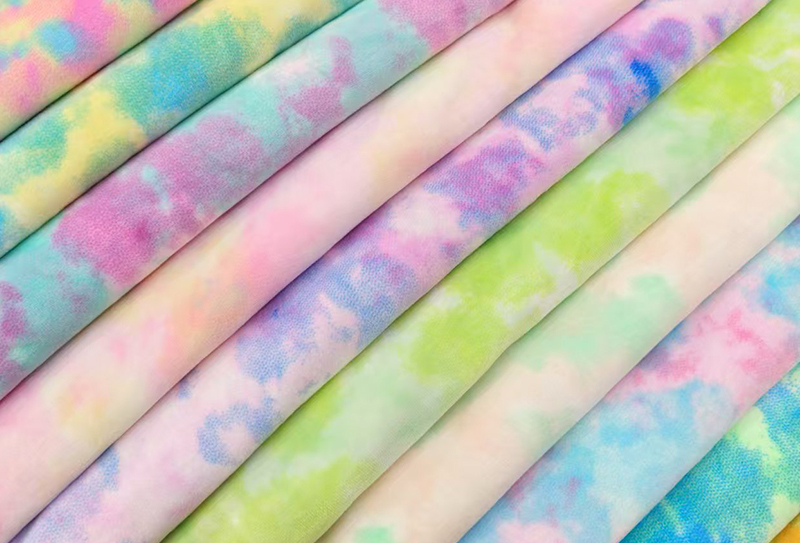
510g/170cm spandex ultra-soft short plush fabric adopts 95% polyester + 5% spandex blending process. The 300g/m weight and elastic fiber give the fabric excellent close-fitting comfort. The 170cm ultr...
See Details -
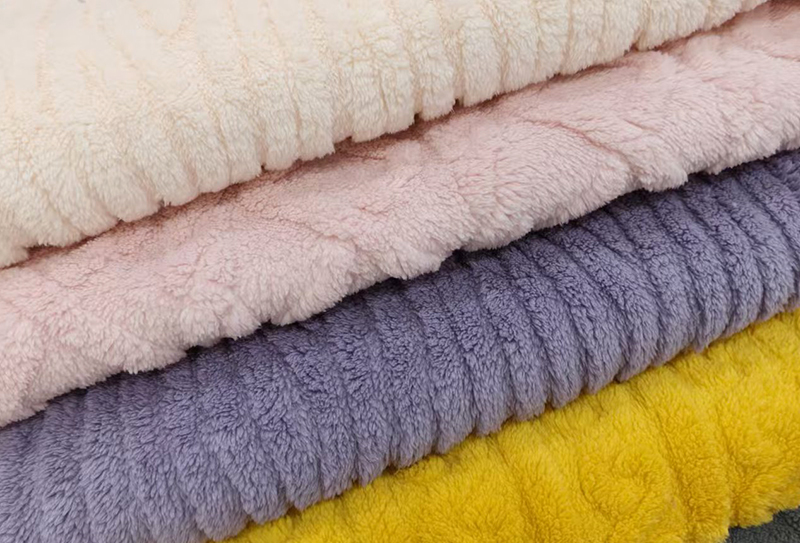
This 280gsm*185cm double-sided 3D jacquard comfortable cotton velvet fabric utilizes an innovative double-sided weaving process, creating distinct 3D jacquard patterns on both sides. The 280g/m weight...
See Details -
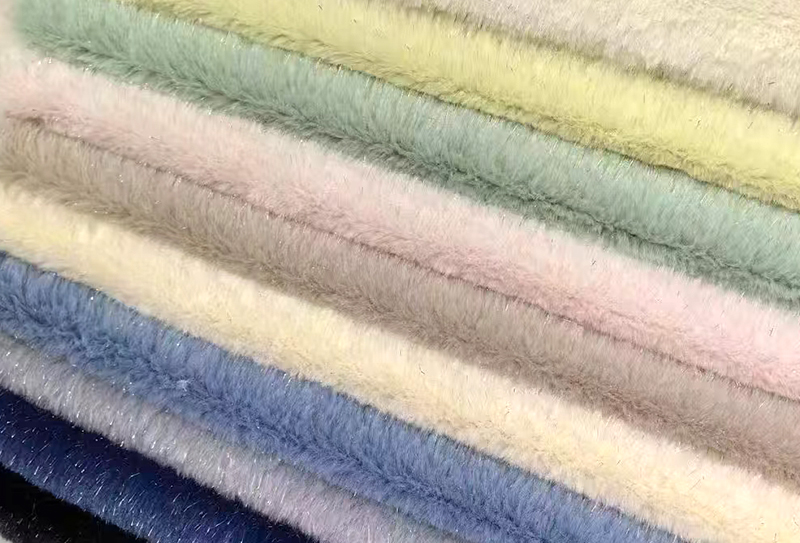
This 550g*160cm silver rabbit fur fabric combines the luster of silver thread with the softness and warmth of rabbit fur, offering both decorative and practical applications. It's suitable for clothin...
See Details -
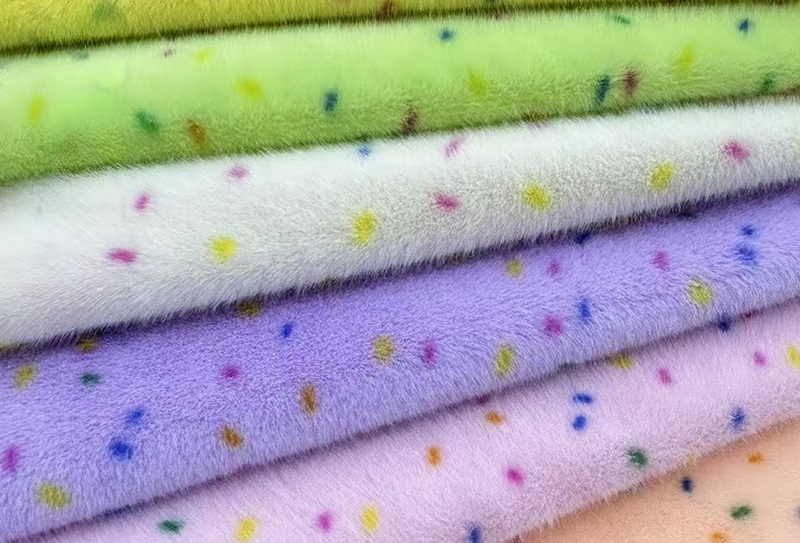
European mink print with colorful dots500 GSM160mm width100% polyesterStarting from 1 meter: 30 RMB/meter500 meters: 18 RMB/meterOver 1000 meters: 16 RMB/meterPrices are in RMB.The fabric features a c...
See Details -
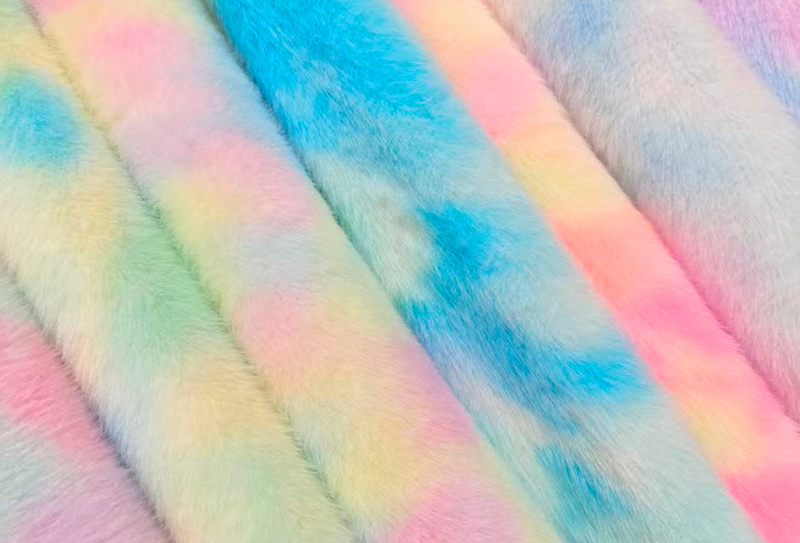
European mink print rainbow colors500 GSM160mm width100% polyesterStarting from 1 meter: 30 RMB/meter500 meters: 18 RMB/meterOver 1000 meters: 16 RMB/meterPrices are in RMB.This 500GSM European faux m...
See Details
Contact us
 1027, Floor 1, Zone 1, Beilian Market, China Textile City, Keqiao District, Shaoxing City, Zhejiang Province, China
 +86-159 8821 9333

Copyright © Shaoxing Wanyi Textile Co., Ltd. All Rights Reserved
Custom Soft Faux Fur Fabric, Sherpa Fleece Material Manufacturers
