
 English
 中文简体
中文简体This 290gsm*165cm Haipai velvet fabric is easy to care for and 30mm thick, making it suitable for clothing, toys, pet beds, blankets, and other decorative applications. Its excellent wear resistance a...
See DetailsEngineering Superior Durability: Why Some Soft Faux Fur Fabrics Resist Shedding
Content
- 1 Part 1: The Foundation – Fiber Polymer Science and Construction
- 2 Part 2: The Anchor – Backing Substrate and Coating Technology
- 3 Part 3: The Process – Tufting, Heat Setting, and Finishing
- 4 Part 4: Specification Checklist for B2B Buyers
- 5 FAQs: Technical Insights for Professionals
- 5.1 1. What is the single most important specification for shedding resistance?
- 5.2 2. Can a truly durable faux fur also be lightweight?
- 5.3 3. How does washability correlate with durability?
- 5.4 4. Why is there significant price variation in seemingly similar "luxury" faux fur?
- 5.5 5. For bulk projects, should I always choose the heaviest fabric?
For B2B buyers, designers, and manufacturers, selecting the right soft faux fur fabric is a critical decision that impacts product longevity, customer satisfaction, and brand reputation. Two fabrics may feel similarly plush, yet one succumbs to premature shedding and wear while the other maintains its luxurious pile for years. The divergence lies not in magic, but in materials science and advanced textile engineering. This article deconstructs the key factors—from polymer chemistry to backing technology—that determine durability and shedding resistance, providing a technical framework for specifying high-performance fabrics.
Part 1: The Foundation – Fiber Polymer Science and Construction
The journey to a durable fabric begins at the molecular level. The choice of fiber polymer and its physical construction sets the absolute ceiling for performance.
1.1 Fiber Polymer: Modified Acrylic vs. Standard Polyester
Not all synthetic fibers are created equal. While standard polyester is common, high-end luxury soft faux fur fabric predominantly utilizes modified acrylic polymers. The difference is profound:
- Modified Acrylic: Engineered to closely mimic the structure of natural wool. It features a protein-like conformation that provides a higher coefficient of friction, better moisture wicking, and significantly lower static charge generation. Reduced static is crucial; electrostatic repulsion is a primary driver of fiber release (shedding).
- Standard Polyester: While strong, it is inherently more hydrophobic and prone to static buildup. This can lead to fibers repelling each other and being attracted to other surfaces, accelerating shedding. Its crystal structure also differs, often resulting in a less natural, sometimes "plastic" hand feel.
According to the latest report by The International Fiber Journal, advanced acrylic variants with anti-static and anti-pilling modifiers saw a 35% increase in adoption for high-wear furnishing applications in 2024, driven by demand for longer-lasting textures.
Source: International Fiber Journal - 2024 Advanced Fibers for Furnishings Report
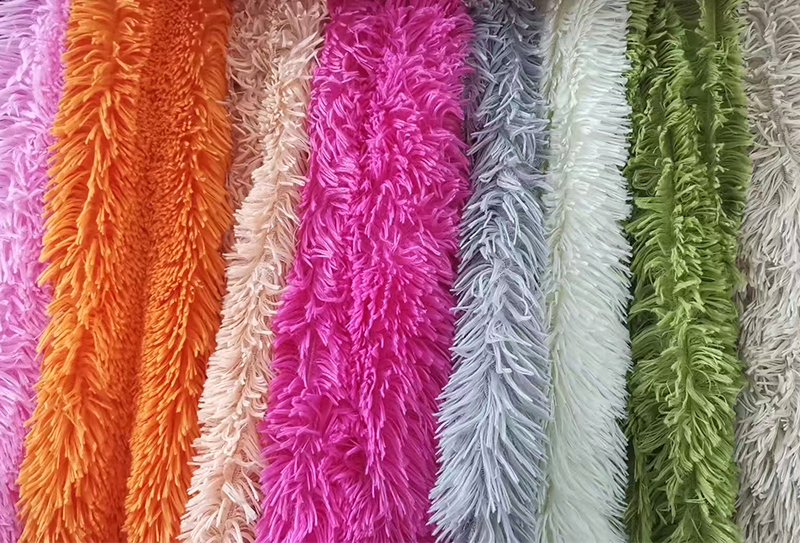
1.2 Denier, Filament Length, and Pile Density
These three metrics are interlinked and non-negotiable for durability.
- Denier: Refers to the linear mass density of the individual filaments. A higher denier indicates a thicker, stronger filament. For durable faux fur, a multi-denier blend is often used—a thicker denier for support fibers and a finer denier for softness.
- Filament Length (Pile Height): Longer fibers are more securely anchored in the backing. Critically, they have a greater surface area for mutual cohesion (via van der Waals forces and mechanical entanglement), reducing independent fiber movement and loss.
- Stitch Rate (Pile Density): Measured in stitches per inch (SPI) or tufts per unit area. A higher density means more fibers are anchored in a given area of backing, creating a supportive matrix. Low-density pile collapses easily, exposing roots to abrasion. This is especially vital for soft faux fur fabric for blankets and upholstery, which endure constant compression and friction.
A simple comparison of low vs. high-specification construction:
| Parameter | Lower Durability Construction | High Durability Construction |
| Primary Polymer | Standard PET Polyester | Modified / High-Performance Acrylic |
| Typical Pile Density | < 12,000 tufts/ft² | > 20,000 tufts/ft² |
| Key Limitation | Prone to static-driven shedding, faster wear in high-traffic areas. | Superior shedding resistance, maintains pile integrity under repeated compression. |
Part 2: The Anchor – Backing Substrate and Coating Technology
The backing is the load-bearing structure. Its integrity directly dictates how tenaciously it holds each tuft.
2.1 Woven vs. Knitted Backing: A Structural Analysis
The manufacturing method of the primary backing cloth is a fundamental differentiator.
- Woven Backing (Typically Polypropylene): Constructed by interlacing warp and weft yarns at right angles. This creates a dimensionally stable, low-stretch grid with high tensile strength. The uniform, tight grid offers superior resistance to tuft pull-out and backing deformation, especially for wider goods like soft faux fur fabric by the yard.
- Knitted Backing: Formed by interlocking loops. It is more flexible and stretchy, which can be beneficial for certain apparel applications. However, under load, the loops can distort, potentially relaxing the grip on tuft roots. It generally has lower tear strength compared to a woven equivalent weight.
A comparison of backing performance:
| Backing Type | Tensile Strength | Dimensional Stability | Tuft Lock Security | Best For |
| Woven | High | Excellent | Superior | Upholstery, blankets, high-wear applications. |
| Knitted | Moderate | Good (but stretchy) | Good | Apparel, items requiring high drape and flexibility. |
2.2 Coating & Lamination: The Essential Bonding Layer
The application of a secondary coating is what transforms a tufted fabric into a washable soft faux fur fabric. This layer seals the back, locking tufts in place.
- Latex vs. Polymer Dispersion Coatings: Traditional latex coatings provide a good initial bond but can degrade and become brittle with repeated washing or UV exposure. Advanced polymer dispersions (e.g., acrylic-based or polyurethane) offer enhanced flexibility, hydrolysis resistance, and adhesion longevity.
- Coating Weight and Penetration: The technical spec is grams per square meter (gsm) of coating. A sufficient coating weight must penetrate the backing to fully encapsulate the base of each tuft, forming a cohesive "plug." Inadequate penetration leaves tufts vulnerable.
- Flame Lamination (for Lined Fabrics): A process where a foam layer is melted onto the coated backing. It adds weight and warmth but requires precise control to avoid compromising the primary tuft lock coating.
Part 3: The Process – Tufting, Heat Setting, and Finishing
Precision engineering in manufacturing finalizes the fabric's shedding resistance and hand feel.
3.1 Precision Tufting and Needle Gauge
Modern high-precision tufting machines use a bank of needles with specific gauges (e.g., 1/10", 1/12"). A finer gauge allows for more tufts per inch, directly increasing pile density. The needle must be sharp and the timing perfect to cleanly penetrate the backing without damaging existing fibers or the backing yarns themselves, which can create weak points.
3.2 Critical Role of Heat Setting and Finishing
Post-tufting, the fabric undergoes vital finishing processes:
- Heat Setting (Thermofixation): The fabric passes through a high-temperature oven (often over 150°C). This process:
- Crystallizes the fiber polymers, stabilizing their shape and reducing future shrinkage.
- Sets the twist or crimp in the filament yarns, which is essential for achieving a uniform, resilient pile in lightweight soft faux fur fabric.
- Shearing and Brushing: The pile is precisely sheared to a uniform height. Subsequent brushing aligns the fibers, reduces loose ends, and encourages the development of a coherent, directional nap. This minimizes internal friction (a source of fiber breakage) and presents a uniform surface that sheds less.
The 2025 update to the ASTM D4151 standard for abrasion resistance of textile fabrics now includes a specific annex for pile fabrics, emphasizing the correlation between finishing consistency and abrasion/shedding test results. Consistency in shearing is directly linked to predictable performance.
Source: ASTM International - ASTM D4151 Standard Test Method for Abrasion Resistance of Textile Fabrics
Part 4: Specification Checklist for B2B Buyers
Move beyond subjective hand feel. Use this technical checklist to evaluate suppliers and specifications.
- Request Technical Data Sheets (TDS): Insist on data for fiber type (e.g., "modified acrylic, anti-static"), pile density (tufts/ft² or cm²), backing construction (woven/knitted, material, weight), and coating type/weight.
- Perform a Tactile Audit:
- Tuft Lock Test: Firmly grip a section of pile and attempt to pull fibers upward. Minimal fiber release indicates good anchorage.
- Backing Flex Test: Bend the fabric backing-side out. Observe if the coating cracks or if the backing shows signs of stress whitening, which can indicate brittle coating or low backing strength.
- Shearing Consistency: Examine the pile surface against the light. Inconsistent shearing appears as shadows or patches, indicating poor process control.
- Ask for Certifications & Test Reports: Request results for standardized tests like Martindale Abrasion (ASTM D4966), Wyzenbeek Abrasion (ASTM D4151), and colorfastness to washing (AATCC 61).
FAQs: Technical Insights for Professionals
1. What is the single most important specification for shedding resistance?
While interconnected, pile density (tufts per unit area) coupled with a high-penetration coating is often the primary determinant. High density reduces the load per tuft and provides mutual fiber support, while the coating physically locks each tuft root in place.
2. Can a truly durable faux fur also be lightweight?
Yes. Achieving a lightweight soft faux fur fabric with durability requires engineering trade-offs: using finer (but high-tenacity) denier fibers, a lighter yet stable woven backing, and a thinner but highly effective polymer dispersion coating. It is technically demanding but possible.
3. How does washability correlate with durability?
A fabric engineered to be washable soft faux fur fabric must have exceptional tuft lock and fiber stability. The coating must resist hydrolysis from detergents and warm water, and fibers must have low shrinkage and high colorfastness. Washability is a rigorous stress test and a hallmark of high-durability construction.
4. Why is there significant price variation in seemingly similar "luxury" faux fur?
The cost differential in luxury soft faux fur fabric reflects the raw material cost (modified acrylic vs. polyester), the higher weight/quality of backing and coating, and the slower production speeds of high-precision, high-density tufting and finishing. The investment is in unseen performance and longevity.
5. For bulk projects, should I always choose the heaviest fabric?
Not necessarily. Weight is a proxy, not a guarantee. Focus on the technical specifications rather than total grams per square meter (gsm). A well-constructed fabric with optimal density and a efficient coating may outperform a heavier, poorly constructed one. Always test for the specific application (e.g., abrasion for upholstery, drape for apparel).
Hot News
-
-
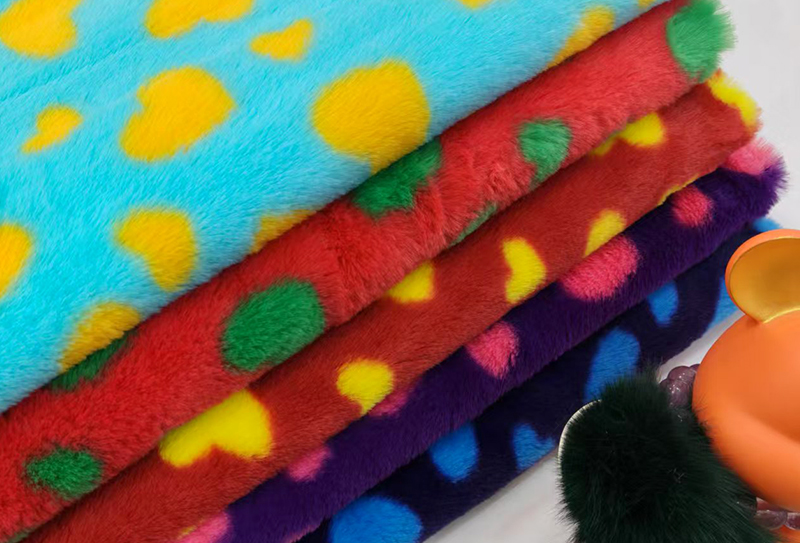
This 500mg x 160cm soft plush fabric with a heart print utilizes a printing process to create a clear, three-dimensional heart pattern on a 280g high-quality plush base fabric. The 500g/m lofty weight...
See Details -
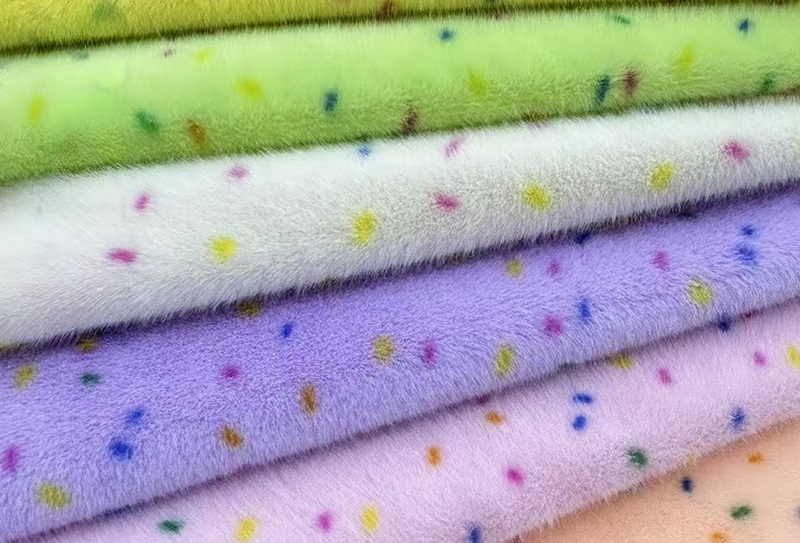
European mink print with colorful dots500 GSM160mm width100% polyesterStarting from 1 meter: 30 RMB/meter500 meters: 18 RMB/meterOver 1000 meters: 16 RMB/meterPrices are in RMB.The fabric features a c...
See Details -
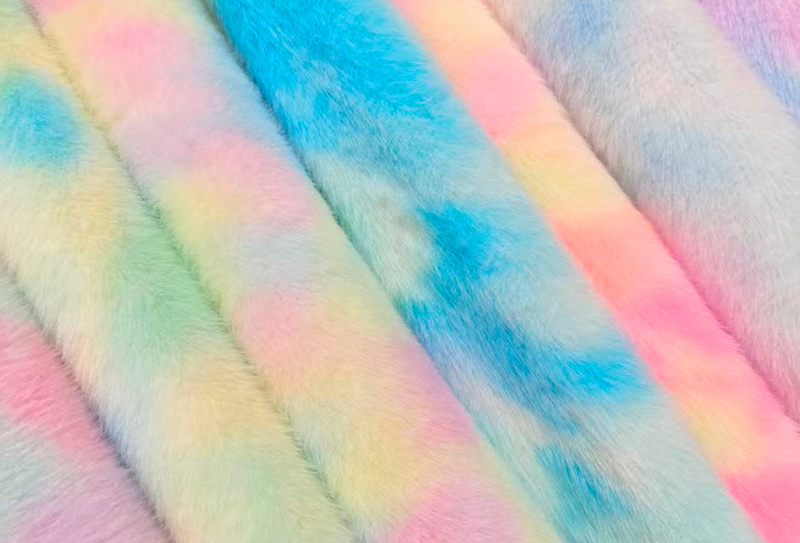
European mink print rainbow colors500 GSM160mm width100% polyesterStarting from 1 meter: 30 RMB/meter500 meters: 18 RMB/meterOver 1000 meters: 16 RMB/meterPrices are in RMB.This 500GSM European faux m...
See Details -
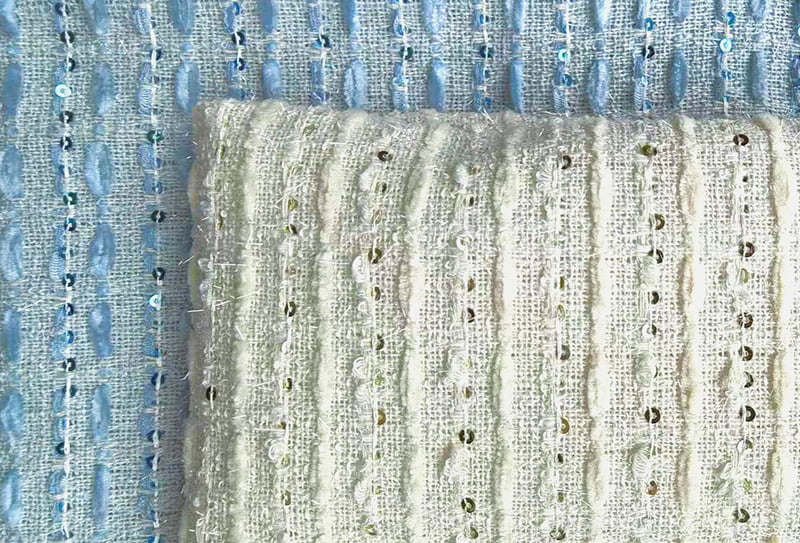
The 425g/148cm wrinkle-resistant and wear-resistant tweed fabric/Chanel-style woven fabric (item number 897331) adopts a composite weaving process of high-count blended yarn and precision sequins. The...
See Details -
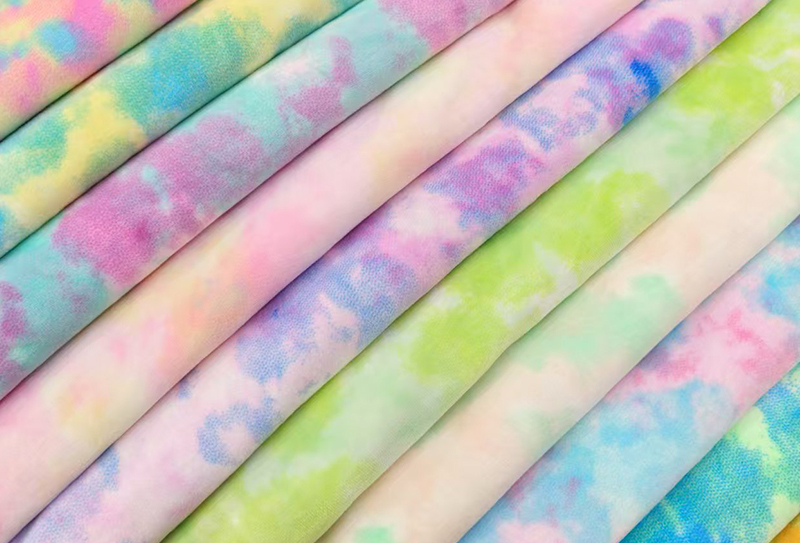
510g/170cm spandex ultra-soft short plush fabric adopts 95% polyester + 5% spandex blending process. The 300g/m weight and elastic fiber give the fabric excellent close-fitting comfort. The 170cm ultr...
See Details
Contact us
 1027, Floor 1, Zone 1, Beilian Market, China Textile City, Keqiao District, Shaoxing City, Zhejiang Province, China
 +86-159 8821 9333

Copyright © Shaoxing Wanyi Textile Co., Ltd. All Rights Reserved
Custom Soft Faux Fur Fabric, Sherpa Fleece Material Manufacturers
