
 English
 中文简体
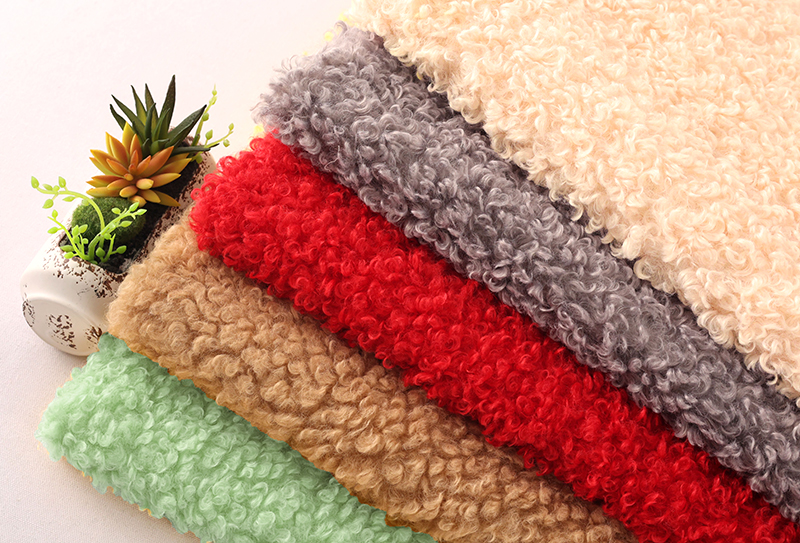
中文简体This 700mg*160cm Fair Isle cashmere curly grain fabric utilizes a modified Scottish Fair Isle weaving technique, achieving a three-dimensional curly grain texture through a special raising technique. ...
See DetailsWhat is Curly Particles Plush Fabric?
Content
- 1 Comparative Material Science: Evolution of Texture
- 2 Industrial Application Engineering for Apparel and Home Textiles
- 3 Quality Assurance: Mitigating Pilling and Shedding
- 4 Sustainable Development and Certification Compliance
- 5 Frequently Asked Questions (FAQ)
- 5.1 1. What is the primary functional difference between curly particles plush and standard faux fur?
- 5.2 2. How do you ensure color consistency across large production batches for B2B orders?
- 5.3 3. Is this fabric suitable for sensitive skin or baby products?
- 5.4 4. What is the recommended care protocol to maintain the fabric's unique texture?
- 5.5 5. Can the particle size, density (GSM), and composition be customized?
In the contemporary textile landscape, Curly Particles Plush Fabric represents a sophisticated fusion of aesthetic texture and high-performance thermal insulation. This engineered material, characterized by its distinctive granular surface formed from tightly curled synthetic fibers, has become a cornerstone for premium apparel and home textiles. As global demand for textured synthetic furs rises, it is essential for B2B buyers, designers, and manufacturers to understand its technical specifications, advantages, and applications. This engineering analysis provides a comprehensive perspective on this innovative fabric, exploring its material science, performance benchmarks, and suitability for various markets.
Comparative Material Science: Evolution of Texture
The mechanical structure of Curly Particles Plush Fabric offers distinct advantages over traditional pile fabrics. While standard Sherpa fleece relies on a uniform brushed surface, the comparison between soft curly particles plush fabric vs. traditional Sherpa fleece highlights superior resilience and air-trapping capabilities in the former. Specifically, the unique granular structure creates millions of microscopic air pockets within the curled fibers, enhancing thermal retention while maintaining high breathability—a critical factor for optimizing garment comfort and performance.
| Technical Metric | Traditional Sherpa Fleece | Soft curly particles plush fabric |
| Fiber Morphology | Linear, brushed vertical pile | Curled, spherical granular aggregates |
| Thermal Efficiency | Standard insulation | High (due to multi-dimensional air pockets) |
| Surface Recovery | Prone to matting over time | Excellent elasticity and texture retention |
Industrial Application Engineering for Apparel and Home Textiles
From a manufacturing standpoint, the application dictates the required technical specifications. For outerwear manufacturers, sourcing a high-density curly particles plush fabric for winter coat lining is paramount. This ensures the fabric maintains structural integrity during high-friction use, providing durable warmth without adding excessive bulk. The production process for such grades utilizes high-gauge circular knitting machines followed by precisely controlled heat-setting to lock the particles in place.
Beyond apparel, the fabric's versatility extends to interior design. Specifying washable curly particles plush fabric for home textile upholstery requires additional engineering. Unlike fashion-grade plush, upholstery-grade variants are treated with specialized anti-slip and low-shrinkage finishes on the backing to withstand the rigors of household maintenance, frequent cleaning, and prolonged use.
Standardization and Global Trends (2024-2025)
According to the latest report by the International Textile Manufacturers Federation (ITMF), the global textile industry is seeing a significant shift toward "textured functionality." Materials with three-dimensional surface structures, such as curly plush, are projected to see a compound annual growth rate (CAGR) of 5.8% through 2025. This trend is driven by converging consumer demand for tactile comfort and industrial requirements for high-durability, high-performance synthetic alternatives in both fashion and interior sectors.
Source: ITMF Global Textile Industry Statistics and Trends Report
Quality Assurance: Mitigating Pilling and Shedding
For B2B wholesalers and brands, surface degradation due to pilling and fiber shedding is a primary concern in plush fabric procurement. Professional anti-pilling curly particles plush fabric wholesale suppliers address this through specialized finishing processes. By treating the fiber ends with softening agents and employing precise vacuum shearing technology, the friction coefficient between particles is reduced, preventing the entanglement that leads to pilling and ensuring a consistently premium surface appearance throughout the product's lifespan.
| Quality Metric | Standard Market Grade | Professional Engineering Grade |
| Pilling Rating (ISO 12945-2) | Grade 2-3 | Grade 4 or higher |
| Shedding Rate | < 5% after initial wash | < 1.5% through optimized finishing |
| Color Fastness to Washing | Grade 3 | Grade 4-5 (using high-affinity dyestuffs) |
Sustainable Development and Certification Compliance
The transition toward circular textile production is now a critical market expectation. Sourcing eco-friendly curly particles plush fabric with GRS certification has become a standard requirement for accessing the European and North American markets. According to the Textile Exchange’s 2024 Preferred Fiber & Materials Market Report, the use of recycled polyester (rPET) in plush and fleece fabrics increased by 12% year-over-year, reflecting a decisive industry shift toward sustainable material sourcing.
Source: Textile Exchange Preferred Fiber & Materials Market Report
- Resource Efficiency: Implementation of water-recycling and heat-recovery systems in dyeing and finishing processes.
- Material Innovation: Development of bio-based and recycled fiber content options to reduce environmental footprint.
- Safety & Compliance: Adherence to international standards such as Oeko-Tex Standard 100, REACH, and CPSIA for global distribution.
Frequently Asked Questions (FAQ)
1. What is the primary functional difference between curly particles plush and standard faux fur?
While both offer a plush texture, their performance differs. Faux fur typically features a long, directional pile that mimics animal fur. Curly Particles Plush Fabric utilizes a mechanical curling process to create a dense, non-directional granular surface. This structure offers superior insulation through trapped air, better compression recovery, and a more uniform appearance that is less prone to showing wear patterns, making it ideal for high-contact applications like coat linings and upholstery.
2. How do you ensure color consistency across large production batches for B2B orders?
Maintaining color consistency requires a controlled, integrated supply chain. Reputable manufacturers employ computerized color matching systems and maintain strict batch control protocols from raw polymer through to dyeing and finishing. This includes using standardized dyestuffs from certified suppliers, controlled dyeing parameters, and spectrophotometer testing of every production lot against approved master standards to ensure deviations are within commercially acceptable tolerances (typically Delta-E < 1.0).
3. Is this fabric suitable for sensitive skin or baby products?
Yes, when manufactured to appropriate safety standards. Specifying fabrics certified to Oeko-Tex Standard 100, Class I ensures they have been tested and verified to be free from harmful levels of regulated substances and are safe for baby skin. For such applications, it is crucial to partner with suppliers who can provide valid certification documents and use skin-friendly, low-irritant fiber finishes.
4. What is the recommended care protocol to maintain the fabric's unique texture?
To preserve the "particle" shape and overall fabric integrity, gentle care is advised. We recommend machine washing in cold water on a gentle cycle with mild detergents, avoiding bleach or fabric softeners. Tumble drying on a low-heat or air-fluff setting is preferable, followed by prompt removal to prevent heat-induced fiber fusion. High-heat ironing should be avoided.
5. Can the particle size, density (GSM), and composition be customized?
Absolutely. A key advantage of working with specialized manufacturers is the ability to customize technical parameters. This includes adjusting the fiber curl tightness and length to change the particle size and hand-feel, modifying the base knit density and pile height to achieve a specific grams per square meter (GSM), and tailoring the fiber composition—such as incorporating recycled content, antimicrobial agents, or flame-retardant fibers—to meet precise performance requirements and compliance needs for target markets.
Hot News
-
-
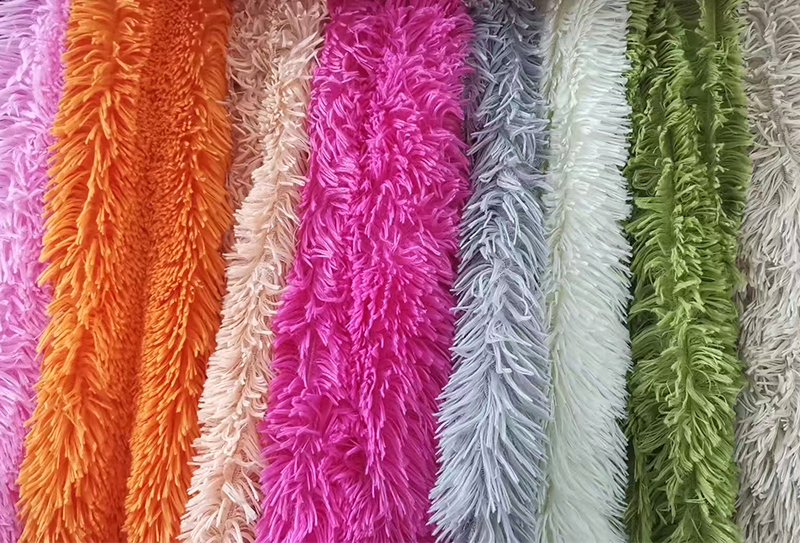
This 290gsm*165cm Haipai velvet fabric is easy to care for and 30mm thick, making it suitable for clothing, toys, pet beds, blankets, and other decorative applications. Its excellent wear resistance a...
See Details -
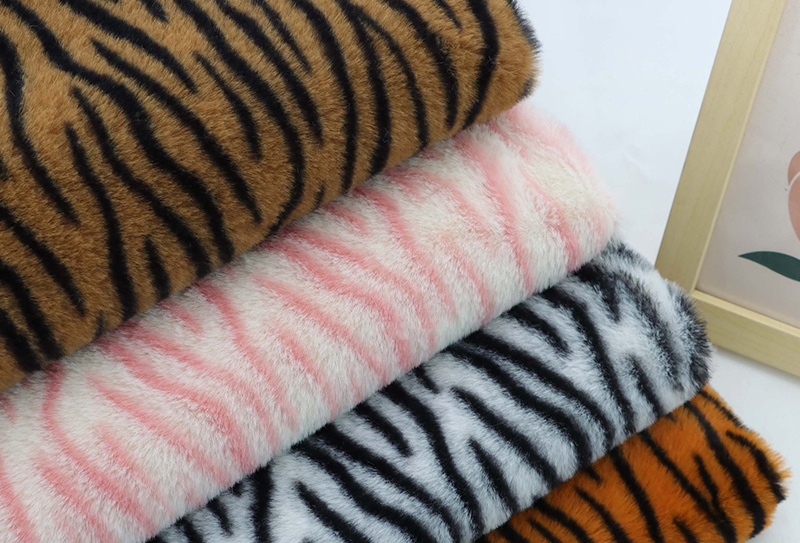
500g/160cm tiger-print rabbit fur print plush fabric uses printing technology to realistically present the wild stripes of tiger stripes on a high-quality imitation rabbit fur base fabric. The medium-...
See Details -
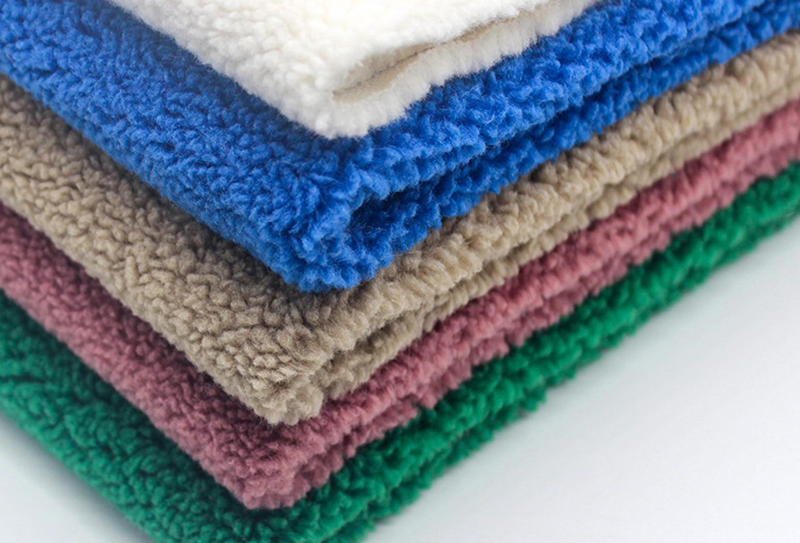
This 750mg*160cm wheat-ear grain plush fabric uses a dyeing process to create a natural, smooth, three-dimensional grain texture resembling wheat ears. The medium-heavy weight of 750g/m2 imparts the f...
See Details -
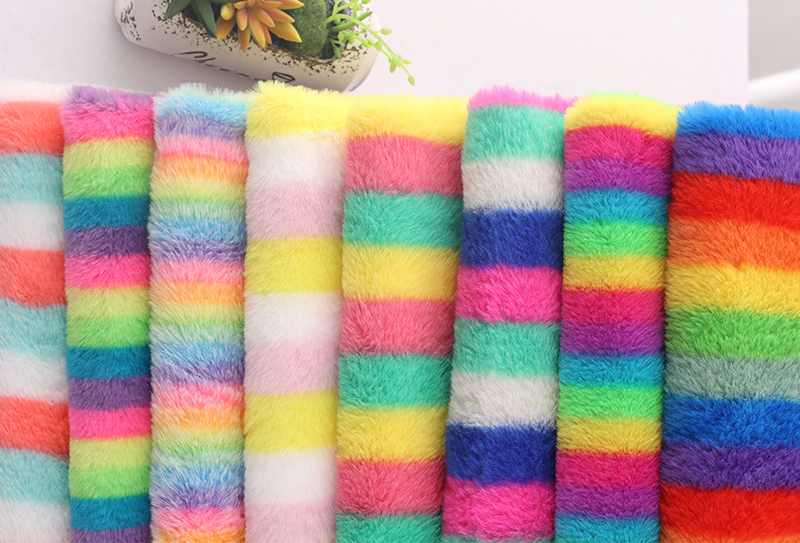
This 500mg*160cm colorful striped rabbit fur print plush fabric features a vibrant, colorful striped pattern on the imitation rabbit fur surface. Its moderate weight of 500g/m2 ensures softness and vo...
See Details -
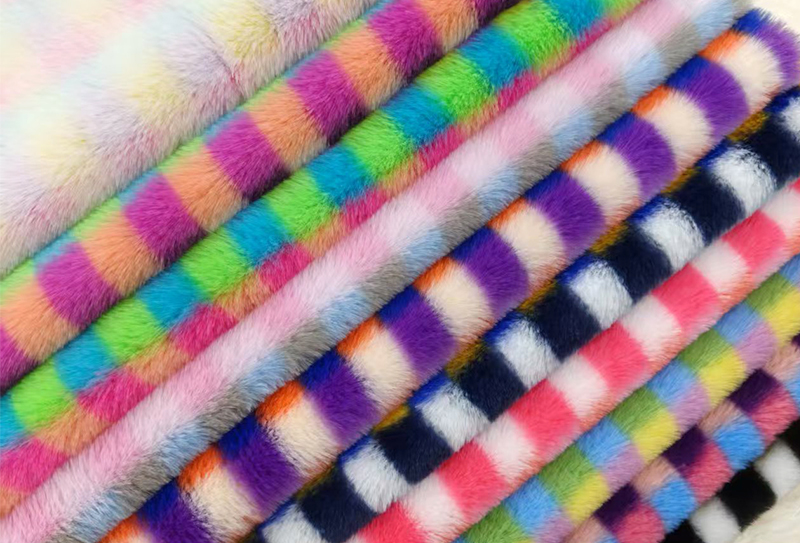
This 500mg*160cm checkered rabbit fur print plush fabric utilizes printing technology to create a clear, rich checkered pattern on the imitation rabbit fur surface. The medium weight of 500g/m ensures...
See Details
Contact us
 1027, Floor 1, Zone 1, Beilian Market, China Textile City, Keqiao District, Shaoxing City, Zhejiang Province, China
 +86-159 8821 9333

Copyright © Shaoxing Wanyi Textile Co., Ltd. All Rights Reserved
Custom Soft Faux Fur Fabric, Sherpa Fleece Material Manufacturers
