
 English
 中文简体
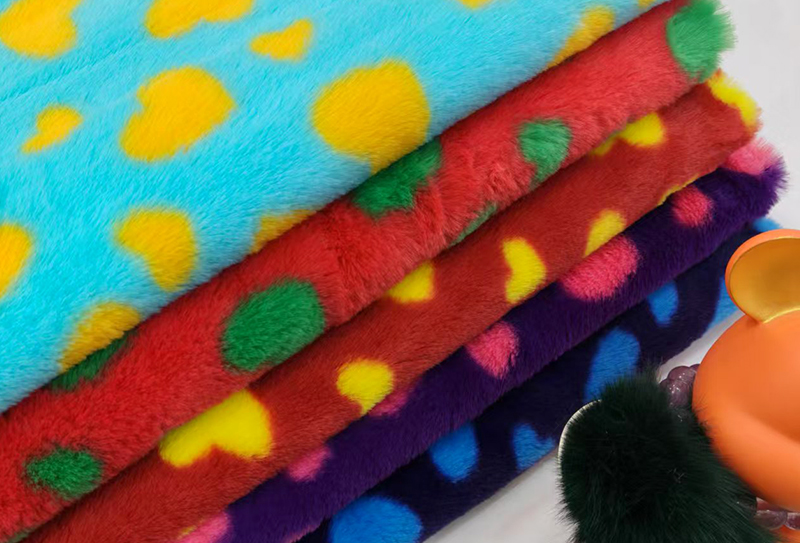
中文简体This 500mg x 160cm soft plush fabric with a heart print utilizes a printing process to create a clear, three-dimensional heart pattern on a 280g high-quality plush base fabric. The 500g/m lofty weight...
See DetailsEngineering the Dual-Fiber Biomimicry of High-End Fake Fox Pelt
Content
Structural Analysis of Synthetic Guard Hairs and Underwool
* The Mechanics of Multi-Denier Fiber Blending: A high-fidelity fake fox pelt achieves realism through a dual-fiber architecture. Engineers utilize high-denier (7D - 12D) tapered filaments to replicate "guard hairs" (needle hairs) and low-denier (1.5D - 3.0D) micro-fibers for the dense "underwool" layer. This dual-fiber structure in luxury faux fur is critical for achieving the irregular, non-linear light refraction seen in biological pelts. By optimizing guard hair stiffness in fake fox pelt, the fibers maintain an upright posture, preventing the "collapsed" look common in low-end synthetics.
* Modacrylic vs Polyester Performance: In the fake fox pelt manufacturing process, the ratio of modacrylic to polyester fibers determines both tactile softness and safety. Modacrylic fibers are favored for their flame-retardant properties (compliant with ISO 12127) and their ability to be heat-set into complex shapes. Comparing modacrylic vs polyester for high-end faux fur, modacrylic provides a superior "hand" that mimics the protein-based scales of real fox hair, whereas polyester provides the tensile strength required for the base knit.
* Pile Height and Volumetric Density: The standard pile height for luxury fake fox pelt typically ranges from 45mm to 90mm. Achieving high GSM vs low GSM fake fox pelt durability requires a base fabric density of 900 to 1400 grams per square meter. This ensures the dimensional stability of faux fur backing, which is essential for preventing "grinning" in long-pile faux fur where the knit structure might otherwise become visible through the fibers.
Advanced Finishing and Chromatic Layering Techniques
* Tip-Dyeing and Discharge Printing Processes: To avoid a monochromatic "plastic" appearance, a premium fake fox pelt undergoes multi-stage tip-dyeing for authentic fox fur aesthetics. This involves applying darker pigments to the tips of the guard hairs while maintaining a lighter shade at the root. Advanced discharge printing on synthetic fur allows for the creation of "silver fox" or "cross fox" patterns with high color fastness (Grade 4-5 on the ISO 105-B02 scale).
* Ra Surface Finish and Friction Reduction: The Ra surface finish of synthetic fur filaments is modified using silicone-based lubricants. This anti-static treatment for polyester and modacrylic fur reduces inter-fiber friction, which is the best way to prevent matting in long-pile faux fur during repetitive mechanical abrasion.
* Thermal Memory and Pile Recovery: High-end fake fox pelt is engineered with "thermal memory." During the steam finishing of faux fox fur, fibers are oriented and set. This enhances pile recovery after compression in logistics, allowing the pelt to regain its original loft and volume once unpacked from high-density shipping containers. [Image demonstrating the cross-section of guard hairs and underwool in synthetic pelts]
Durability Validation and Material Longevity Standards
The following table outlines the technical divergence between standard craft fur and an engineered, high-performance fake fox pelt.
| Technical Metric | Standard Craft Fur | High-End Engineered Fake Fox Pelt |
| Fiber Type | 100% Polyester | 80% Modacrylic / 20% Polyester Blend |
| Fiber Structure | Single Denier (Uniform) | Dual-Fiber (Guard Hair + Underwool) |
| Color Process | Solution Dyed (Solid) | Multi-Tone Tip-Dyeing / Discharge Print |
| Shedding Resistance | Low (Basic Backing) | High (Polymer Reinforced Backing) |
| Flame Retardancy | None / Requires Coating | Inherent (Modacrylic Compliance) |
Quality Control and Compliance for Global Procurement
* Shedding Resistance and Anchor Integrity: Preventing shedding in long-pile fake fox pelt requires a secondary back-coating of acrylic resin. This stabilizes the loops of the knit, ensuring high fiber anchorage strength in synthetic fur. This is a vital technical indicator for fake fox pelt destined for high-end outerwear where durability is as important as aesthetics.
* Eco-Toxicological and Ethical Compliance: Procurement of fake fox pelt for the global market necessitates compliance with REACH and OEKO-TEX Standard 100. Ensuring the absence of harmful azo dyes in synthetic pelts is a mandatory requirement for sustainable and cruelty-free fashion supply chains.
Technical FAQ
1. Why is modacrylic essential for a luxury fake fox pelt?
Modacrylic fibers offer a unique thermal memory and soft texture that 100% polyester cannot match. It also provides inherent flame retardancy, which is a critical technical indicator for fake fox pelt safety in commercial apparel.
2. How does GSM affect the "realism" of the pelt? A higher GSM vs low GSM fake fox pelt provides the necessary density to support long guard hairs. Without high volumetric density, the fake fox pelt will "split," revealing the backing fabric and destroying the visual illusion of a continuous skin.
3. What is the best way to restore the loft after shipping?
The best way to restore faux fur loft is through light steaming (below 60 Celsius) and mechanical brushing. This utilizes the fiber's thermal memory to enhance pile recovery after compression.
4. Is fake fox pelt more durable than real fox fur?
In terms of biological degradation and moth resistance, yes. A fake fox pelt is immune to organic decay. However, it requires specific anti-static treatments to prevent environmental dust attraction over long-term use.
5. Can this fabric be laser cut for high-precision garment design?
Yes. Because of the dimensional stability of faux fur backing, fake fox pelt can be laser cut. The heat from the laser often cauterizes the edge, preventing pile loss in synthetic fur garments during the assembly process.
Technical References
* ISO 12127-1: Clothing for protection against heat and flame.
* ASTM D1335: Standard Test Method for Tuft Bind of Pile Floor Coverings.
* ISO 105-B02: Textiles - Tests for color fastness to artificial light.
Hot News
-
-
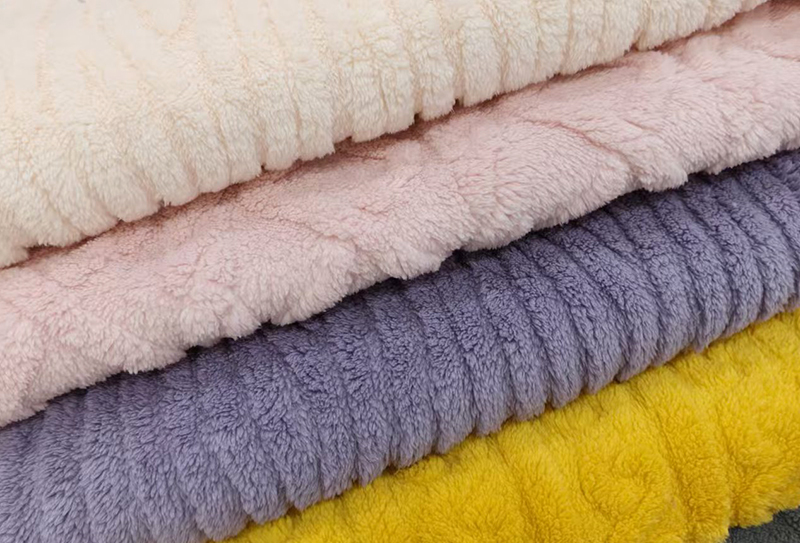
This 280gsm*185cm double-sided 3D jacquard comfortable cotton velvet fabric utilizes an innovative double-sided weaving process, creating distinct 3D jacquard patterns on both sides. The 280g/m weight...
See Details -
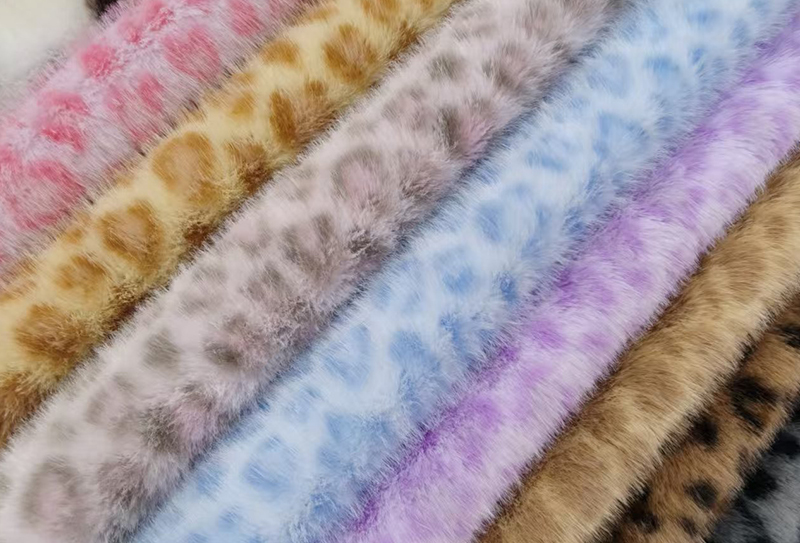
The 700g/170cm mink print leopard plush fabric uses an innovative printing process to create a wild leopard pattern on a mink-like base fabric through high-definition digital printing. The high weight...
See Details -
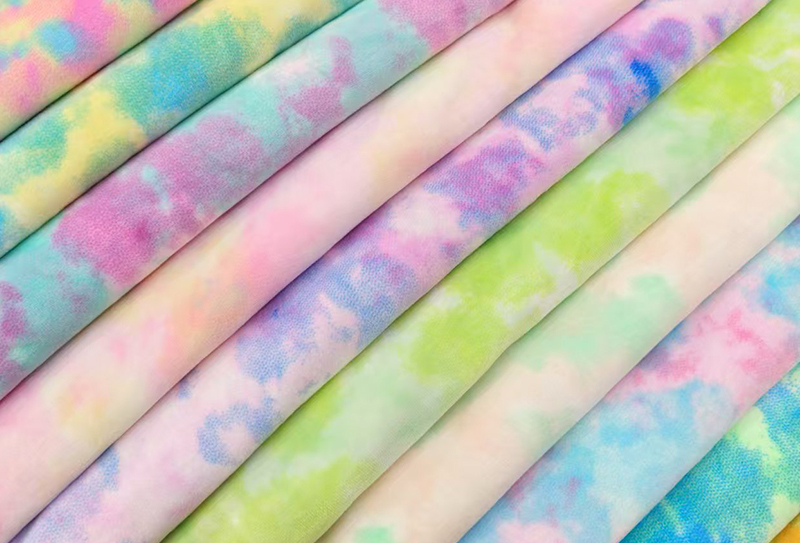
510g/170cm spandex ultra-soft short plush fabric adopts 95% polyester + 5% spandex blending process. The 300g/m weight and elastic fiber give the fabric excellent close-fitting comfort. The 170cm ultr...
See Details -
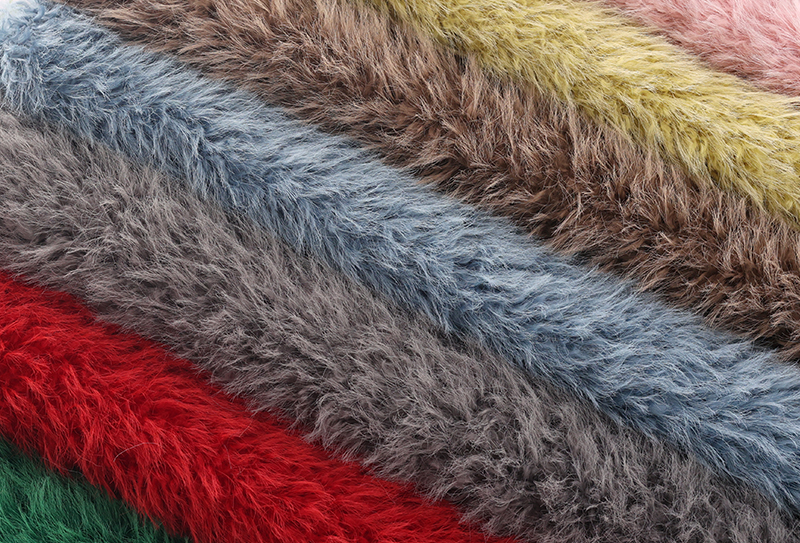
This 700g x 160cm Guifei Toka imitation fox fur fabric utilizes biomimetic fiber technology to mimic the fluffiness and smoothness of real fox fur. The medium weight of 700g/cm creates a fluffy feel w...
See Details -
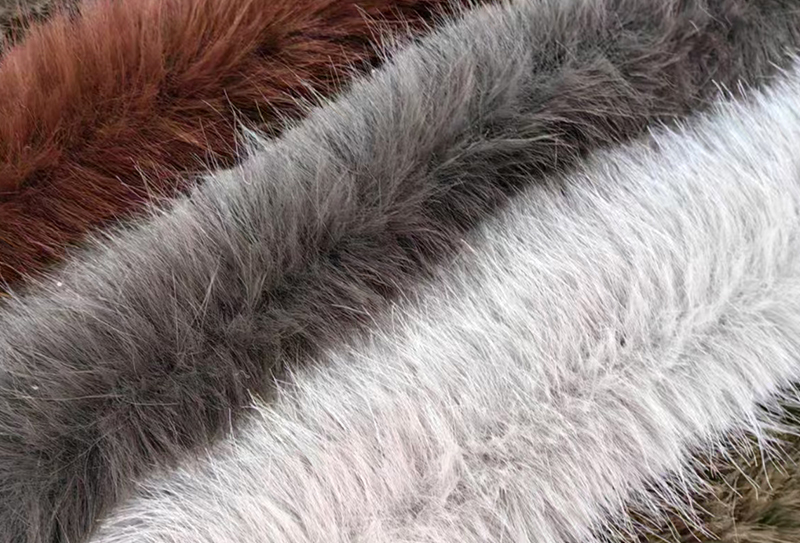
This 1100mg*185cm fox fur plush fabric utilizes a bionic short-pile process, with a down length of 5-8mm, creating a delicate, fox-like feel. The high 1100g/cm weight imparts excellent loft and warmth...
See Details
Contact us
 1027, Floor 1, Zone 1, Beilian Market, China Textile City, Keqiao District, Shaoxing City, Zhejiang Province, China
 +86-159 8821 9333

Copyright © Shaoxing Wanyi Textile Co., Ltd. All Rights Reserved
Custom Soft Faux Fur Fabric, Sherpa Fleece Material Manufacturers
