
 English
 中文简体
中文简体The 425g/148cm wrinkle-resistant and wear-resistant tweed fabric/Chanel-style woven fabric (item number 897331) adopts a composite weaving process of high-count blended yarn and precision sequins. The...
See DetailsFaux Fox Fur vs Faux Mink Fur: Comparing Pile Length, Softness, and Garment Use
Content
When designers weigh faux fox fur vs faux mink fur, the decision usually comes down to three practical qualities: pile length, softness, and how the fabric behaves in a finished garment. Both materials deliver the look and feel of luxury fur without the ethical and environmental concerns of animal pelts, but they create very different visual and tactile results. Understanding those differences is the key to choosing the right plush fabric for a coat, a collar, a handbag, or a plush toy.
Understanding Faux Fox Fur and Faux Mink Fur
Faux fox fur is engineered to reproduce the long, flowing, slightly coarse appearance of fox pelts. It has a longer pile with visible guard hairs that create movement and volume, supported by a softer underlayer. Faux mink fur, on the other hand, mimics the short, dense, glossy coat of a mink. Its pile sits low and tight, producing a smooth, satin-like surface that reflects light evenly.
Both fabric families are usually knitted or woven from polyester or acrylic yarns. The backing construction, pile density, and fiber finish determine how closely they approximate the natural materials. A well-made faux fox fur feels springy and lively, while a quality faux mink fur feels compact, plush, and almost velvety.
Pile Length: The Most Visible Difference
The clearest contrast between faux fox fur and faux mink fur is pile length. Pile length controls not only the appearance of the fabric, but also how it drapes, how it sews, and how it feels against the skin.
Faux fox fur pile characteristics
Faux fox fur generally has a pile length of 30 to 80 mm, and some statement styles reach even longer. Long pile creates the dramatic, windswept silhouette that defines luxury outerwear and trims. It also gives the fabric more loft, so full-volume garments feel lighter than they look. The trade-off is bulk: long pile needs more careful cutting, seam finishing, and lining support.
Faux mink fur pile characteristics
Faux mink fur has a much shorter pile, typically 8 to 20 mm. Short pile produces a flat, dense surface that drapes close to the body and holds crisp tailoring lines. This is why faux mink is the preferred choice for fitted jackets, vests, and structured accessories.
| Property | Faux Fox Fur | Faux Mink Fur |
|---|---|---|
| Typical pile length | 30 to 80 mm | 8 to 20 mm |
| Surface profile | Flowing and uneven | Flat and even |
| Pile density | Looser and airier | Dense and compact |
| Drape behavior | Full and voluminous | Smooth and structured |
| Weight feel | Lighter for its bulk | Heavier per unit area |
| Best applications | Statement coats and trims | Tailored garments and accessories |
When a design calls for maximum volume and a dramatic silhouette, long-pile faux fox is the obvious option. You can compare weight, width, and pile style across the faux fox fur fabric collection to find a specification that matches your pattern.
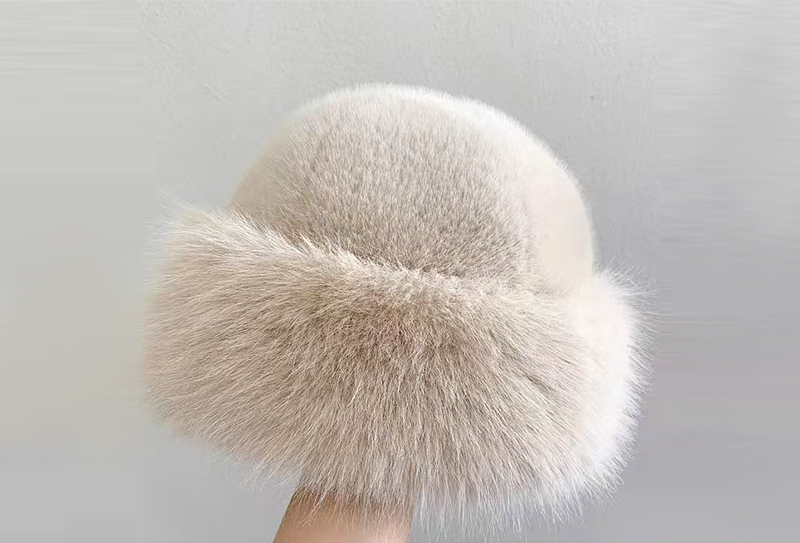 Long-Pile Small Fox Fur Plush Fabric, 1100g, 185cm WideThis bionic short-pile faux fox fabric offers a delicate texture and high loft, with an extra-wide width suited for bulk production of plush toys, blankets, and apparel accessories.View Product →
Softness and Hand Feel Compared
Softness is subjective, but there is a clear technical pattern behind how each fabric feels.
Faux mink fur feels softer on the first touch. Its dense, short pile is made from fine, low-denier fibers that bend easily, creating a silky, strokable surface. Because the pile is short and tight, the fabric also feels smooth when brushed against the skin, which makes faux mink a popular choice for scarves, hats, and hood linings.
Faux fox fur offers a different kind of softness. The long guard hairs have more body, so the surface feels fluffier and springier. Run a hand over the pile and it parts and bounces back, delivering a lively, tactile experience. Many faux fox styles combine a soft underlayer with slightly firmer guard hairs to imitate the natural two-layer structure of real fox fur.
If the priority is a sumptuous, close-to-skin feel, faux mink usually wins. If the goal is plush volume with a resilient touch, faux fox is the stronger match. Dense short-pile construction also gives faux mink better resistance to matting over time.
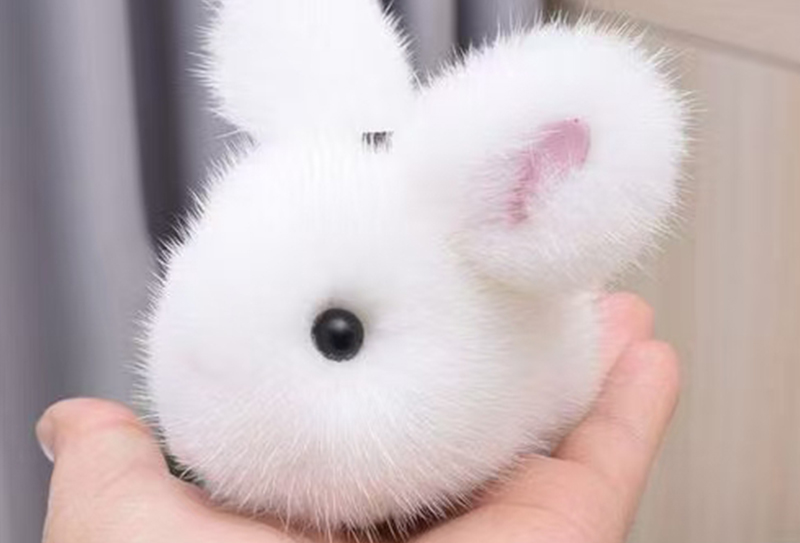 Platinum Mink Imitation Fur Fabric, 800g, 185cm, for Plush ToysReaching a soft, natural sheen and dense short pile, this anti-linting mink-style fabric resists matting and deformation, making it a reliable choice for durable plush toys.View Product →
Mink-style textures are available in several weights and widths, making it easier to match the fabric to a specific garment pattern.
Appearance, Luster, and Color Development
Pile structure also drives the way each fur accepts color and reflects light.
Faux mink fur has a natural gloss because short, parallel fibers reflect light evenly. This smooth surface is an excellent base for printing. Leopard, zebra, tie-dye, and rainbow effects are common on faux mink, and the pattern stays sharp across the dense pile.
Faux fox fur is prized for tonal depth. Long fibers can be dyed with two-tone cationic processes, tipped with contrasting colors, or printed in gradients that imitate arctic and cross fox pelts. The uneven pile creates a multi-dimensional shimmer that changes as the garment moves.
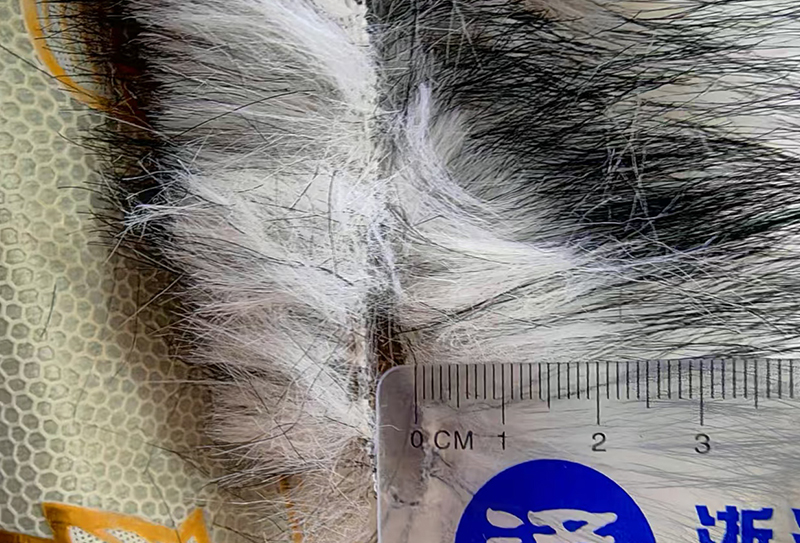 Gradient Dyed-Tip Fox Fur Plush Fabric, 850g, 185cmThis tip-dyed faux fox fur creates a natural color transition and multidimensional shimmer, ideal for statement collars, cushions, or high-end plush toys requiring dramatic tonal depth.View Product →
For garments where color storytelling matters, such as ombre coats or dyed-tip collars, faux fox delivers drama. For crisp prints and consistent solid shades, faux mink is the more reliable surface.
Garment Application: Matching Fur to Design
The final step is matching the fur type to the end product. Different applications demand different pile behavior.
| Application | Faux Fox Fur | Faux Mink Fur |
|---|---|---|
| Outer coats | Statement full-length pieces | Tailored fitted styles |
| Jackets and blazers | Trim and collars | Primary shell fabric |
| Collars and cuffs | Excellent | Good |
| Hats and hoods | Parka hood trims | Structured hats |
| Handbags and accessories | Decorative trim | Shell and lining |
| Plush toys | Occasional use | Frequent use |
Faux fox fur is ideal for pieces where volume is the design statement. A long-pile fox collar can transform a simple wool coat into a luxury winter piece, and parka hoods trimmed with fox fur add a classic cold-weather look.
Faux mink fur is the workhorse of tailored faux fur. Its stable backing and short pile make it easy to cut, seam, and line, which is why it appears so often in vests, boleros, and handbags. Designers who need dense, print-friendly material can review the faux mink fur fabric series for specifications that suit production runs.
How to Choose the Right Faux Fur Fabric
If you are still deciding between the two, work through these practical questions.
- Define the silhouette first. Loose, voluminous designs favor faux fox; fitted, structured designs favor faux mink.
- Consider the season. Faux fox has an open pile with better air circulation, while dense faux mink traps heat and blocks wind.
- Evaluate maintenance. Short-pile faux mink is easier to clean and less likely to flatten; long-pile faux fox needs more careful handling.
- Check weight and backing. Heavier fabrics require stronger linings and adjustments to the sewing pattern.
- Order samples before bulk purchase. Test drape, color accuracy, and hand feel against your specific garment.
A practical rule of thumb: if the design asks for volume, choose faux fox; if it asks for clean tailoring, choose faux mink.
A reliable supplier records key specifications, including weight, width, and pile type, so you can compare options with confidence. Consistent quality control between dye lots matters just as much as the initial sample.
Frequently Asked Questions
Q1: Which is warmer, faux fox fur or faux mink fur?
Faux mink fur generally feels warmer because its dense, short pile traps air close to the body and blocks wind. Faux fox fur is better suited to fashion-focused pieces where volume matters more than insulation.
Q2: Can faux mink fur be used for plush toys?
Yes. Dense short-pile fabrics are durable and easy to stitch, which is why many faux mink styles are specified for plush toys and cushions.
Q3: How should faux fur garments be cared for?
Most polyester-based faux furs can be machine washed on a gentle cycle in cold water and air dried. Always test a small sample first and avoid high heat.
Q4: Which type is more durable?
Short-pile faux mink resists matting and abrasion better than long-pile faux fox. Faux fox is more prone to flattening in high-friction areas such as cuffs and elbows.
Both faux fox fur and faux mink fur deserve a place in the modern design studio. The right choice depends on the garment, the customer, and the production process. Start with the silhouette, test the hand feel, and verify pile behavior before ordering bulk fabric. With the correct specification, either material can deliver the luxury look your project needs at a responsible price.
Hot News
-
-
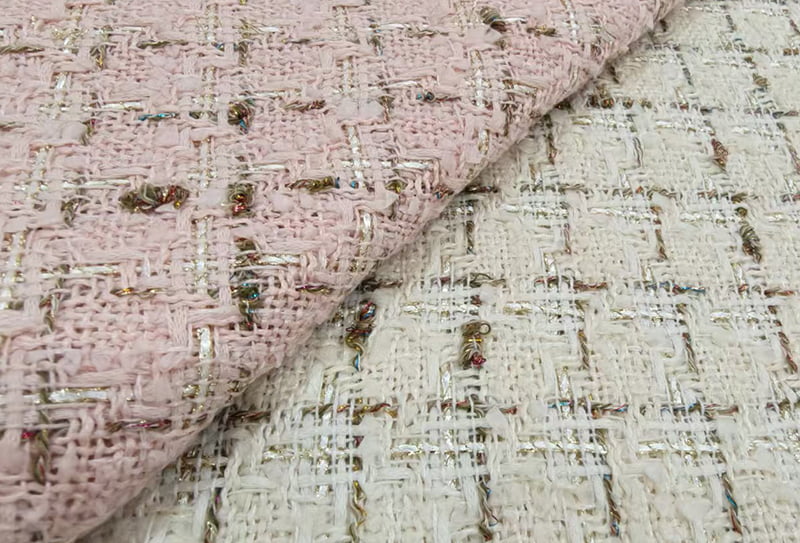
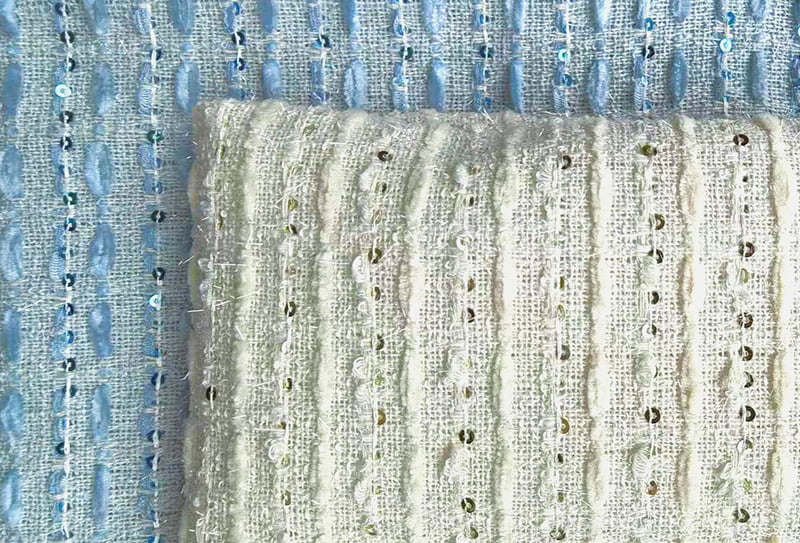
The 500g/148cm tweed fabric/Chanel-inspired fabric (Item No. LS834322) is precision-woven from high-count blended yarns. Its medium-heavy weight of 500g/m imparts excellent stiffness and warmth. Its 1...
See Details -
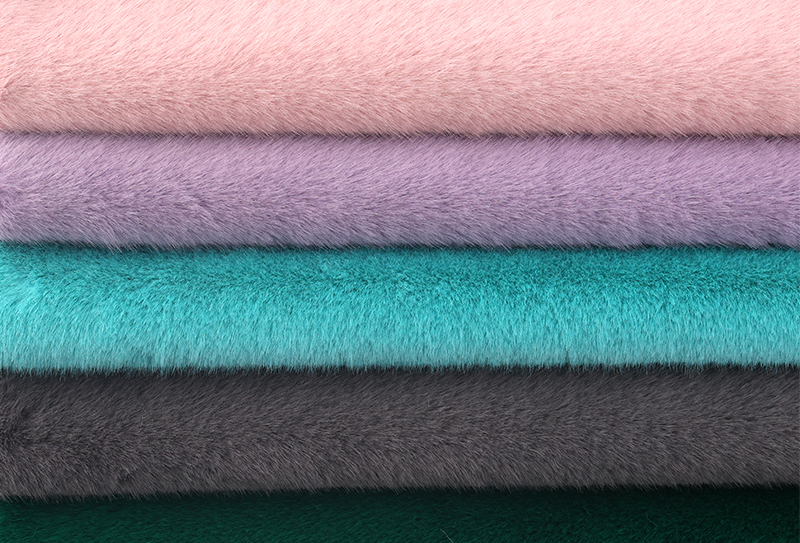
850mg*180cm Xiaomi Mink Faux Mink Fur Fabric is primarily blended with polyester, polyester, and other chemical fibers. It features a lustrous color, smooth feel, and a soft, warm feel, making it an i...
See Details -
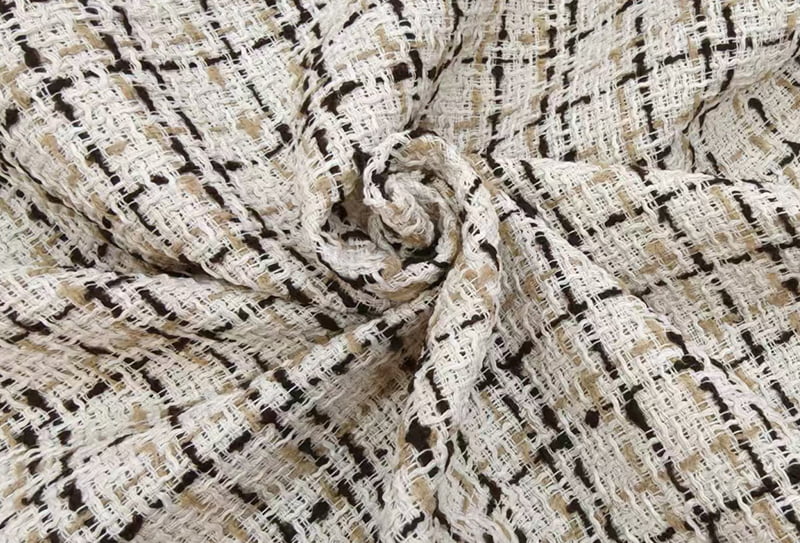
This 450g/148cm tweed fabric (item number LS540412) utilizes a high-density weave. Its 450g/m² weight imparts just the right amount of stiffness and flexibility, while its 148cm width is optimized for...
See Details -
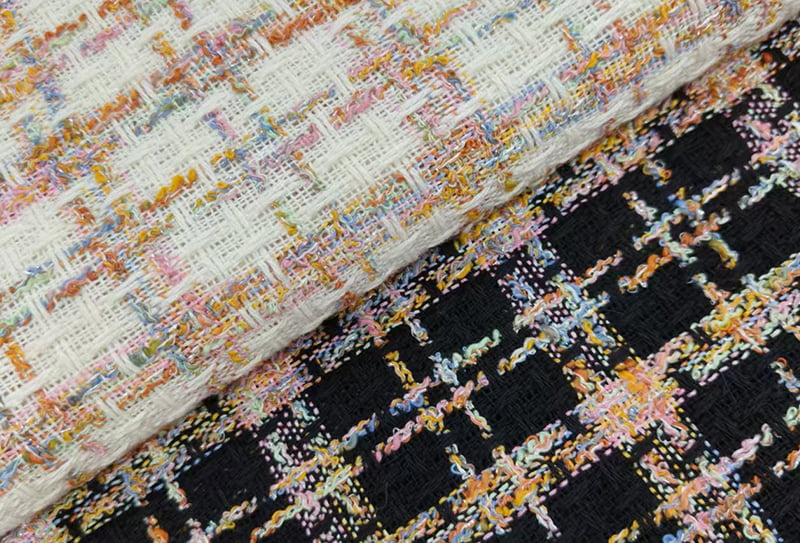
This 500g/148cm tweed fabric/Chanel-inspired fabric (item LS2517) utilizes a multicolored, ethnic-inspired weaving technique, innovatively blending traditional patterns with modern Chanel-inspired ele...
See Details -
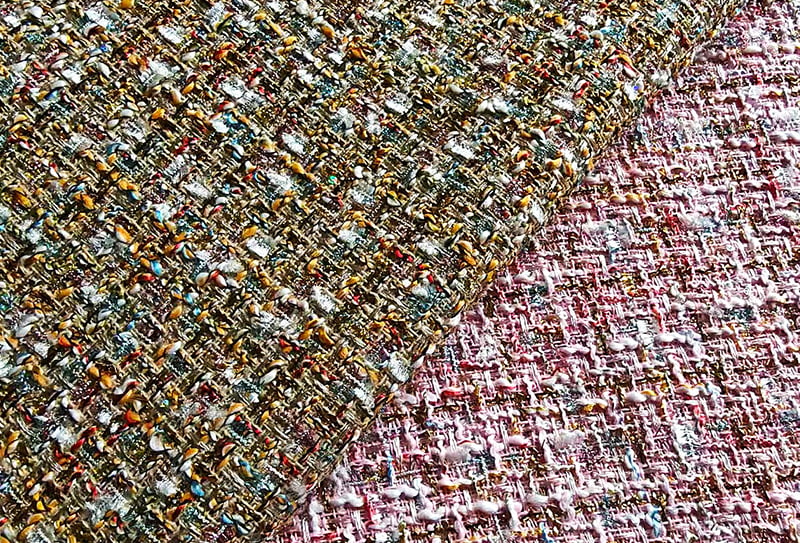
This 450g/148cm tweed fabric (item 1722) features a woven composite of gold and silver threads and sequins. Its thickened 450g/m weight imparts exceptional stiffness, while its 148cm width is optimize...
See Details
Contact us
 1027, Floor 1, Zone 1, Beilian Market, China Textile City, Keqiao District, Shaoxing City, Zhejiang Province, China
 +86-159 8821 9333

Copyright © Shaoxing Wanyi Textile Co., Ltd. All Rights Reserved
Custom Soft Faux Fur Fabric, Sherpa Fleece Material Manufacturers
