
 English
 中文简体
中文简体Made from high-quality imitation rabbit fur, this 480mg*160cm rabbit fur plush fabric is soft, warm, and breathable, making it suitable for plush toys, home decor, and children's products. Its soft an...
See DetailsFaux Rabbit Fur vs. PV Velvet Fabric: Understanding Density, Shedding, and Touch
Content
- 1 What Are Faux Rabbit Fur and PV Velvet Fabric?
- 2 Density: The First Tipping Point
- 3 Shedding Resistance: Where Manufacturing Quality Shows
- 4 Touch: Softness versus Smoothness
- 5 Key Properties at a Glance
- 6 Durability, Maintenance, and Cost in Practice
- 7 Choosing the Right Fabric for Your Product
- 8 Frequently Asked Questions
Choosing between faux rabbit fur and PV velvet fabric can be difficult, especially when both materials look similar in a supplier's sample book. Yet once you put them side by side, the differences in density, shedding resistance, and touch quickly become apparent. These qualities do more than affect how a fabric feels; they influence production efficiency, product safety, and the way end users perceive value. In this guide, we compare the two materials in depth to help designers, manufacturers, and sourcing teams make a confident decision.
Polyester-based PV velvet sheds less Faux rabbit fur feels softer
What Are Faux Rabbit Fur and PV Velvet Fabric?
Faux rabbit fur is a pile fabric engineered to imitate the softness and fullness of natural rabbit fur. It is typically knitted or woven from fine-denier polyester fibers, with a dense pile that reproduces the natural density of rabbit fur. The result is a material that feels luxurious, with a fluffy surface and a gentle, silky hand.
PV velvet fabric, also called PV plush, is polyester-based as well but constructed differently. The name refers to a dense, short-pile velvet structure that creates an even, smooth face and a compact hand feel. Products such as easy-care Haipai velvet and durable Tuscan plush are well-known examples, and they demonstrate how versatile this category can be.
Density: The First Tipping Point
The first key difference lies in density. In plush textiles, density refers to the number of fibers packed into a unit area of fabric. It determines warmth, body, drape, and how well the pile recovers after compression.
Faux rabbit fur achieves very high density with ultra-fine fibers. Because each fiber is extremely thin, thousands of them can occupy a single square centimeter. This creates the characteristic voluminous fluff of rabbit fur while keeping weight under control. A heavy faux rabbit fur, at around 800 to 1100 grams per meter, feels opulent and deeply insulating.
PV velvet is dense in a different way. Its pile is shorter and more compact, giving the surface a firm, velvet-like body that resists crushing. Press your palm into PV velvet and it springs back quickly. Press into faux rabbit fur and the pile lingers, requiring a brush to fully restore. That difference alone explains why the two fabrics suit different production routes.
One product that illustrates this distinction is our Rex rabbit fur fabric, where a dense backing keeps the long pile stable and full.
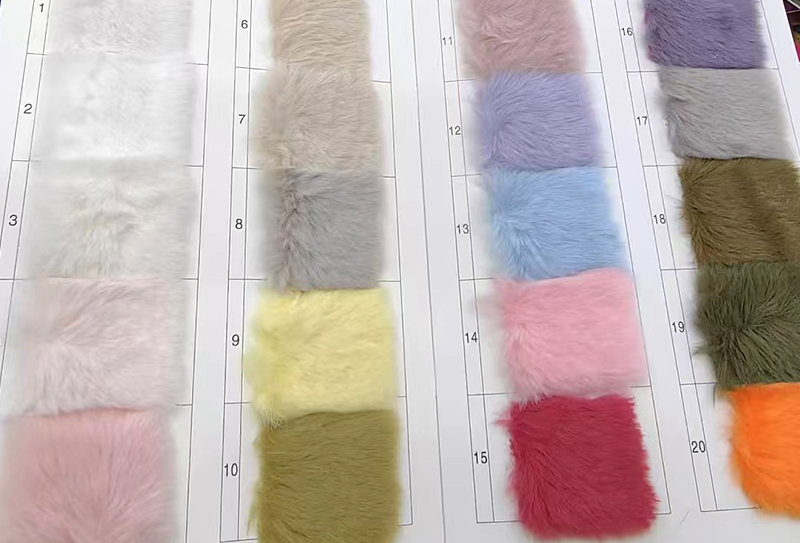 Rex Rabbit Fur Plush Fabric, 800g/m², 160cm Width, 13-15mm PileThis lightweight yet full-pile faux fur offers a dense backing that helps keep the long, soft strands anchored, addressing common shedding concerns for toys and clothing.View Product →
Shedding Resistance: Where Manufacturing Quality Shows
Shedding is often the first complaint from buyers of plush fabrics. Fibers that are not firmly anchored in the ground weave work loose during cutting, sewing, and normal use. For children's toys and wearable items, excessive shedding is both a quality issue and a safety hazard.
PV velvet has a structural advantage. Its short pile sits in a tight weave, so fibers are held firmly in place. As a result, PV velvet is generally more shedding-resistant than faux rabbit fur. This is one reason it appears so often in mass-produced toys, hats, and garments.
However, shedding resistance in faux rabbit fur is not a fixed property. It depends on the backing weave, fiber quality, pile density, and finishing. A high-density faux rabbit fur with a taut ground weave sheds far less than a loosely constructed one. When evaluating samples, run a firm hand against the pile and inspect how many loose fibers remain.
Touch: Softness versus Smoothness
The tactile difference is what most buyers remember after touching both fabrics.
Faux rabbit fur feels soft in the way real fur feels soft. Fine fibers flex easily, creating a warm, silky, and slightly airy surface. It is often described as having a full hand feel, because the long pile carries volume. This makes it a natural choice for plush toy exteriors, blanket backings, jacket collars, and decorative cushions where comfort is the priority.
PV velvet feels smoother and more uniform. The shorter pile and compact surface produce a fabric that is pleasant to touch but less deep. It feels resilient and neat, which suits structured garments, hats, bags, and other items that need crisp lines. Easy-care Haipai velvet, with a 30 mm pile, offers a middle position: plush softness with the neat surface of a velvet.
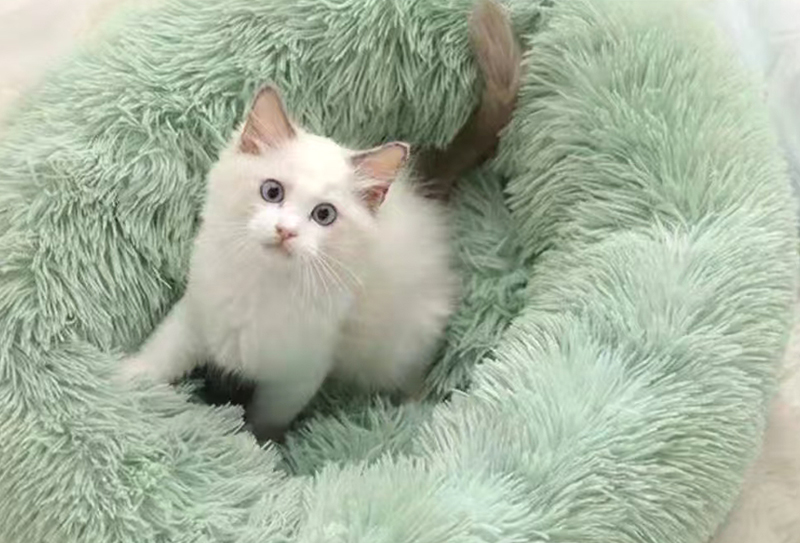 Easy-Care Haipai Velvet, 290gsm, 165cm, 30mm PileWith a 30mm pile, this easy-care velvet combines plush softness with a neat surface, making it a balanced option for garments, toys, pet nests, and decorative blankets.View Product →
Key Properties at a Glance
When the two materials are placed side by side, the practical differences line up clearly.
| Property | Faux Rabbit Fur | PV Velvet Fabric |
|---|---|---|
| Pile length | Long, 20-40 mm | Short to medium, 5-30 mm |
| Fiber density | Very high, fine denier | High, uniform structure |
| Shedding resistance | Moderate to good | Excellent |
| Touch | Soft, silky, fluffy | Smooth, even, resilient |
| Maintenance | Gentle wash, brushing | Easy care, machine washable |
| Typical weight | 480-1200 g/m | 290-380 g/m |
| Best applications | Toys, throws, trim, cushions | Clothing, hats, bags, toys |
Choose faux rabbit fur when the goal is maximum softness and a realistic fur look. Choose PV velvet fabric when durability, easy care, and minimal shedding are the priorities.
Durability, Maintenance, and Cost in Practice
Durability extends beyond shedding. The compact structure of PV velvet makes it more resistant to abrasion, which is why it performs well in items that see heavy daily use, such as backpacks, outerwear, pet beds, and hats. Faux rabbit fur is more delicate: its long fibers can mat or crush in high-friction areas and may need regular brushing to maintain the original look.
Maintenance is another differentiator. The way a plush fabric is engineered determines most of its long-term behavior, as we discuss in our engineering guide to soft faux fur quality and sustainability. Most PV velvet fabrics can be machine washed on a gentle cycle and dry quickly. Faux rabbit fur can also be washed, but it must be dried carefully and brushed afterward to restore the loft.
Cost depends on density and finishing. A high-density faux rabbit fur with a realistic surface usually costs more per meter than a standard PV velvet. Projects with tight budgets often turn to PV velvet without giving up a premium appearance.
Choosing the Right Fabric for Your Product
The right choice always depends on the end product.
- Plush toys: Faux rabbit fur creates the realistic, huggable look that toy brands love. However, if the target audience is infants or the product must pass strict fiber-loss standards, PV velvet is the safer option because it sheds less.
- Apparel: PV velvet works well for full garments and hats because it holds its shape and is easy to tailor. Faux rabbit fur is better for collars, cuffs, linings, and statement pieces where a fur-like drape is desired.
- Home textiles: Both materials suit cushions, throws, and decorative pillows. Faux rabbit fur adds depth and a natural look, while PV velvet gives a neat, modern appearance with better wear resistance.
- Bags and accessories: PV velvet is more practical because it resists rubbing, keeps its shape, and stays clean. Durable Tuscan plush, for example, is a PV velvet product commonly used for hats and clothing because it combines a soft hand with strong resilience.
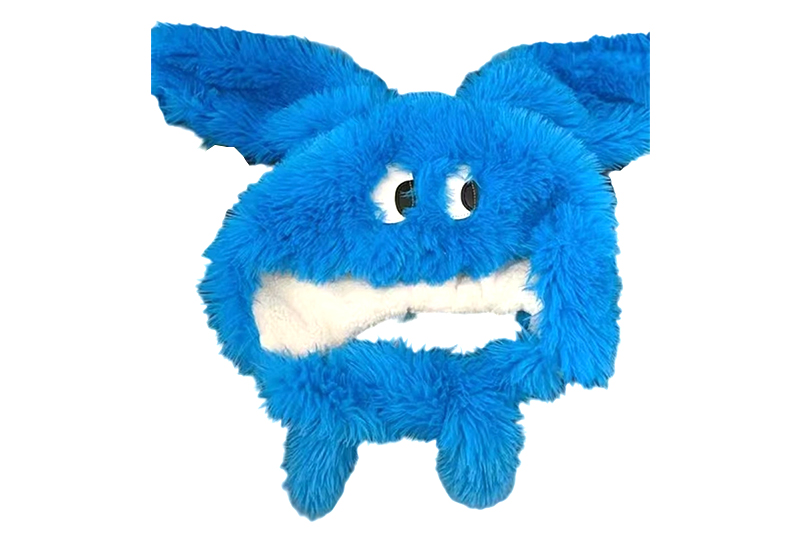 Durable Tuscan Plush Fabric, 380gsm, 160cmThis wear-resistant Tuscan plush is suited for winter clothing, hats, toys, and household items, offering warmth and comfort while maintaining durability in structured pieces.View Product →
Frequently Asked Questions
Q1: Which fabric is warmer, faux rabbit fur or PV velvet?
Faux rabbit fur is warmer. Its longer, denser pile traps more air and provides more insulation. PV velvet offers moderate warmth with less bulk, making it easier to layer.
Q2: Which fabric sheds less?
PV velvet sheds less. Its short, firmly anchored pile stays in place even under friction. High-density faux rabbit fur can also resist shedding, but it generally still sheds more than PV velvet and should be tested for the specific application.
Q3: Can both fabrics be used for plush toys?
Yes. Faux rabbit fur gives a realistic, cuddly finish, while PV velvet is preferred when lower shedding and easier cleaning are important, especially for toys intended for young children.
Q4: How can I judge density when comparing samples?
Feel the backing and the pile. A dense fabric feels firm at the base, and the fibers do not part easily when you run a finger across them. Compare weight per meter and ask the supplier for pile density specifications.
The choice between faux rabbit fur and PV velvet fabric ultimately comes down to your product priorities. If you need unmatched softness and a realistic fur feel, faux rabbit fur is the right direction. If you need a smooth, tough, low-shedding material that is easy to produce and maintain, PV velvet offers a safer, more cost-effective route. The strongest approach is to work with a plush fabric manufacturer that supplies both and can adjust weight, pile height, color, and finish to your exact production requirements. With growing attention on sustainable textile production, selecting a partner that understands responsible manufacturing matters as much as the fabric itself - learn why soft faux fur is increasingly seen as a sustainable alternative.
Hot News
-
-
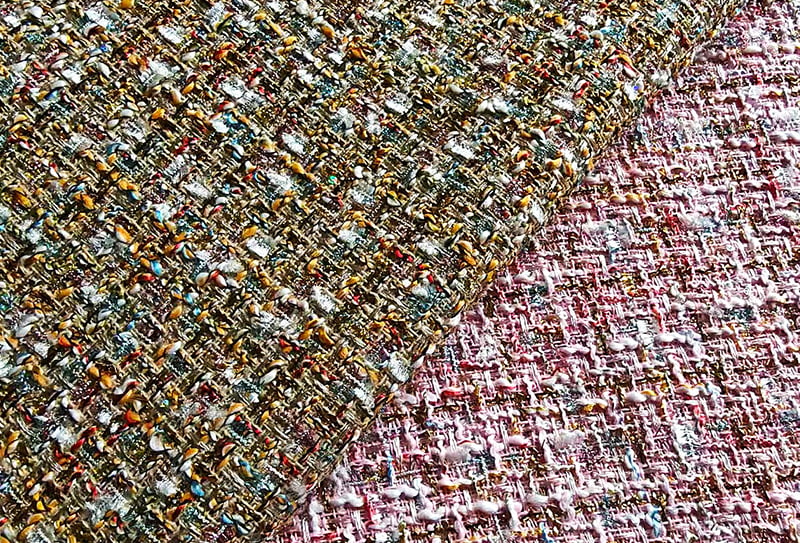
This 450g/148cm tweed fabric (item 1722) features a woven composite of gold and silver threads and sequins. Its thickened 450g/m weight imparts exceptional stiffness, while its 148cm width is optimize...
See Details -
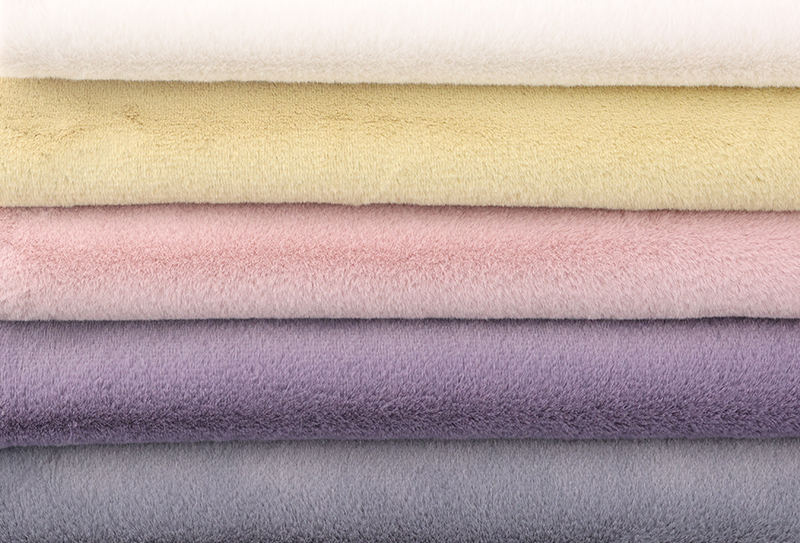
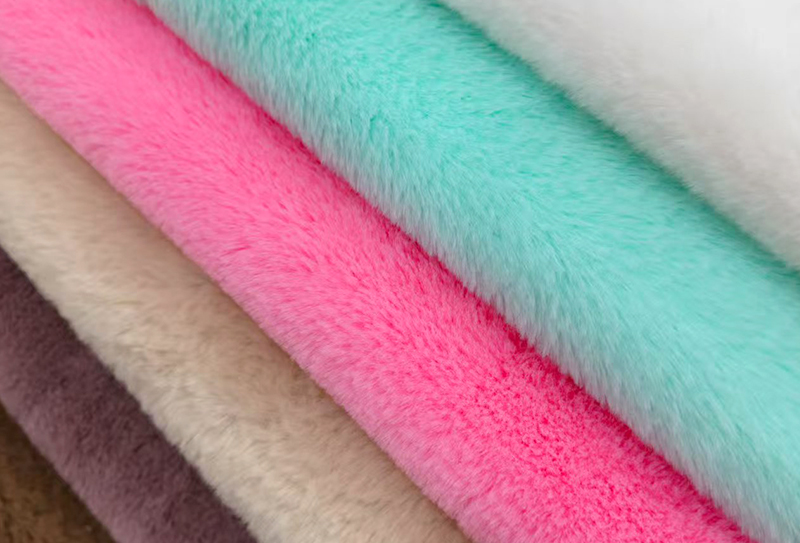
900mg 160cm rabbit mink plush fabric is made of high-quality short plush material with excellent warmth retention and comfort. At the same time, it is processed through a special process and is very s...
See Details -
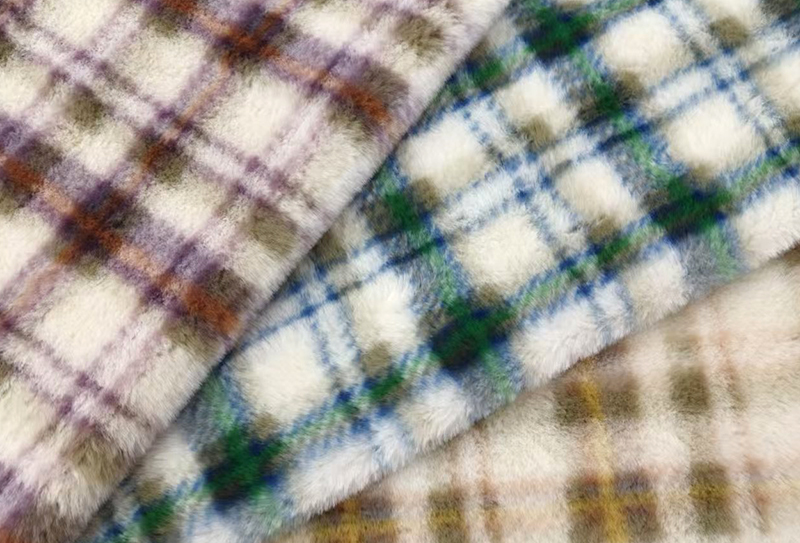
The 500g/160cm rabbit fur printed beautiful check fabric adopts a printing process to present an exquisite three-dimensional checkered pattern on a high-quality imitation rabbit fur base fabric. The m...
See Details -
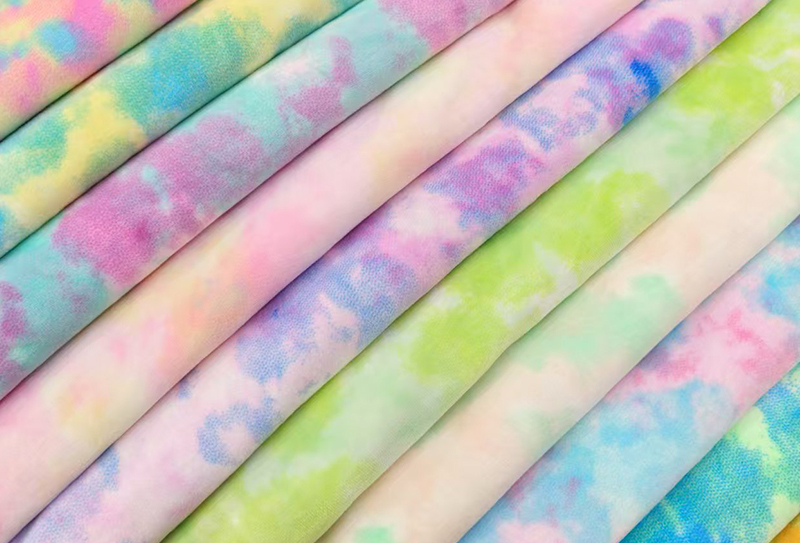
510g/170cm spandex ultra-soft short plush fabric adopts 95% polyester + 5% spandex blending process. The 300g/m weight and elastic fiber give the fabric excellent close-fitting comfort. The 170cm ultr...
See Details -
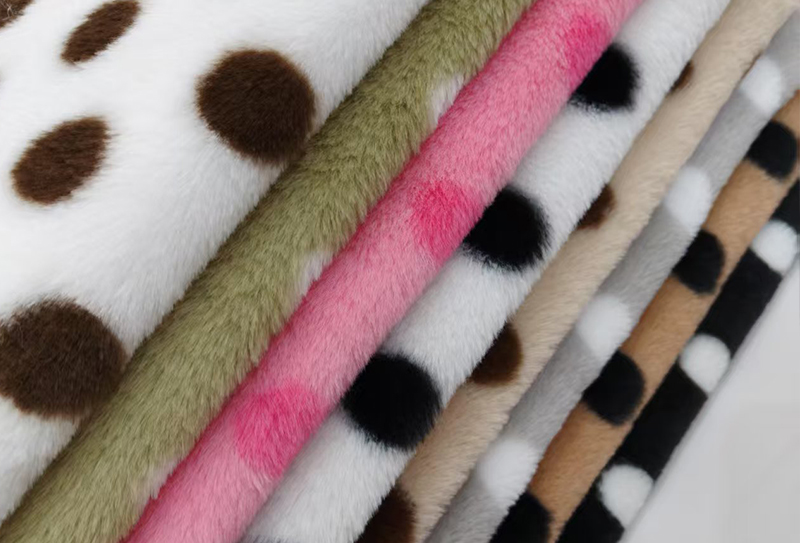
The 500g/160cm rabbit fur printed polka dot fabric uses printing technology to create a three-dimensional and full polka dot pattern on a high-quality imitation rabbit fur base fabric. The medium-thic...
See Details
Contact us
 1027, Floor 1, Zone 1, Beilian Market, China Textile City, Keqiao District, Shaoxing City, Zhejiang Province, China
 +86-159 8821 9333

Copyright © Shaoxing Wanyi Textile Co., Ltd. All Rights Reserved
Custom Soft Faux Fur Fabric, Sherpa Fleece Material Manufacturers
