
 English
 中文简体
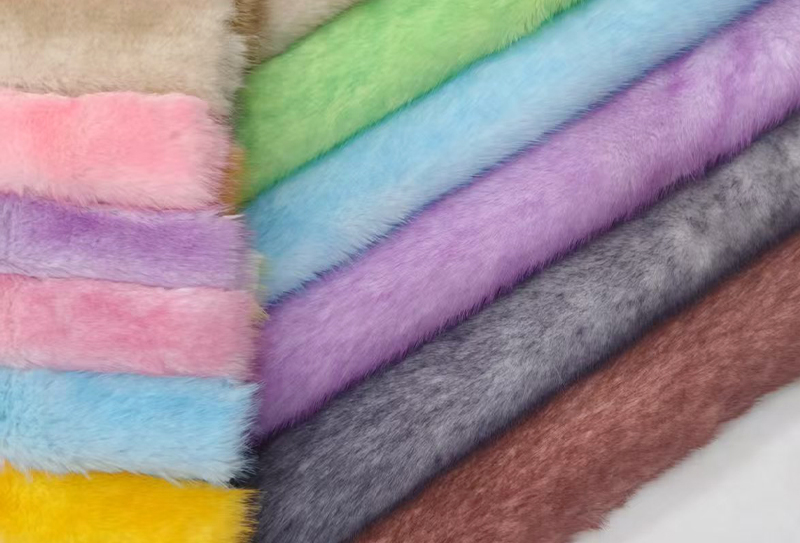
中文简体This 700g thickened, 165cm rainbow mink imitation fox fur fabric utilizes a gradient dyeing technique to create a naturally transitioning rainbow effect. The high-density base fabric combined with the...
See DetailsHot Stamping vs. Heat Transfer Printing on Fabric: A Technical Comparison
Content
- 1 Core Mechanisms: How Each Process Works
- 2 Key Technical Differentiators
- 3 Material Compatibility: Fabric Types and Process Suitability
- 4 Cost Efficiency and Production Scalability
- 5 Frequently Asked Questions
- 5.0.1 Q1: What is the difference between hot stamping and heat transfer printing on fabric?
- 5.0.2 Q2: Which has better wash fastness for clothing?
- 5.0.3 Q3: Can hot stamping be done on cotton fabric?
- 5.0.4 Q4: Which process is more affordable for small batch custom T-shirts?
- 5.0.5 Q5: Why does my hot stamped design feel stiff on my T-shirt?
When it comes to decorating textiles, two of the most frequently compared methods are Hot Stamping Fabric techniques and heat transfer printing. While both processes use heat and pressure to apply a design to a substrate, the underlying mechanics, material requirements, and final results are vastly different. This article provides a detailed, technical analysis of these differences, moving beyond basic definitions to explore process mechanics, durability, material compatibility, and cost-effectiveness for fabric applications.
Core Mechanisms: How Each Process Works
Understanding the fundamental difference between hot stamping and heat transfer requires looking at how each method applies the design to the fabric.
The Hot Stamping Process
Hot stamping, often referred to as foil stamping, relies on a heated die, pressure, and a metallic or pigmented foil. The process involves a physical transfer where the foil's adhesive layer is activated by heat and pressure, bonding it to the fabric surface. The key parameters typically involve temperatures ranging from 110°C to 150°C for fabric, with pressure and dwell time precisely controlled.
The Heat Transfer Printing Process
Heat transfer printing is an umbrella term that encompasses several methods, but generally involves transferring a design from a carrier paper or film onto the fabric. Unlike the foil used in hot stamping, heat transfer uses specialized inks (such as sublimation inks, plastisol, or pigment inks) that are printed onto transfer paper. The heat and pressure cause the ink to either adhere to the fabric surface or, in the case of sublimation, penetrate the fibers.
Key Technical Differentiators
Several factors distinguish these two decorating technologies in the textile industry.
| Factor | Hot Stamping (Foil) | Heat Transfer Printing |
|---|---|---|
| Material Transferred | Metallic or pigmented foil (physical layer) | Ink (sublimation dye, plastisol, etc.) |
| Fabric Bonding | Adhesive activation via heat/pressure; sits on surface | Adhesive layer (plastisol) or fiber penetration (sublimation) |
| Temperature Range | 110°C - 150°C (fabric specific) | 130°C - 230°C (depending on ink type) |
| Finish/Aesthetic | Metallic, glossy, holographic, or matte pigment | Photo-realistic, matte, satin, or glossy ink finish |
| Hand Feel | Slightly raised, potentially stiff, less breathable area | Can be stiff (plastisol) or soft/no feel (sublimation) |
| Wash Fastness | Can be moderate; prone to peeling if not properly cured | High to excellent (sublimation); varies (plastisol) |
Durability and Wash Fastness: A Critical Comparison
One of the most common debates revolves around which method lasts longer. Independent testing has shown that certain heat transfer methods (like sublimation) can achieve a grade 5 rating for washing fastness (color fade and contamination) and a grade 5 for abrasion fastness. For hot stamping, the fastness is heavily dependent on the adhesive quality and the base fabric. Standard hot stamping pastes have historically struggled with washing fastness, though innovations are emerging that aim to achieve grade 5 level performance through improved formulations.
Key Insight: Durability is not inherent to the method alone but depends heavily on the specific materials used. For instance, sublimation transfers on polyester offer excellent wash fastness because the color becomes part of the fiber, whereas a poorly applied foil on cotton will show wear much sooner.
Material Compatibility: Fabric Types and Process Suitability
Choosing the right process often comes down to the fabric being decorated.
Hot Stamping Fabric Applications
Hot stamping is highly versatile in terms of fabric compatibility. It can be applied to a wide range of textiles, including cotton, polyester, blends, nylon, and non-woven fabrics. However, the process creates a surface layer, which means that while it works on most materials, the tactile experience and breathability of the base fabric are compromised in the stamped area.
Heat Transfer Fabric Applications
The fabric compatibility for heat transfer is more nuanced. Plastisol transfers work well on cotton and cotton blends, creating an opaque, durable layer on the surface. In contrast, dye-sublimation transfer is exclusive to polyester or polymer-coated fabrics. The dye sublimates into a gas and bonds permanently with the polyester fibers, resulting in a print that does not sit on the surface and offers superior breathability.
Cost Efficiency and Production Scalability
The economic considerations for hot stamping versus heat transfer shift depending on production volume and complexity.
- Setup Costs: Hot stamping requires the creation of a dedicated die or stamping plate, which represents a higher initial tooling cost. Heat transfer often involves creating a screen or digital print file, which can be more cost-effective for complex or multi-color designs.
- Volume Economics: Heat transfer is generally more efficient and cost-effective for large-scale production runs, especially in apparel manufacturing. The process is faster once set up and does not require the precise alignment and manual setup that hot stamping may demand.
- Small Batch Advantages: For small batches or custom items, hot stamping can be surprisingly economical due to the "no plate making" advantage for certain applications, allowing for one-piece printing.
Hot Stamping
Higher initial die cost, but lower per-unit cost for consistent, metallic finishes. Favored for short runs with high-end aesthetics.
Heat Transfer
Lower setup costs for multi-color, complex, or photo-realistic designs. Lower per-unit cost for high-volume production.
Frequently Asked Questions
Q1: What is the difference between hot stamping and heat transfer printing on fabric?
Hot stamping uses a heated die to apply a foil layer onto the fabric surface, creating a metallic or pigmented finish. Heat transfer printing uses heat and pressure to apply ink from a carrier paper onto the fabric, which can either sit on the surface or penetrate the fibers (sublimation).
Q2: Which has better wash fastness for clothing?
Generally, high-quality heat transfer methods, especially dye-sublimation on polyester, offer superior wash fastness because the dye becomes part of the fiber. Hot stamping fastness depends on the adhesive, but can peel over time if not properly formulated.
Q3: Can hot stamping be done on cotton fabric?
Yes, hot stamping can be applied to cotton and a variety of other natural and synthetic fabrics like polyester, nylon, and blends.
Q4: Which process is more affordable for small batch custom T-shirts?
For very small batches, hot stamping can be cost-effective due to the ability to print one piece without extensive setup. However, for complex designs, heat transfer might be more practical.
Q5: Why does my hot stamped design feel stiff on my T-shirt?
The stiffness comes from the adhesive layer and the foil that sit on top of the fabric surface, which reduces breathability in the printed area. This is a known characteristic of the process.
Hot News
-
-
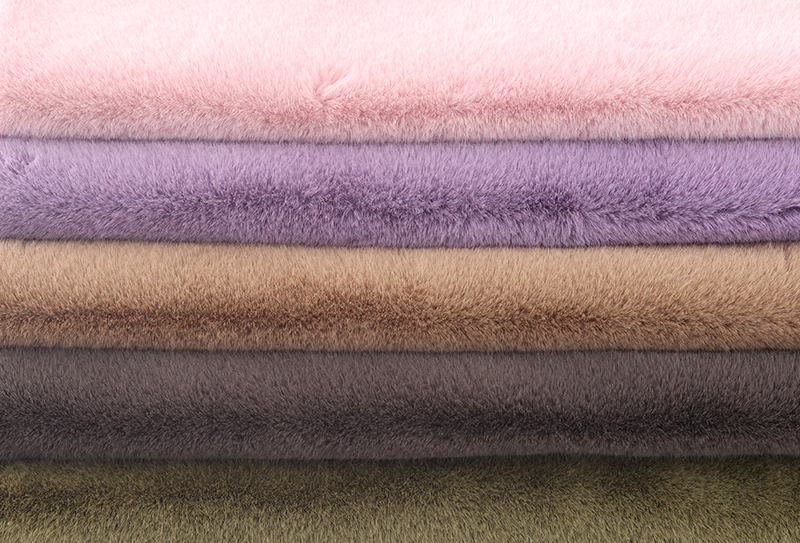
Our imitation mink fabric measures 1200mg x 180cm and is primarily blended with chemical fibers such as polyester and polyester fibers. Some products may also incorporate natural hair, such as raccoon...
See Details -
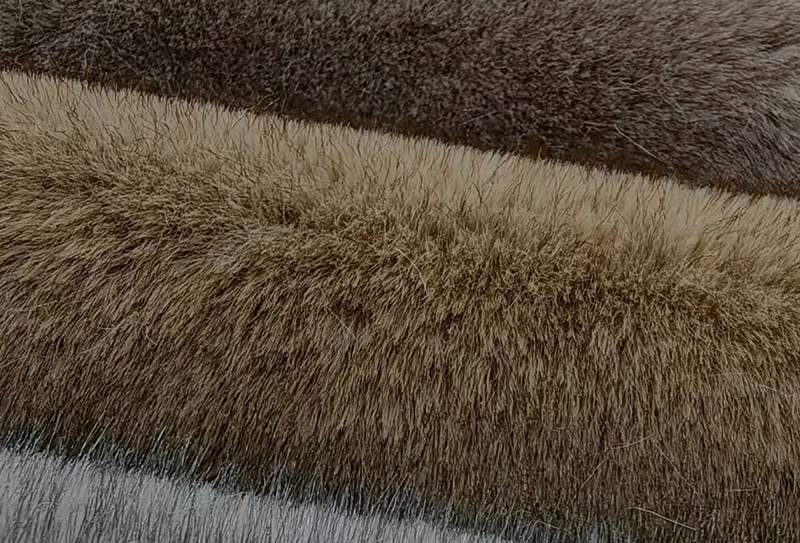
The 1200mg*185cm two-color cationic imitation fox fur fabric adopts an innovative cationic dyeing two-color process to achieve a two-color gradient effect, and the fluff presents a natural and three-d...
See Details -
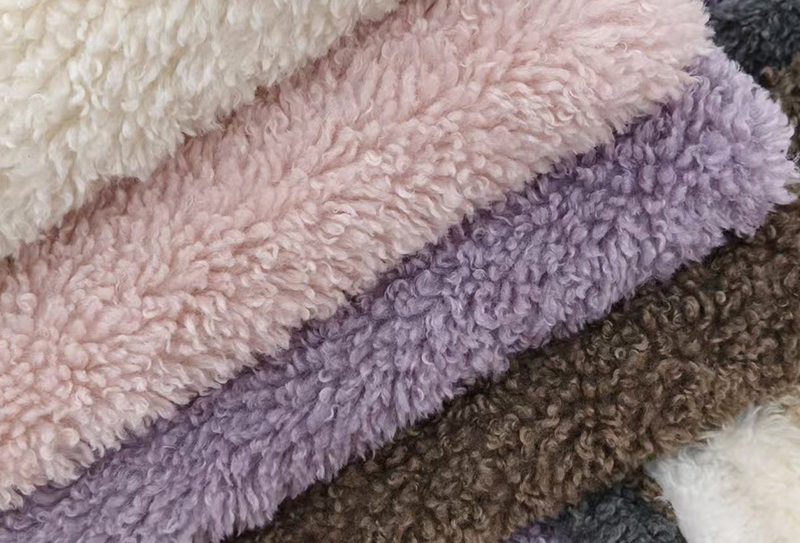
800mg/m², 165cm Kara Cashmere fabric is made from carefully selected modified polyester fibers, using a special polarizing process to create a fine, dense cashmere feel. The medium-to-high weight of 8...
See Details -
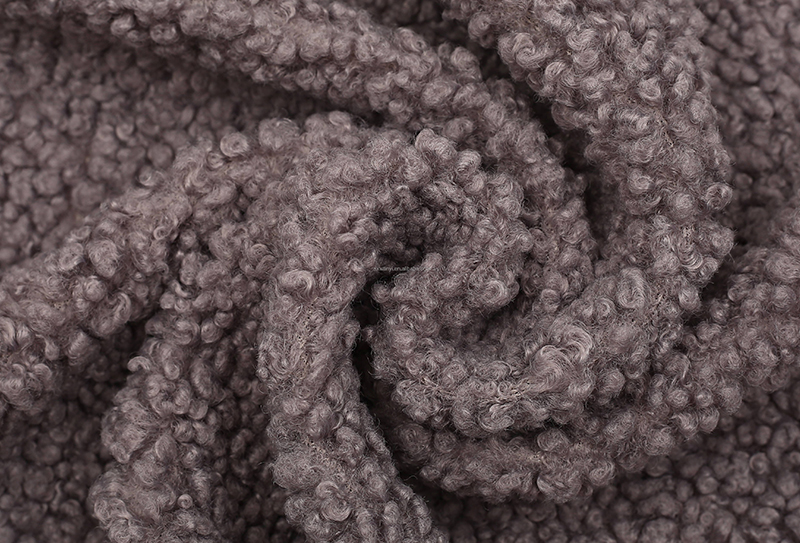
This 500mg*160cm Altai curly grain fabric utilizes a special post-fleeting process to create a three-dimensional Altai-style curly grain texture. The 500g/m2 weight ensures the fabric remains soft and...
See Details -
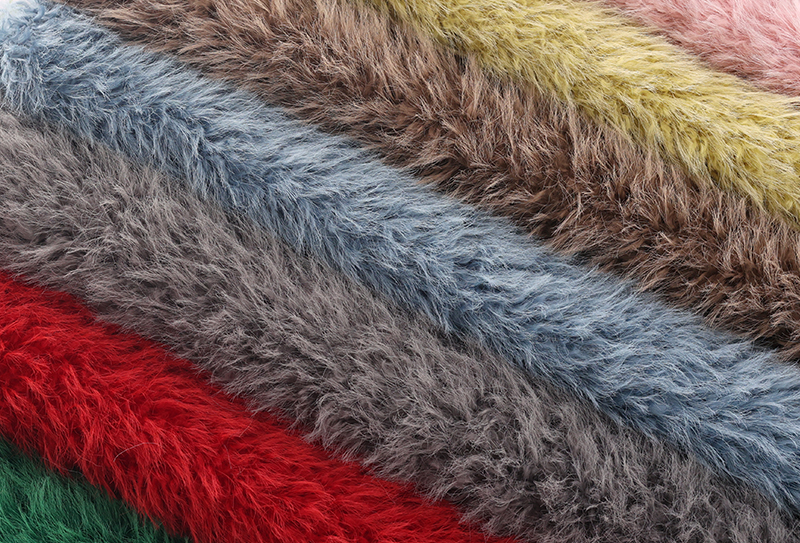
This 700g x 160cm Guifei Toka imitation fox fur fabric utilizes biomimetic fiber technology to mimic the fluffiness and smoothness of real fox fur. The medium weight of 700g/cm creates a fluffy feel w...
See Details
Contact us
 1027, Floor 1, Zone 1, Beilian Market, China Textile City, Keqiao District, Shaoxing City, Zhejiang Province, China
 +86-159 8821 9333

Copyright © Shaoxing Wanyi Textile Co., Ltd. All Rights Reserved
Custom Soft Faux Fur Fabric, Sherpa Fleece Material Manufacturers
