
 English
 中文简体
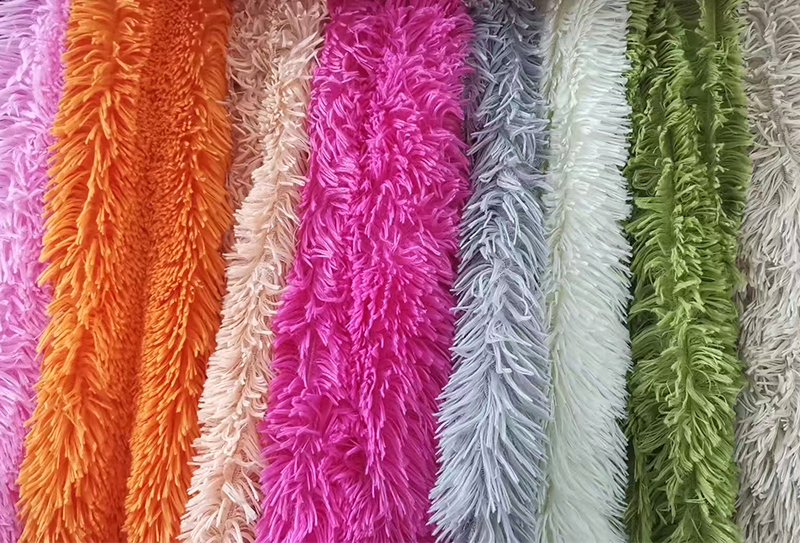
中文简体This 290gsm*165cm Haipai velvet fabric is easy to care for and 30mm thick, making it suitable for clothing, toys, pet beds, blankets, and other decorative applications. Its excellent wear resistance a...
See DetailsHow to Keep Faux Fox Fur Fabric Soft and Fluffy
Content
Faux fox fur fabric is prized for its luxurious, plush texture that mimics the appearance and feel of natural fox fur. However, this synthetic material requires specific care to maintain its signature softness and fluffiness. Without proper maintenance, the fibers can become matted, tangled, or flattened, diminishing the fabric's visual appeal. This guide provides practical, actionable methods for preserving the plush quality of faux fox fur, ensuring it remains soft and fluffy for years.
Many owners of faux fur garments, accessories, and home decor items struggle with restoring the fabric's original texture after wear, washing, or storage. The key lies in understanding the synthetic fibers—typically acrylic, modacrylic, or polyester—and how they respond to different treatments. Regular maintenance is far more effective than attempting to fix severe matting after it occurs.
Regular Brushing: The Foundation of Fluffiness
Brushing is the single most important practice for keeping faux fox fur fabric soft and fluffy. Over time, friction from sitting, wearing, or general use causes the fibers to compress and tangle. Regular brushing breaks up small snags, lifts the pile, and restores the fabric's airy volume. It also brings dirt and body oils to the surface, preventing them from settling deep into the fibers.
Choosing the Right Brush
Use a soft-bristled brush, such as a pet brush designed for long-haired animals, or a wide-tooth comb. These tools gently separate the fibers without pulling or damaging them. Avoid stiff brushes or combs with sharp metal teeth, which can snag and break the delicate synthetic strands.
Brushing Technique
- Frequency: Brush the fabric every few weeks, or more frequently for heavily used items like coats or throws.
- Direction: Brush in the direction of the pile (the natural lay of the fur). This aligns the fibers and enhances the realistic, smooth appearance.
- Gentle Strokes: Use light, sweeping motions. Do not press down hard, as this can flatten the pile further.
- Tangles: For stubborn tangles, gently work them out with your fingers before using a brush.
Regular brushing not only maintains fluffiness but also extends the lifespan of the fabric by preventing permanent matting.
Proper Washing Techniques
Washing is necessary to remove deep-seated dirt and odors, but it is also the stage where most damage occurs. Faux fox fur is sensitive to heat, agitation, and harsh chemicals. Always check the care label before proceeding, as some items are labeled for professional dry cleaning only.
Hand Washing (Recommended Method)
Hand washing is the safest method for most faux fox fur items. Fill a basin or sink with cool or lukewarm water—never hot water, which can melt or warp the synthetic fibers. Add a small amount of mild, color-safe detergent. Submerge the item and gently agitate the water with your hands to lift dirt. Do not twist, wring, or scrub aggressively. Let the item soak for about 15 to 30 minutes.
Machine Washing (If Permitted)
If the care label permits machine washing, use a delicate cycle with cold water and a low spin speed. Place the item in a mesh laundry bag to reduce friction and prevent snagging. Use a mild, color-safe detergent and avoid bleach or fabric softener, which can coat the fibers and cause them to become sticky and matted.
Rinsing
Rinse thoroughly with cool water until all soap residue is gone. Soap left in the fibers can attract dirt and weigh down the pile, making it look flat and dull.
Key Rule: Never use hot water or heat during washing or drying. Heat can permanently fuse the synthetic fibers together, causing irreversible matting and melting.
Restoring Fluffiness After Matting
If the fabric has already become matted or flattened, there are ways to revive it without washing.
Using Steam
Steaming is an effective method to relax compressed fibers. Hang the item in a bathroom during a hot shower, or use a garment steamer held a few inches away from the fabric. Never iron the fabric directly, as the heat will melt the fibers. After steaming, gently brush the pile to restore volume.
Conditioner Spray
For severely matted areas, mix one teaspoon of hair conditioner with two cups of warm water in a spray bottle. Lightly mist the matted section and gently brush it with a wide-tooth comb. The conditioner helps to lubricate and separate the fibers. Do not use fabric softener, as it leaves a residue that attracts dirt.
Shaking and Fluffing
For minor flattening, simply shaking the item vigorously can help separate the fibers. For larger items like throws, this can be done outdoors where the fabric can catch the breeze.
Storage Practices to Maintain Texture
Proper storage prevents damage that can lead to loss of softness and fluffiness.
- Breathable Garment Bags: Store items in breathable cotton or mesh garment bags to protect from dust, moisture, and light without trapping humidity.
- Cool, Dry Environment: Keep storage areas cool and dry to prevent mold and mildew growth, which can damage the fibers.
- Avoid Weight: Do not stack heavy items on top of faux fur pieces, as the weight will compress the pile and cause permanent flattening.
- Light Protection: Keep dark or brightly colored items away from direct sunlight to prevent fading and discoloration.
For garments, hanging is often recommended to maintain shape, but ensure there is enough room in the closet to prevent crushing against other items.
Understanding Faux Fox Fur Materials
The composition of faux fox fur fabric directly affects how it responds to care methods. Most high-quality faux furs are made from modacrylic or acrylic fibers, sometimes blended with polyester. These materials are chosen for their ability to mimic the softness, shine, and resilience of natural fur.
Manufacturers often use tip-dyeing techniques and specialized finishing processes to achieve a realistic look and feel. Understanding that these are heat-sensitive synthetic fibers is crucial for avoiding common mistakes like using hot water, irons, or dryers. The care methods outlined above are designed specifically for these synthetic materials.
Frequently Asked Questions
Q1: Can you machine wash faux fox fur fabric?
Machine washing is generally not recommended unless the care label explicitly states it is safe. If permitted, use a delicate cycle with cold water, a low spin speed, and place the item in a mesh bag to prevent damage. Heat and agitation are the primary risks.
Q2: How do you fix matted faux fur without washing it?
Use a soft brush or wide-tooth comb to gently work through tangles. For severe matting, lightly mist the area with a mixture of water and a small amount of hair conditioner, then brush carefully. Steaming can also help relax compressed fibers.
Q3: Why does faux fox fur get matted?
Matting occurs when the synthetic fibers become tangled due to friction from wear, sitting, or rubbing. Dirt, body oils, and moisture can also contribute to fibers clumping together. Without regular brushing, these tangles become permanent.
Q4: Can I use fabric softener on faux fur?
No. Fabric softener leaves a residue that can make the fibers sticky, attracting more dirt and causing them to clump together. Stick to mild, color-safe detergents and avoid any additives.
Q5: How often should I brush my faux fox fur item?
For items used frequently, such as coats or throws, brush them every few weeks. For less frequently used items, brushing after each use or before storage is sufficient to maintain the plush texture.
Hot News
-
-
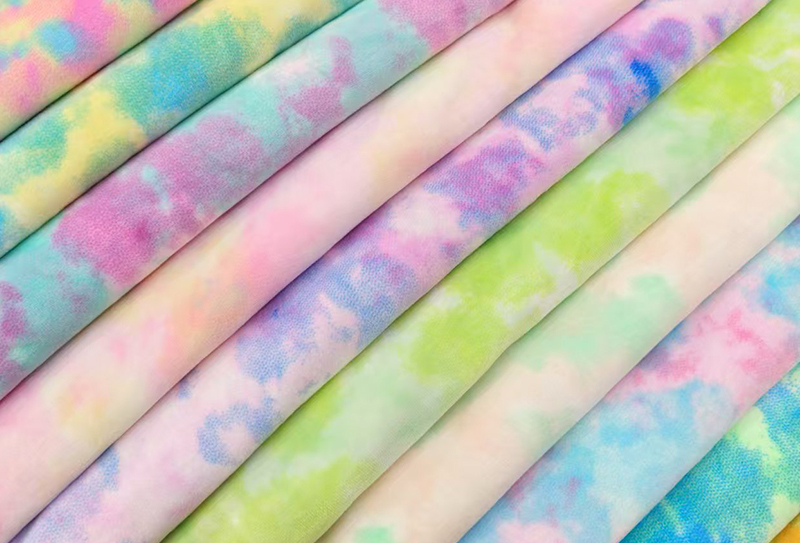
510g/170cm spandex ultra-soft short plush fabric adopts 95% polyester + 5% spandex blending process. The 300g/m weight and elastic fiber give the fabric excellent close-fitting comfort. The 170cm ultr...
See Details -
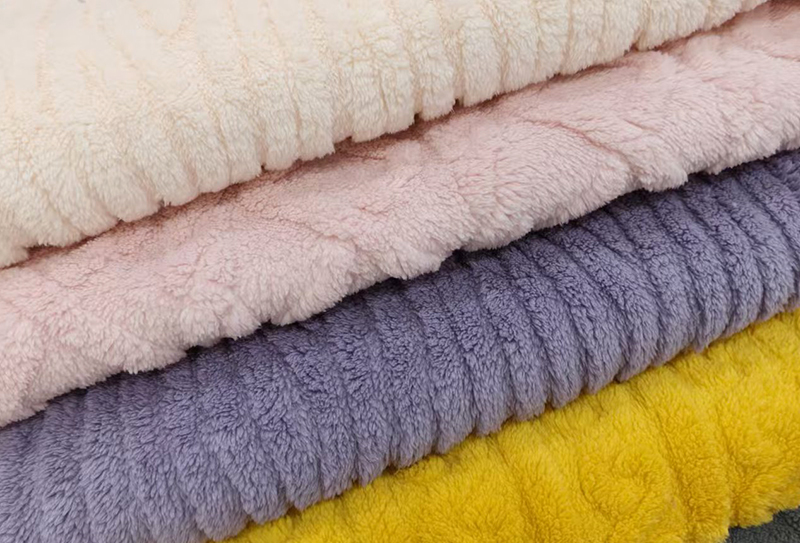
This 280gsm*185cm double-sided 3D jacquard comfortable cotton velvet fabric utilizes an innovative double-sided weaving process, creating distinct 3D jacquard patterns on both sides. The 280g/m weight...
See Details -
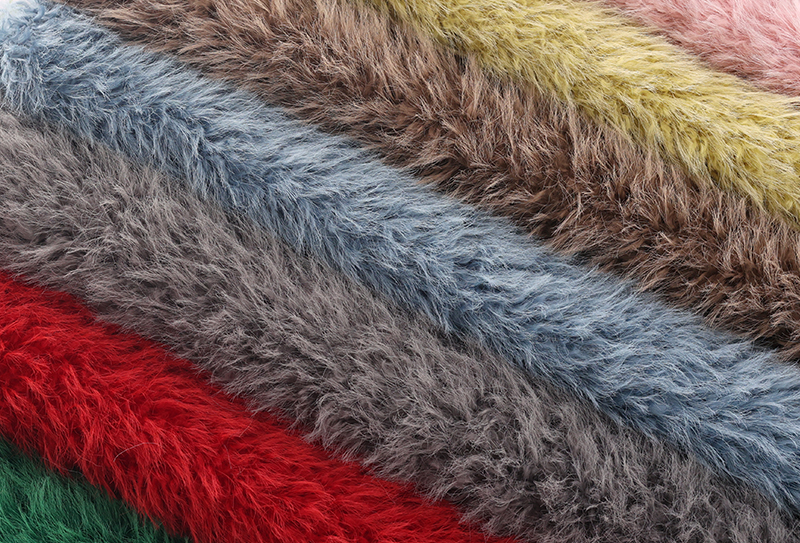
This 700g x 160cm Guifei Toka imitation fox fur fabric utilizes biomimetic fiber technology to mimic the fluffiness and smoothness of real fox fur. The medium weight of 700g/cm creates a fluffy feel w...
See Details -
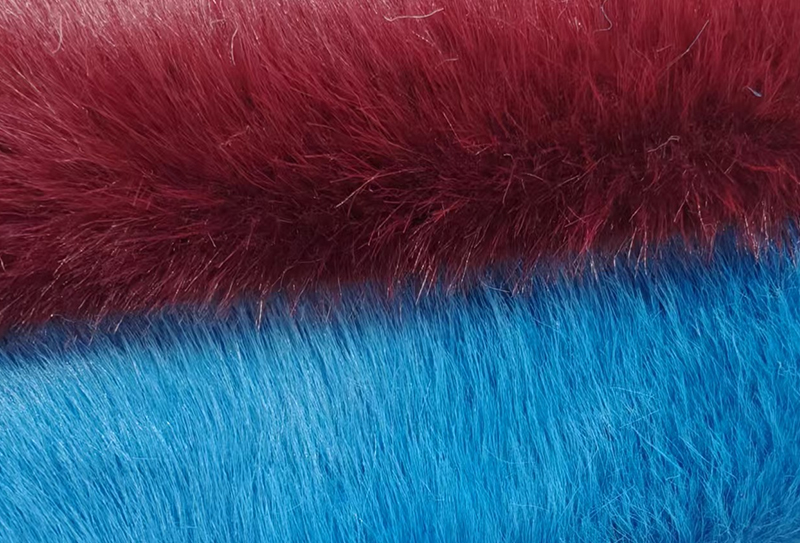
This 800mg*185cm Platinum Mink Faux Fur fabric is made from imitation mink fibers with a soft hand and a natural sheen, resembling the feel of real mink. The 800g/m2 weight ensures the fabric maintain...
See Details -
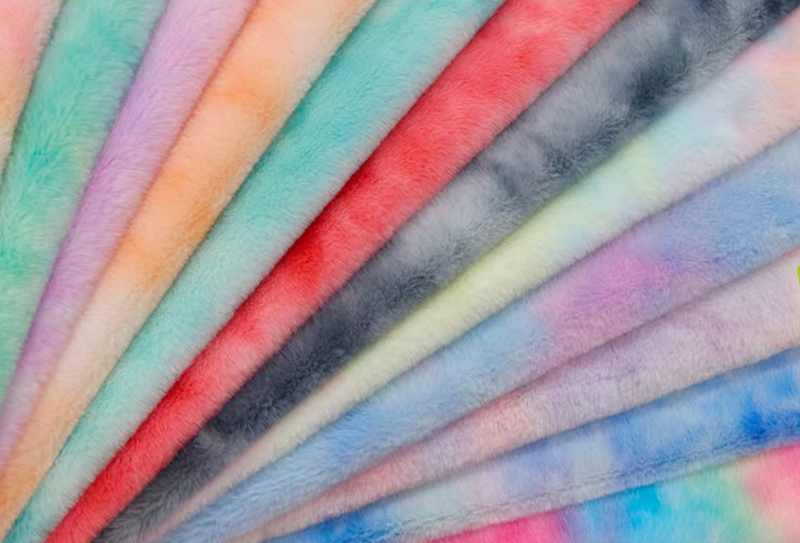
This 450g/165cm tie-dye printed rabbit fur fabric utilizes innovative digital inkjet technology to create an artistic tie-dye gradient effect on a base fabric that mimics rabbit fur. The lightweight 4...
See Details
Contact us
 1027, Floor 1, Zone 1, Beilian Market, China Textile City, Keqiao District, Shaoxing City, Zhejiang Province, China
 +86-159 8821 9333

Copyright © Shaoxing Wanyi Textile Co., Ltd. All Rights Reserved
Custom Soft Faux Fur Fabric, Sherpa Fleece Material Manufacturers
