
 English
 中文简体
中文简体This 290gsm*165cm Haipai velvet fabric is easy to care for and 30mm thick, making it suitable for clothing, toys, pet beds, blankets, and other decorative applications. Its excellent wear resistance a...
See DetailsWhat Is Performance Velvet? A Full Guide to Durable, Stain-Resistant Velvet
Content
- 1 What Does Performance Velvet Actually Mean?
- 2 Performance Velvet vs. Regular Velvet: Key Differences
- 3 Why Construction and Testing Matter for Stains and Wear
- 4 Where Performance Velvet Works Best: Upholstery, Apparel, Toys, and More
- 5 What to Check When Sourcing Performance Velvet from a Supplier
- 6 Frequently Asked Questions About Performance Velvet
Pick up two identical navy sofas in a showroom and you will hear the same question: why is one priced 20 percent higher? The answer sits on the swatch tag in small letters - performance velvet. Performance velvet is an engineered upholstery fabric that keeps the dense, soft hand of classic velvet while adding laboratory-tested resistance to stains, liquids, abrasion, and crushing. It is the material that lets a velvet sofa survive a family room instead of living behind a velvet rope.
The category grew quickly because velvet's weakness was never appearance; it was maintenance. Traditional velvet made from silk, cotton, or viscose absorbs spills, flattens under weight, and shows wear within a season or two. Performance velvet corrects those failures at the fiber level, not with a single spray-on coating. That is why the difference holds up after months of use, and why specification sheets matter more than the label on the roll.
The short version: performance velvet is velvet with the fragility engineered out and the durability engineered in.
What Does Performance Velvet Actually Mean?
Performance velvet means a velvet whose durability and cleanability have been verified by standardized textile tests - it is a measured category, not a marketing adjective.
The typical construction starts with a 100 percent polyester base, knitted for stretch and recovery or woven for dimensional stability. A short, dense pile is sheared to a consistent height, usually 1-3 mm for upholstery grades, and finished with water- and oil-repellent chemistry. The result resists liquid penetration while keeping the light-catching surface that defines velvet.
Performance velvet: a polyester velvet with verified abrasion resistance, typically 40,000 or more Martindale rubs, plus liquid repellency and cleanability, specified for furniture, seating, apparel, toys, and accessories that face frequent use.
Typical specification ranges for commercial performance velvet:
- Fiber: 100 percent polyester, occasionally blended with spandex for stretch
- Weight: 280-400 gsm for upholstery; lighter grades near 230 gsm for apparel
- Width: 155-190 cm in standard mill production
- Pile height: 1-3 mm; deeper piles in plush and toy grades
- Finishes: water-repellent, oil-repellent, anti-pilling, and anti-static options
Performance plush, a close variant, uses the same stain-resistant construction with a deeper pile and more visual dimension, which is why the term often appears alongside performance velvet in furniture collections.
For apparel and toy applications, suppliers such as Shaoxing Wanyi Textile Co., Ltd. offer easy-care performance velvets that pair a deep pile with washable handling.
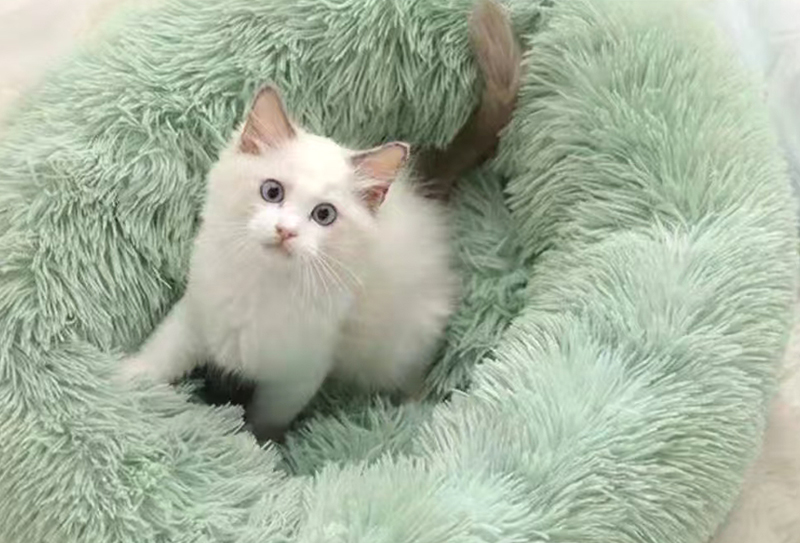 Easy-Care 30mm Haipai Velvet Fabric for Apparel and ToysThis 290gsm, 165cm wide Haipai velvet offers a 30mm deep pile with easy-care properties, suitable for clothing, toys, pet nests, and decorative blankets. Its wear resistance balances comfort and maintenance, making it a practical choice alongside performance-focused alternatives.View Product →
Performance Velvet vs. Regular Velvet: Key Differences
Regular velvet and performance velvet differ by measurable behavior - abrasion resistance, liquid repellency, and cleaning method - not by visual appearance alone.
Placed side by side, the two fabrics can look nearly identical. The difference appears when a glass tips over or when a chair leg drags across the seat. Compare the numbers below before you choose.
| Property | Regular Velvet | Performance Velvet |
| Typical fiber | Silk, cotton, or viscose | 100% polyester or polyester blends |
| Martindale abrasion | 15,000-30,000 rubs | 40,000-100,000 rubs |
| Liquid behavior | Absorbs quickly | Repels and beads on the surface |
| Stain removal | Usually professional cleaning | Water-based spot cleaning |
| Pilling tendency | Moderate to high | Low with anti-pill finishes |
| Best environment | Decorative, low-traffic rooms | High-traffic, kids, pets, dining |
Choose regular velvet when
the piece is decorative, the room is adult-only, and you accept dry-cleaning care.
Choose performance velvet when
the sofa will be sat on daily, spills are likely, or pets share the space.
A fabric that cannot pass 40,000 Martindale rubs is not performance-grade, regardless of what the sales sheet claims.
Why Construction and Testing Matter for Stains and Wear
Durability comes from three engineered layers - the base construction, the pile density, and the protective finish - and each layer can be measured independently.
The knitted or woven base determines dimensional stability and stretch recovery. The pile density, not just pile height, controls how the surface responds to pressure and rubbing. The protective finish decides whether water, oil, and dirt stay on the surface instead of wicking into the yarn.
50,000+Martindale rubs, residential performance grade
100,000Martindale rubs, commercial grade
5+AATCC 118 oil repellency rating
90ISO 4920 water spray rating
A residential performance velvet should exceed 50,000 rubs; commercial seating specification often requires 100,000. An oil repellency rating of 5 or higher means the fabric resists the greasy stains that arrive with food and cosmetics. A spray rating of 90 or above indicates that water still beads after repeated cleaning cycles.
Average Martindale abrasion cycles to wear; longer bars mean higher durability.
Commercial performance velvet at 100,000 rubs typically survives three to five years of daily family-room use - about twice the service life of standard residential velvet.
Where Performance Velvet Works Best: Upholstery, Apparel, Toys, and More
Performance velvet works best in exactly the places where traditional velvet fails: high-contact seating, pet-friendly rooms, dining areas, children's furniture, and commercial waiting spaces.
Beyond furniture, the same properties transfer to apparel, hats, plush toys, and bags, where easy care and color fastness matter more than abrasion numbers. A durable, thicker pile velvet is frequently specified for hats and clothing because the nap keeps its shape under repeated handling.
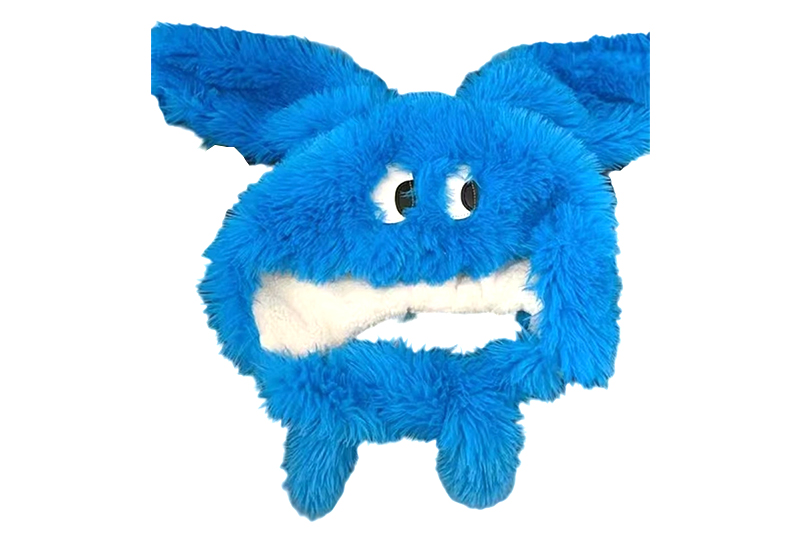 Durable Tuscan Plush Fabric for Hats and ClothingWeighing 380gsm and 160cm wide, this wear-resistant Tuscan plush is built for hats, clothing, and accessories. Its durable nap retains shape under repeated handling, providing warmth and comfort for winter items and household goods.View Product →
Confident applications
Sofas and dining chairs, pet households, children's furniture, commercial waiting areas, apparel and accessories with easy-care finishes.
Think twice
Formal drapery where a softer silk drape is required, or high-gloss decorative schemes where the matte performance finish changes the look.
What to Check When Sourcing Performance Velvet from a Supplier
When you source performance velvet, verify the test report first, the roll dimensions second, and the finishing recipe third - a serious supplier will share all three without hesitation.
Most performance claims fail in the details. Weight and width tolerances, pile consistency along the roll, and whether the finish survives repeated cleaning separate a fabric that works from one that only tests well on a swatch. Use this sequence when evaluating any mill or trading company:
- Request the Martindale and repellency test reports; confirm whether the numbers come from the finished fabric or the greige base.
- Confirm weight, width, and tolerance - for example 290 gsm plus or minus 5 percent at 165 cm usable width.
- Check color fastness to light and to wet rubbing, especially for apparel, hats, and toy production.
- Ask how the finish behaves after cleaning; performance should survive at least 10 wash or abrasion cycles.
- Order a pilot roll and run your own abrasion or stretch test before committing to container volume.
Suppliers in major textile clusters such as Shaoxing, China, are used to these requests. Shaoxing Wanyi Textile Co., Ltd., a Keqiao-based plush fabric manufacturer with 16 years of production experience, publishes weight- and width-tagged product pages so buyers can shortlist fabrics before sampling. Its spandex short plush below is an example of stretch performance construction for fitted furniture or apparel.
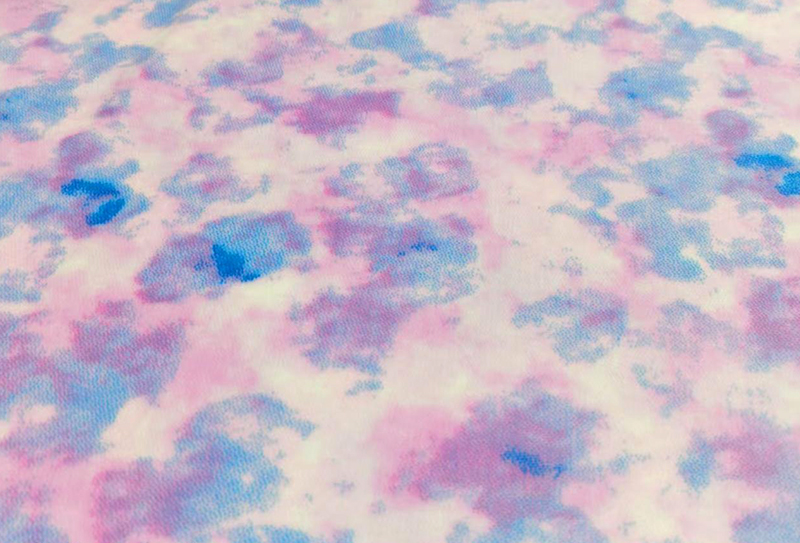 Stretchy Spandex Short Plush Fabric for Fitted UsesThis 300gsm fabric blends 95% polyester with 5% spandex for 15-20% two-way stretch, ideal for fitted garments, baby wear, and protective gear. Its breathable base and skin-friendly finish passed 50 wash tests with high elasticity retention.View Product →
If your priority is responsible material selection, review how sustainable faux fur alternatives compare before you finalize a color standard.
A credible supplier shares test data and a working sample within 7-10 days. Verbal claims without documents are marketing, not specification.
Frequently Asked Questions About Performance Velvet
The four questions below cover the details buyers ask most often after a swatch review.
Is performance velvet machine washable?
It depends on the grade. Upholstery performance velvet is designed for spot cleaning; apparel and toy grades are often machine-washable on a cold gentle cycle with mild detergent. Check the care label and the supplier's wash-test result before bulk production.
Does performance velvet feel like real velvet?
Yes, for practical purposes. The pile construction is similar, and the dense polyester pile has the same soft, matte touch. The main differences are lower luster than silk velvet and a slightly firmer hand from the protective finish.
How long does performance velvet last on a sofa?
Residential grades rated at 50,000-60,000 Martindale rubs typically last five to ten years in daily use. Commercial grades at 100,000 rubs can last longer in high-traffic seating, assuming regular cleaning and cushion rotation.
Is performance velvet pet-friendly?
Generally yes. Tight, low-pile performance velvets release hair easily and resist snagging better than open-weave fabrics, but sharp claws can still pull loops. Short-pile, dense constructions give the best combination of hair release and loop security.
Performance velvet is not a mystery material; it is a verified specification. When the test numbers, the pile construction, and the finishing chemistry line up, the fabric earns the name in daily use. Start with the data, ask for the reports, and order a sample roll before you commit a single sofa - or a single container - to the label.
Hot News
-
-
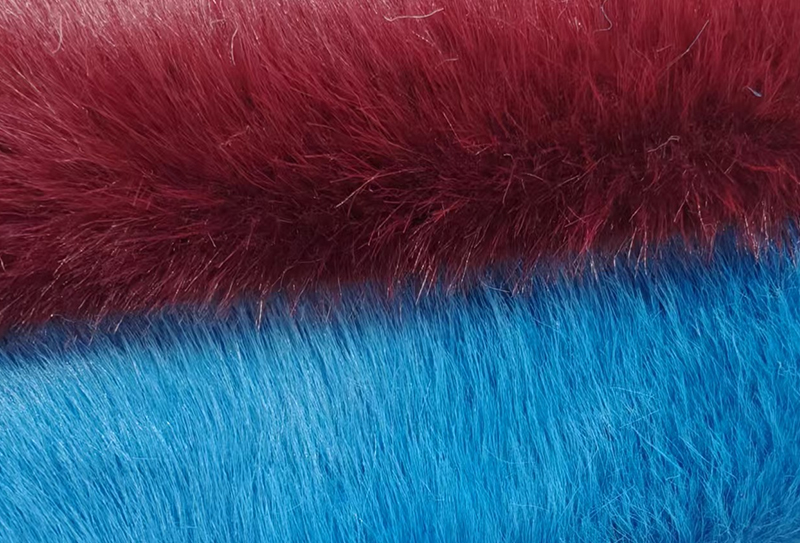
This 800mg*185cm Platinum Mink Faux Fur fabric is made from imitation mink fibers with a soft hand and a natural sheen, resembling the feel of real mink. The 800g/m2 weight ensures the fabric maintain...
See Details -
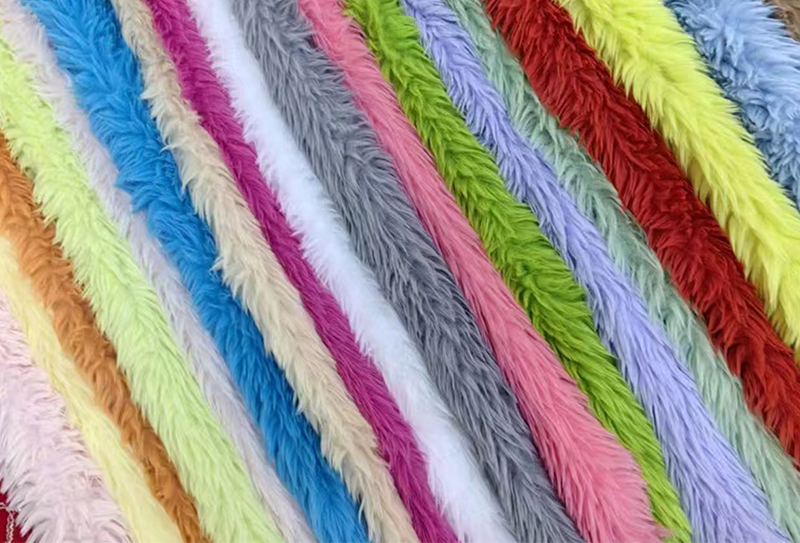
380gsm, 160cm, durable and wear-resistant Tosca plush fabric, suitable for toys, clothing, shoes, hats, and more. This fabric offers excellent wear resistance and durability, making it suitable for a ...
See Details -
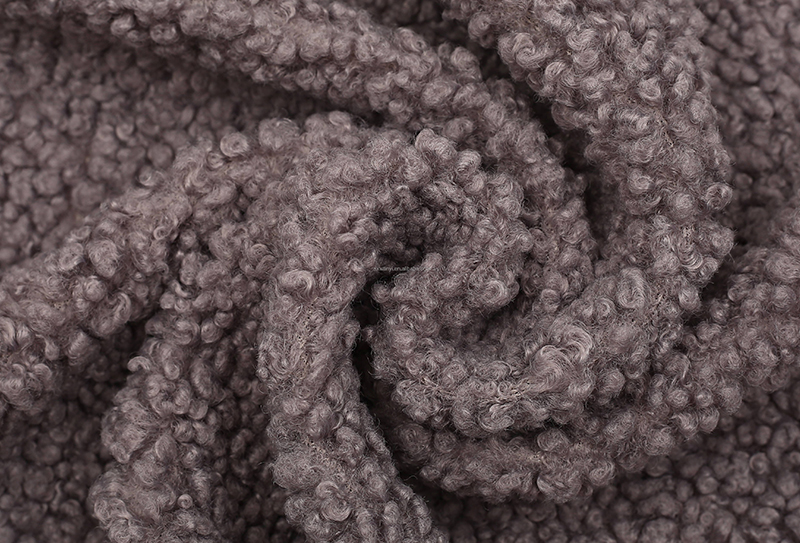
This 500mg*160cm Altai curly grain fabric utilizes a special post-fleeting process to create a three-dimensional Altai-style curly grain texture. The 500g/m2 weight ensures the fabric remains soft and...
See Details -
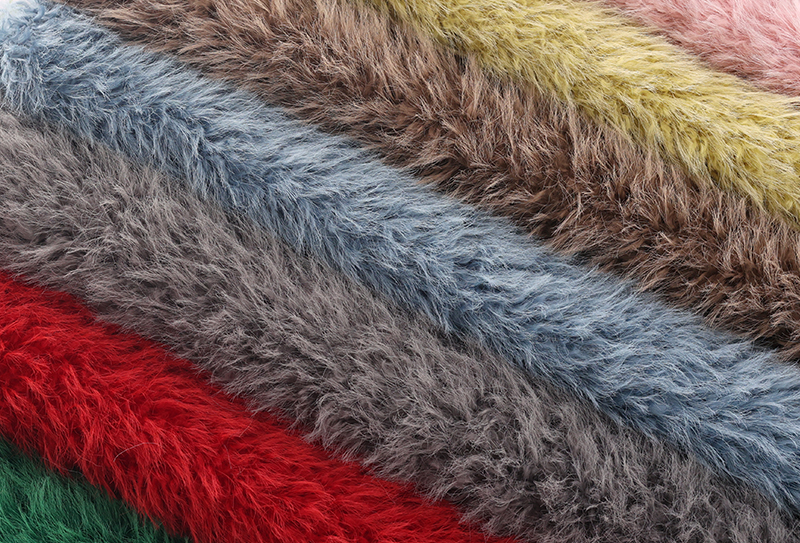
This 700g x 160cm Guifei Toka imitation fox fur fabric utilizes biomimetic fiber technology to mimic the fluffiness and smoothness of real fox fur. The medium weight of 700g/cm creates a fluffy feel w...
See Details -
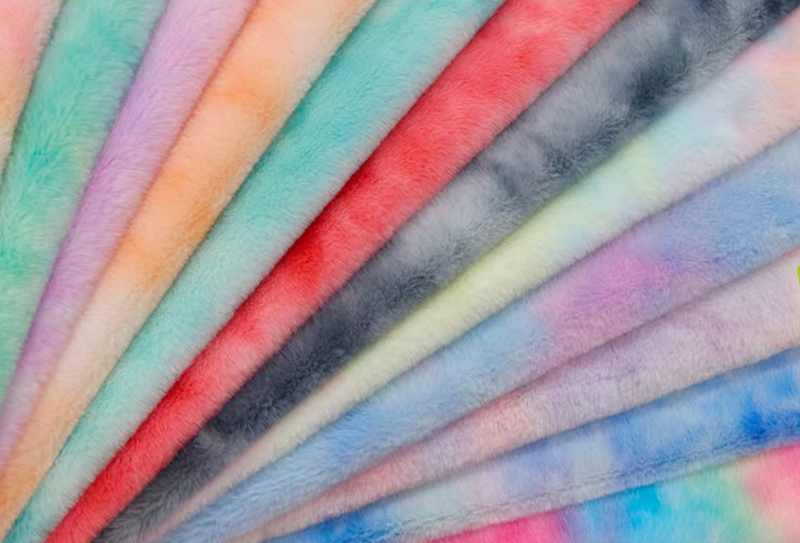
This 450g/165cm tie-dye printed rabbit fur fabric utilizes innovative digital inkjet technology to create an artistic tie-dye gradient effect on a base fabric that mimics rabbit fur. The lightweight 4...
See Details
Contact us
 1027, Floor 1, Zone 1, Beilian Market, China Textile City, Keqiao District, Shaoxing City, Zhejiang Province, China
 +86-159 8821 9333

Copyright © Shaoxing Wanyi Textile Co., Ltd. All Rights Reserved
Custom Soft Faux Fur Fabric, Sherpa Fleece Material Manufacturers
