
 English
 中文简体
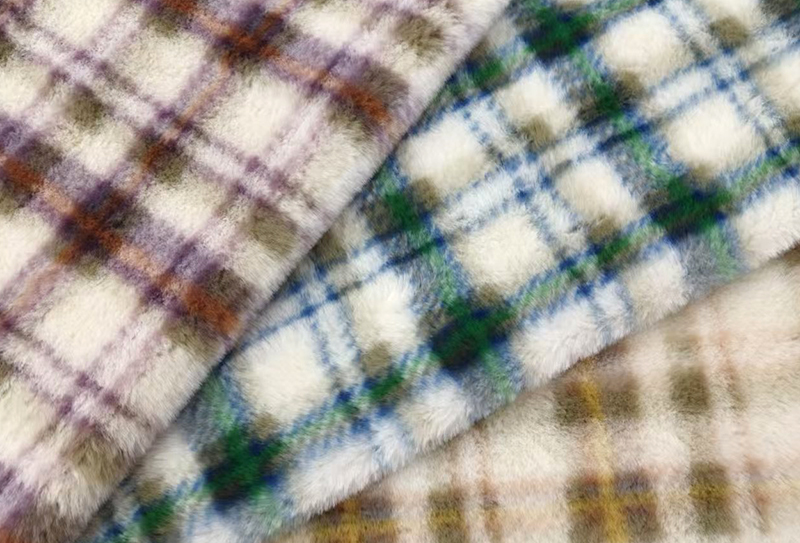
中文简体The 500g/160cm rabbit fur printed beautiful check fabric adopts a printing process to present an exquisite three-dimensional checkered pattern on a high-quality imitation rabbit fur base fabric. The m...
See DetailsRex Rabbit Fur vs. Standard Faux Rabbit Fur: Why Higher Density Matters
Content
- 1 What Makes Rex Rabbit Fur a Density Benchmark
- 2 Standard Faux Rabbit Fur: A Baseline Worth Understanding
- 3 Head-to-Head: Rex Rabbit Fur vs. Standard Faux Rabbit Fur
- 4 Why Higher Density Matters for Luxury Outerwear
- 5 How to Evaluate Density When Sourcing Faux Rabbit Fur
- 6 Frequently Asked Questions
- 7 The Bottom Line
Luxury outerwear is judged before it is worn. Folded on a boutique shelf or lifted out of a garment bag, a coat communicates its quality through one immediate sensation: the hand of its fur. Shoppers seldom ask how long the pile is; they press their palms into the surface, watch how quickly it springs back, and make a decision. That instinct is correct. In both genuine Rex rabbit fur and faux rabbit fur, the single most reliable predictor of a premium outcome is density, not length.
This article places Rex rabbit fur and standard faux rabbit fur side by side, explains the structural reasons why higher density matters for luxury outerwear, and gives fabric buyers a practical framework for evaluating faux rabbit fur before production.
What Makes Rex Rabbit Fur a Density Benchmark
Rex rabbit fur is famous in the fur industry for being exceptionally dense and velvety. The reason is anatomical. In most fur-bearing animals, the coat has two layers: long, sparse guard hairs that form a protective shell, and a short, fine undercoat beneath. In the Rex rabbit, this hierarchy collapses. Guard hairs and undercoat grow to nearly the same length, producing a single uniform, upright pile with an unusually high fiber count per unit area.
Density is the difference between velvet and wool. Rex rabbit fur is structurally much closer to velvet.
Because the fibers are roughly equal in length and tightly packed, Rex fur behaves differently from typical rabbit fur. It does not part easily when brushed against the grain. It springs back after compression. Its surface feels almost suede-like, yet it maintains the deep insulation of a full pile. Once the Rex structure is understood, it becomes clear that the value of the material is fiber density, not fiber length.
For manufacturers that want to capture this specific hand feel without the issues of animal pelt sourcing, dense rex-style plush fabrics replicate the same structural logic in synthetic fiber.
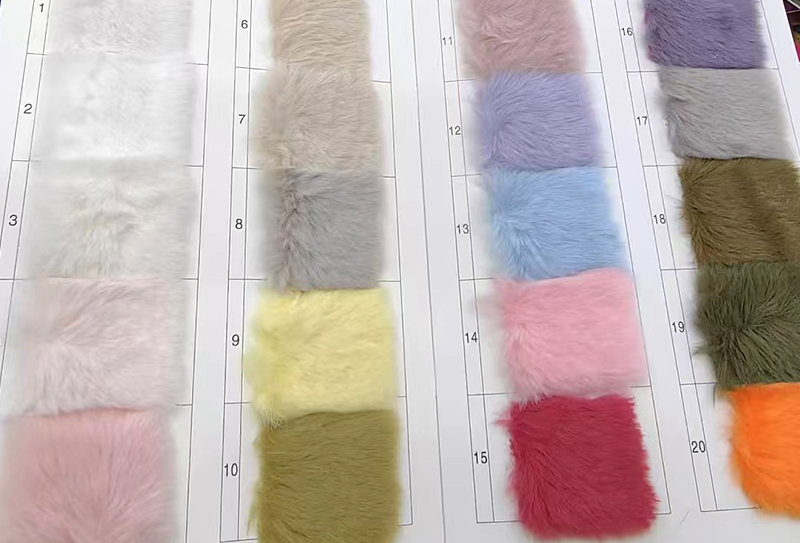 800g Rex-Style Faux Rabbit Fur Plush Fabric with 13-15mm PileThis lightweight Rex-style plush offers the dense, glossy hand feel associated with real rabbit fur. Its long pile suits garments where visual fluffiness is key, though its weight suggests a trade-off in durability for high-contact use.View Product →
Standard Faux Rabbit Fur: A Baseline Worth Understanding
Standard faux rabbit fur is the synthetic construction most often seen in fast-fashion garments. It is engineered for visual appeal first and structural performance second. Guard hairs are typically longer and glossier than the undercoat, and both are rooted in a loose backing at generous intervals. The result looks convincingly fluffy on a hanger but begins to reveal its limitations after a few hours of wear.
Because the guard hairs stand far apart, the pile does not support itself. Pressure at the shoulders, cuffs, and collar pushes fibers in different directions, creating permanent parting lines. The surface loses its uniform sheen, and in humid conditions the pile appears dull and clumpy. These failures are invisible in a product photograph but immediately noticeable when the garment is tried on.
What Standard Faux Fur Gets Right
It is lightweight, inexpensive, easy to color, and adequate for low-contact applications such as decorative trims, hood lining, and children's accessories. The problem appears when the same fabric is used for a high-contact luxury garment, because its density is not sufficient to maintain the surface quality that luxury requires.
Head-to-Head: Rex Rabbit Fur vs. Standard Faux Rabbit Fur
This side-by-side summary isolates the attributes that matter most for luxury outerwear production.
| Attribute | Rex Rabbit Fur | Standard Faux Rabbit Fur |
|---|---|---|
| Pile density | Extremely high | Low to moderate |
| Guard hair vs. undercoat | Similar in length | Guard hair much longer |
| Touch and hand feel | Velvety, springy | Silky but flattens easily |
| Warmth performance | Excellent air trapping | Moderate |
| Pile recovery after pressing | Fast and full | Slow to recover |
| Shedding tendency | Low | Higher at edges |
| Fiber origin | Animal pelt | Synthetic fiber |
| Typical outerwear application | Luxury coats, collars | Fashion trim, linings |
The comparison does not argue that all faux rabbit fur is inferior. It clarifies that low-density synthetic constructions do not reproduce the Rex structure. When density is deliberately engineered into the backing and pile, faux rabbit fur can close most of the performance gap while keeping the ethical and cost advantages the luxury market increasingly values.
Brands that need a voluminous, statement-making plush for oversized collars or full coats should specify a heavier pile density.
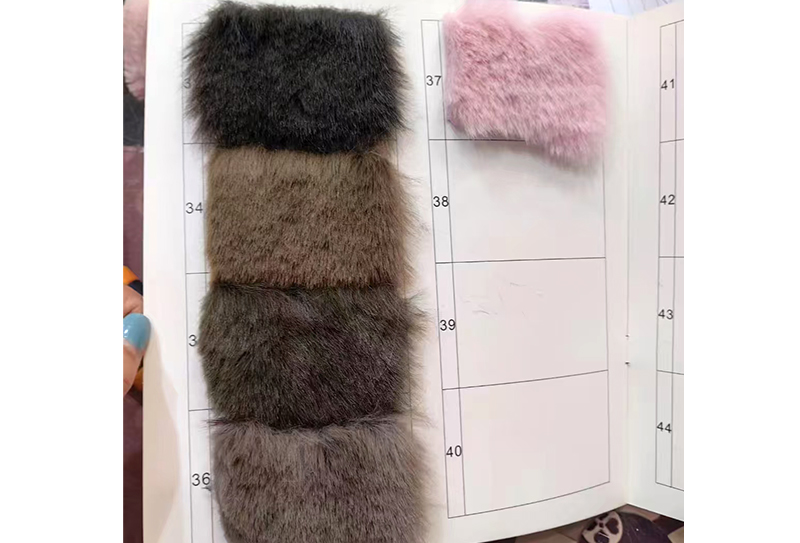 1100g Heavyweight Faux Rabbit Fur Fabric for Luxurious OuterwearA dense, voluminous plush engineered for statement collars and coats. Its high grammage and 165cm width deliver warmth, drape, and surface durability, addressing the wear concerns that lighter pile fabrics struggle to survive.View Product →
Why Higher Density Matters for Luxury Outerwear
Luxury outerwear is a high-contact product. The garment is compressed under sleeve seams, rubbed by bags, exposed to rain, brushed by scarves, and folded between seasons. Density determines how well the surface survives all of those events.
1. Density Preserves an Upright Surface
In a dense pile, every fiber is supported by its neighbors. When pressure is applied, the whole surface moves as one unit and then returns to its original orientation. In a sparse pile, individual fibers deform independently, which quickly turns an even surface into patchy, flattened zones that reveal the backing underneath.
2. Density Traps More Still Air for Warmth
Fur insulates by trapping still air between fibers. The number of trapped-air pockets depends directly on how many fibers occupy a given volume. A dense pile of 800mg or more can hold considerably more air than a fluffy low-density pile of the same thickness, providing better cold-weather performance without added bulk.
3. Density Creates the Tactile Luxury Signal
Luxury shoppers decide with their hands. When the pile rises back quickly after a palm crosses the surface, the fabric feels alive and expensive. When it parts and stays parted, the garment feels thin and disposable. That judgment happens in the first few seconds of contact and determines whether the coat is tried on or returned to the rack.
4. Density Extends the Wearable Life
Every wear compresses the pile at the elbows, cuffs, collar, and seat. Dense furs distribute that compression across a much larger number of fibers, which reduces permanent deformation and fiber breakage. Fewer broken fibers also means fewer loose hairs and less edge shedding, which is why consumers associate dense fur with the durability of an heirloom garment.
For a technical look at how backing construction, fiber quality, and density are assessed in the factory, see our engineering guide to soft faux fur fabric quality and sustainability.
How to Evaluate Density When Sourcing Faux Rabbit Fur
Buyers sometimes equate longer pile with higher quality, which is a costly mistake. Dense short pile outperforms sparse long pile in almost every outerwear application. Evaluating density correctly takes less than a minute once a sample is in hand.
- Examine the backing. A dense, stable backing holds pile fibers firmly in place. If the backing is visible when the pile is parted by a finger, the fabric is too sparse for outerwear.
- Check the declared fabric weight. For faux rabbit fur supplied at widths of 155–165cm, heavyweight goods in the 800mg range and above generally signal a dense, rex-style structure. Lighter weights around 480–550mg are better reserved for trims, hood linings, and children's products.
- Pinch and release. Compress an area of pile between thumb and forefinger for two seconds, then release. High-density fabric recovers instantly; sparser pile takes a moment to stand back up, or never fully recovers.
- Brush against the grain. Run your hand firmly against the direction of the pile. Dense fur shows a fine parting line that closes quickly. Sparse fur reveals the backing and leaves fibers lying in disorganized directions.
- Check the cut edges. Drag a fingernail along a cut edge of the fabric. Fibers that release immediately show that the backing lacks the grip needed for a long-lasting garment.
Quick density benchmark for faux rabbit fur
- 480–550mg: trims, hood lining, light accessories
- 800mg: dense rex-style pile, ideal for outerwear
- 1000mg+: heavy statement collars and full coats
For garments where a lighter, less bulky hand feel is desirable, a carefully engineered silver rabbit fur construction can bridge the gap between low-cost commodity pile and heavy outerwear plush.
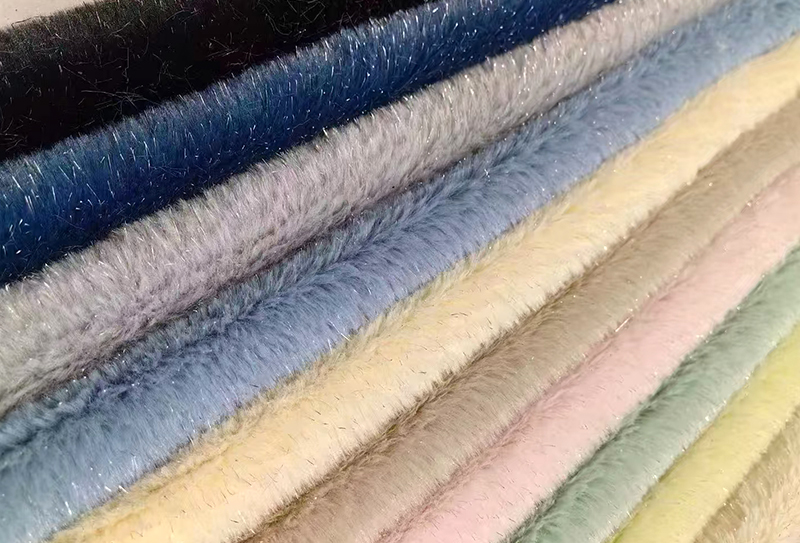 550g Silver-Toned Faux Rabbit Fur Fabric with Decorative SheenThis midweight silver-finished plush blends a subtle metallic luster with rabbit-fur softness. Its balanced weight makes it a practical bridge for lighter apparel and home decor, offering an animal-free alternative without the bulk of heavy outerwear piles.View Product →
As the fashion industry moves toward responsible material choices, high-density faux rabbit fur offers a defensible alternative to animal fur. To discuss density specifications for your next outerwear program, explore our plush fabric collection and request samples before committing to production.
Frequently Asked Questions
Q1: Is Rex rabbit fur denser than standard faux rabbit fur?
Almost always, yes. Rex rabbit fur has an unusually even pile because guard hairs and undercoat are nearly the same length, producing a dense, upright structure. Standard faux rabbit fur is typically made with long, widely spaced guard hairs over a thin undercoat, which lowers its fiber density per unit area even when it looks fluffy.
Q2: Can high-density faux rabbit fur keep the wearer as warm as real Rex fur?
To a large degree, yes. Warmth depends on how much still air the pile traps. A dense polyester plush can trap a similar volume of air and provide comparable insulation, especially when the backing is closely knit and the pile stays upright.
Q3: What fabric weight should I look for in high-density faux rabbit fur?
For outerwear and luxury trim, specify 800mg or more per running meter at widths of 155–165cm. For hoods and lighter trims, 480–550mg can be sufficient. If the design calls for a dramatic drape, weights above 1000mg will provide the heaviest, most substantial hand feel.
Q4: Does higher density reduce shedding in faux fur?
Yes. Shedding is primarily a function of how firmly each fiber is anchored. Higher-density fabrics use a tighter backing construction with more anchor points per fiber, which significantly reduces edge shedding, fiber migration, and the gradual bald spots seen in low-density faux fur garments.
The Bottom Line
The debate between genuine Rex rabbit fur and standard faux rabbit fur is often treated as an ethics discussion, but for a production manager it is a materials decision first. Rex rabbit fur earned its premium status because its coat structure is genuinely different: denser, more upright, and more resilient. Standard faux rabbit fur does not automatically match that standard. High-density faux rabbit fur, however, can be engineered to close the gap.
When you choose a faux rabbit fur for luxury outerwear, evaluate pile density before pile length. Ask for the declared fabric weight, examine the backing, run a pinch test on a sample swatch, and wipe a gloved hand across the pile to check recovery. Density is the detail that makes a garment read as expensive, wear longer, and sell at a price that supports a real margin.
Hot News
-
-
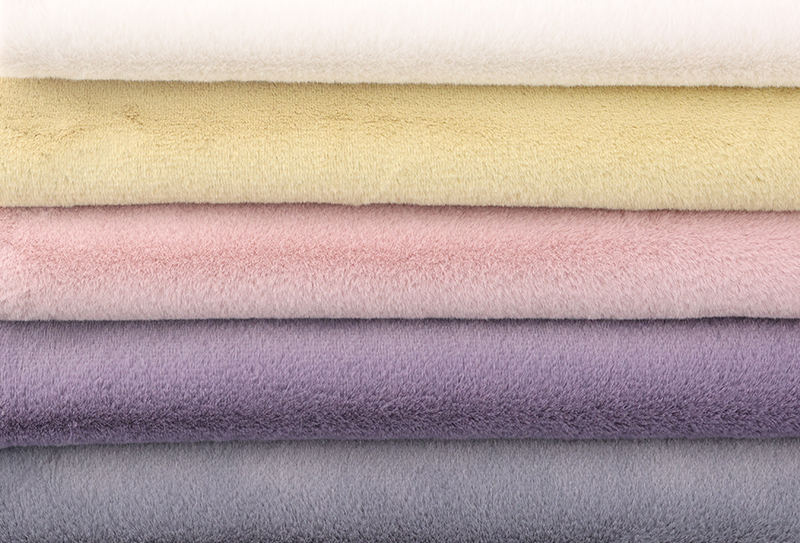
900mg 160cm rabbit mink plush fabric is made of high-quality short plush material with excellent warmth retention and comfort. At the same time, it is processed through a special process and is very s...
See Details -
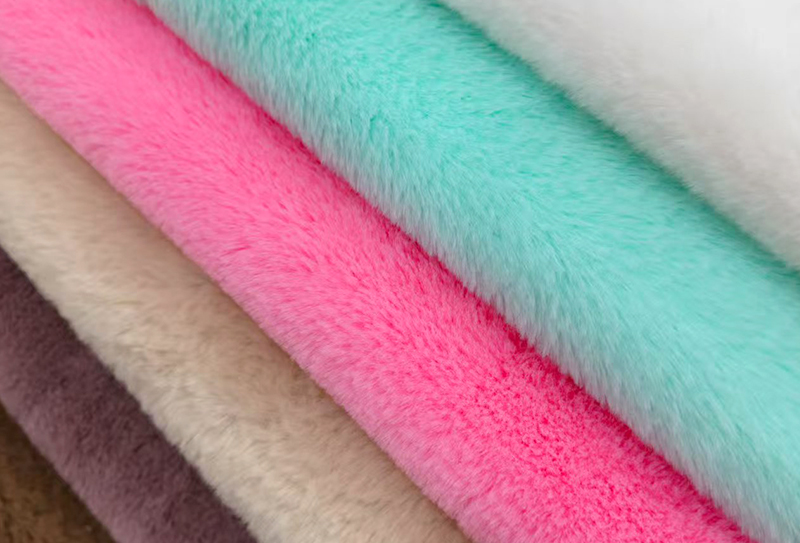
Made from high-quality imitation rabbit fur, this 480mg*160cm rabbit fur plush fabric is soft, warm, and breathable, making it suitable for plush toys, home decor, and children's products. Its soft an...
See Details -
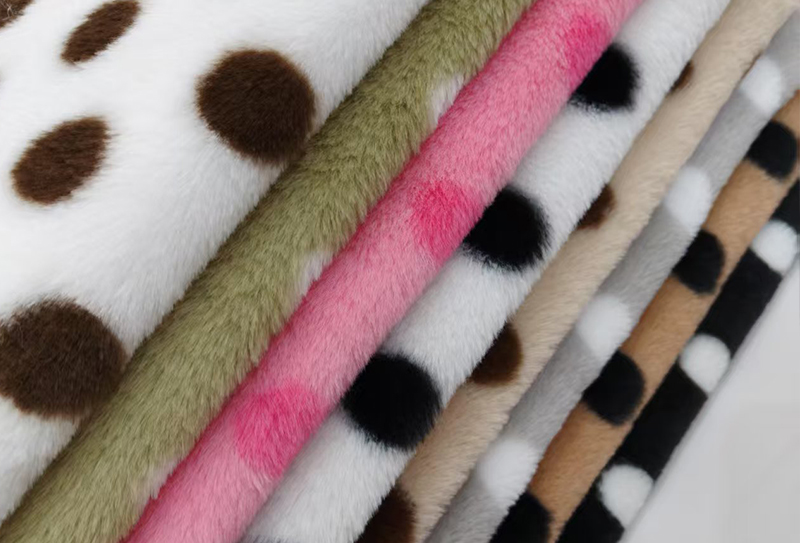
The 500g/160cm rabbit fur printed polka dot fabric uses printing technology to create a three-dimensional and full polka dot pattern on a high-quality imitation rabbit fur base fabric. The medium-thic...
See Details -
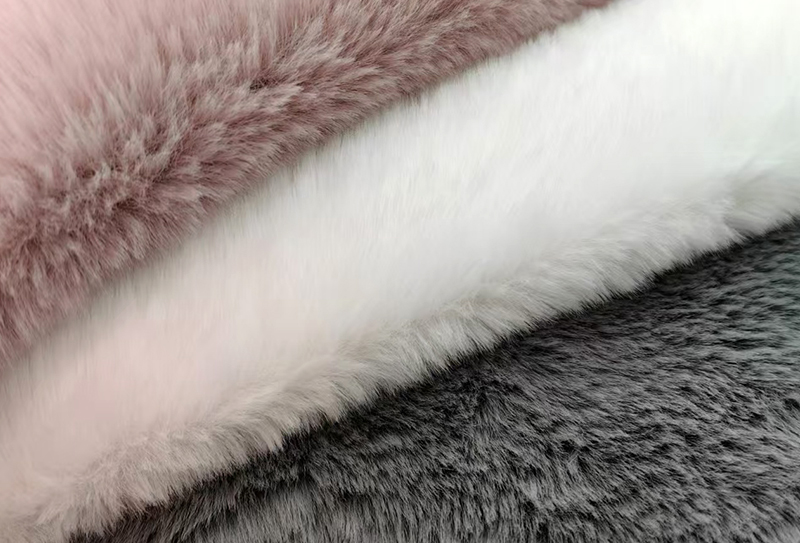
This 800mg x 160cm Rex rabbit fur plush fabric is a high-quality plush fabric with a low weight and a long pile height of 13-15mm. Soft, warm, and durable, it is widely used in clothing, shoes, hats, ...
See Details -
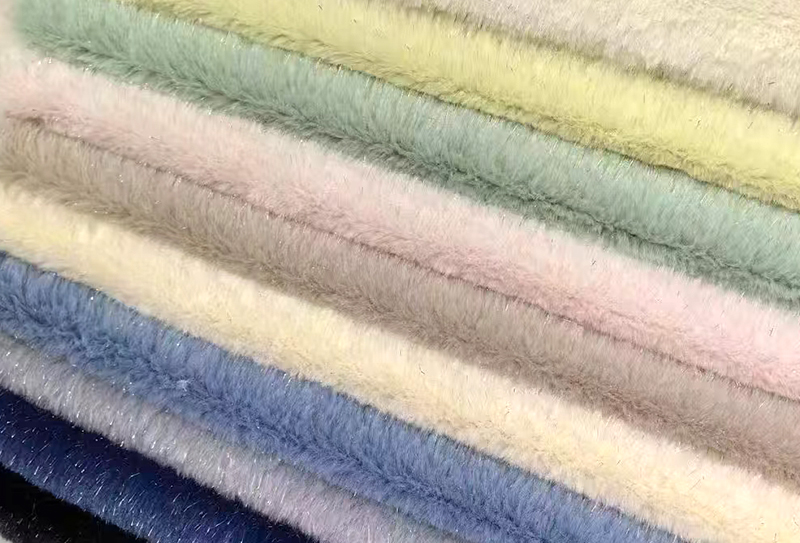
This 550g*160cm silver rabbit fur fabric combines the luster of silver thread with the softness and warmth of rabbit fur, offering both decorative and practical applications. It's suitable for clothin...
See Details
Contact us
 1027, Floor 1, Zone 1, Beilian Market, China Textile City, Keqiao District, Shaoxing City, Zhejiang Province, China
 +86-159 8821 9333

Copyright © Shaoxing Wanyi Textile Co., Ltd. All Rights Reserved
Custom Soft Faux Fur Fabric, Sherpa Fleece Material Manufacturers
