
 English
 中文简体
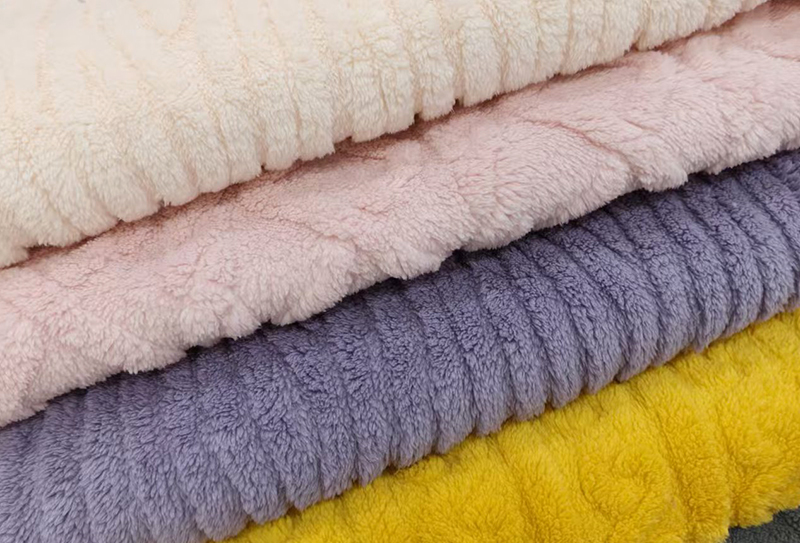
中文简体This 280gsm*185cm double-sided 3D jacquard comfortable cotton velvet fabric utilizes an innovative double-sided weaving process, creating distinct 3D jacquard patterns on both sides. The 280g/m weight...
See DetailsThree-dimensional Brush Flowers Fabric Applications: From Runway to Render
Content
- 1 Introduction: The Versatility of Three-dimensional Brush Flowers Fabric
- 2 Fashion and Apparel Design
- 3 Interior Décor and Home Textiles
- 4 Digital 3D Modeling and Virtual Design
- 5 Frequently Asked Questions
- 5.0.1 Q1: What is the most common use for Three-dimensional Brush Flowers Fabric?
- 5.0.2 Q2: Why do interior designers prefer this fabric for upholstery?
- 5.0.3 Q3: How does the digital version of this fabric differ from physical material?
- 5.0.4 Q4: What makes Three-dimensional Brush Flowers Fabric different from embroidered floral fabric?
- 5.0.5 Q5: Can this fabric be used for outdoor furniture?
Introduction: The Versatility of Three-dimensional Brush Flowers Fabric
Three-dimensional Brush Flowers Fabric has emerged as a transformative textile innovation that bridges the gap between traditional flat prints and fully dimensional embellishments. Unlike conventional printed florals that remain two-dimensional, this fabric category creates raised, tactile floral patterns that respond dynamically to light and movement. The distinctive brushstroke technique produces painterly effects with visible texture, making each floral element appear hand-applied rather than mechanically printed.
The growing popularity of this fabric across multiple industries stems from its unique ability to combine artistic expression with practical durability. Designers and creators have discovered that the dimensional quality adds visual depth while maintaining the flexibility needed for garments, furnishings, and digital applications. This article examines the primary applications of Three-dimensional Brush Flowers Fabric, exploring how different sectors leverage its distinctive characteristics.
Fashion and Apparel Design
The fashion industry represents the most prominent application domain for Three-dimensional Brush Flowers Fabric. Designers increasingly turn to this textile for its ability to create couture-level visual impact without the weight and stiffness associated with heavily embroidered fabrics.
Evening Wear and Special Occasion Garments
Evening gowns, cocktail dresses, and formal wear benefit significantly from the dimensional floral effect. The raised brushstroke patterns catch stage and event lighting, creating a shimmering, layered appearance that flat prints cannot replicate. Designers often select this fabric for red carpet designs and bridal collections where visual drama is essential. The fabric's ability to maintain its dimensional quality through multiple wears makes it particularly suitable for rental and special occasion markets.
Ready-to-Wear Collections
Contemporary fashion houses have incorporated Three-dimensional Brush Flowers Fabric into seasonal ready-to-wear lines. Spring and summer collections frequently feature this textile in:
- Flowing midi dresses with all-over floral patterns
- Statement blouses with concentrated floral accents on sleeves or bodices
- Lightweight jackets and kimono-style wraps
- Resort wear and vacation-oriented separates
The fabric's breathability and moderate weight make it suitable for warmer-weather garments while maintaining the visual sophistication expected of designer pieces.
Luxury Resort and Vacation Wear
High-end resort collections have embraced Three-dimensional Brush Flowers Fabric for its ability to convey effortless elegance. The painterly quality evokes a handcrafted aesthetic that aligns with the luxury travel market's preference for artisanal details. Designers creating capsule collections for tropical destinations often select pastel and cream-toned variations that complement natural light and outdoor settings.
Designer Insight: The dimensional brushstroke effect allows designers to achieve a hand-embellished aesthetic while maintaining production efficiency. Unlike traditional embroidery or appliqué, which requires significant labor hours, the brush technique creates visual depth through the printing process itself, enabling luxury aesthetics at accessible price points.
Interior Décor and Home Textiles
The interior design sector has rapidly adopted Three-dimensional Brush Flowers Fabric for its ability to add tactile interest and artistic character to living spaces. The fabric's durability and visual versatility make it suitable for both residential and commercial applications.
Upholstery and Furniture Coverings
Statement furniture pieces benefit from the dimensional floral pattern, which adds visual weight without overwhelming a room's design scheme. Accent chairs, ottomans, and headboards covered in this fabric become focal points that blend artistic expression with functional comfort. The fabric's resilience ensures it maintains its appearance through regular use, with the raised floral elements showing minimal flattening over time.
Curtains and Window Treatments
Window coverings made from Three-dimensional Brush Flowers Fabric create dramatic light effects as sunlight filters through the dimensional patterns. The raised brushstroke elements cast subtle shadows that change throughout the day, adding a dynamic quality to interior spaces. Designers often pair sheer versions with heavier backing fabrics to achieve both privacy and light modulation.
Decorative Accents and Soft Furnishings
Smaller interior applications include:
- Throw pillows and cushion covers with concentrated floral patterns
- Decorative blankets and throws
- Table runners and placemats for special occasions
- Bedding ensembles and duvet covers
The fabric's ease of care and stain resistance, particularly in waterproof-treated versions, makes it practical for high-use items like dining chair cushions and children's room accents.
Commercial Hospitality Spaces
Boutique hotels and upscale restaurants have incorporated Three-dimensional Brush Flowers Fabric into their interior schemes. The textile's sophisticated appearance aligns with hospitality design trends favoring textural, artisanal materials. Common applications include banquet seating, reception area furnishings, and feature wall panels where the fabric is stretched over frames for a sculptural effect.
| Application Area | Typical Fabric Weight | Key Considerations |
|---|---|---|
| Residential Upholstery | Medium (250-350 gsm) | Stain resistance, colorfastness |
| Curtains & Drapes | Light to Medium (150-280 gsm) | Light filtration, drape quality |
| Hospitality Furnishings | Heavy (300+ gsm) | Durability, commercial-grade cleaning |
| Decorative Accents | Variable | Pattern scale relative to item size |
Digital 3D Modeling and Virtual Design
The digital realm has become a significant application area for Three-dimensional Brush Flowers Fabric, driven by the growth of virtual fashion, game development, and architectural visualization. Digital artists and 3D modelers rely on high-quality texture packs to achieve realistic floral effects in virtual environments.
Virtual Fashion and Digital Garment Creation
Digital fashion designers use Three-dimensional Brush Flowers Fabric textures to create realistic virtual garments for online retail, fashion shows, and digital avatars. The seamless PBR (Physically Based Rendering) textures available in 4K resolution enable accurate simulation of how the fabric responds to lighting, movement, and drape. Software like C4D, Blender, and Marvelous Designer commonly support these textures, allowing designers to preview garment behavior before physical production.
Game Asset Creation
Game developers incorporate Three-dimensional Brush Flowers Fabric textures into character costumes, environmental props, and virtual world elements. The textures' seamless tiling capability ensures consistent appearance across large surface areas, while the detailed normal and displacement maps create convincing depth that enhances player immersion.
Architectural Visualization
Architects and interior designers use these textures to populate virtual room renderings with realistic soft furnishings. The ability to accurately simulate fabric drape and brushstroke relief helps clients visualize final results, reducing the gap between design concepts and installed spaces. This application has grown alongside the demand for immersive 3D walkthroughs in residential and commercial projects.
Frequently Asked Questions
Q1: What is the most common use for Three-dimensional Brush Flowers Fabric?
The most common application is in women's fashion, particularly evening wear, bridal gowns, and luxury resort collections. Its dimensional brushstroke pattern adds couture-level visual interest without the weight of heavy embroidery, making it a favorite for special occasion garments.
Q2: Why do interior designers prefer this fabric for upholstery?
Interior designers appreciate the fabric's ability to add tactile depth and artistic character to furniture. The raised floral pattern creates a handcrafted look, while the textile's durability and stain-resistant treatments make it practical for high-use seating and accent pieces.
Q3: How does the digital version of this fabric differ from physical material?
Digital textures replicate the visual and surface properties of the physical fabric using PBR maps (diffuse, normal, displacement). While they can simulate lighting and depth convincingly, the digital version lacks the true tactile feel, though it enables virtual prototyping and game asset creation with high realism.
Q4: What makes Three-dimensional Brush Flowers Fabric different from embroidered floral fabric?
Embroidery involves thread stitched into the fabric, creating a denser, heavier texture. Brush flower fabric achieves a raised effect through specialized printing or finishing processes, resulting in a lighter, more flexible material with a painterly, watercolor-like aesthetic that is often more cost-effective.
Q5: Can this fabric be used for outdoor furniture?
Yes, when treated with UV-resistant and water-repellent finishes, certain variants are suitable for covered outdoor spaces. However, for full-exposure outdoor use, it is recommended to verify the fabric's specific performance ratings, as standard versions are designed primarily for interior and fashion applications.
application guide
Hot News
-
-
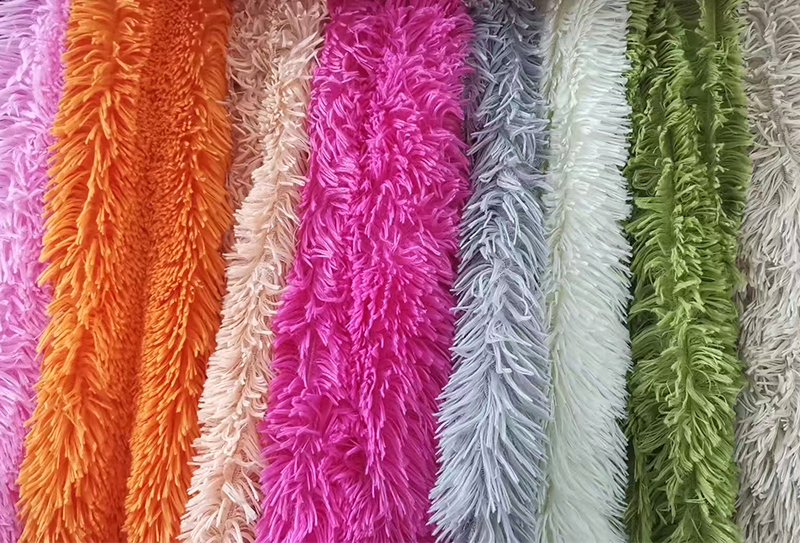
This 290gsm*165cm Haipai velvet fabric is easy to care for and 30mm thick, making it suitable for clothing, toys, pet beds, blankets, and other decorative applications. Its excellent wear resistance a...
See Details -
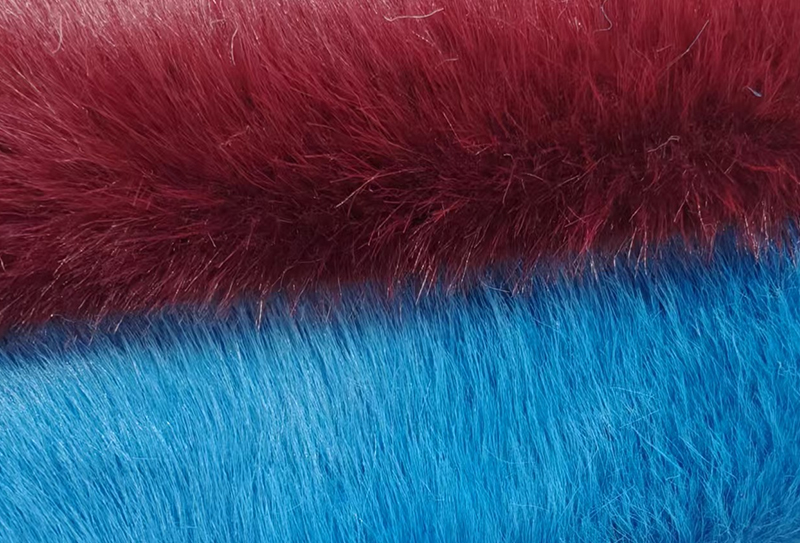
This 800mg*185cm Platinum Mink Faux Fur fabric is made from imitation mink fibers with a soft hand and a natural sheen, resembling the feel of real mink. The 800g/m2 weight ensures the fabric maintain...
See Details -
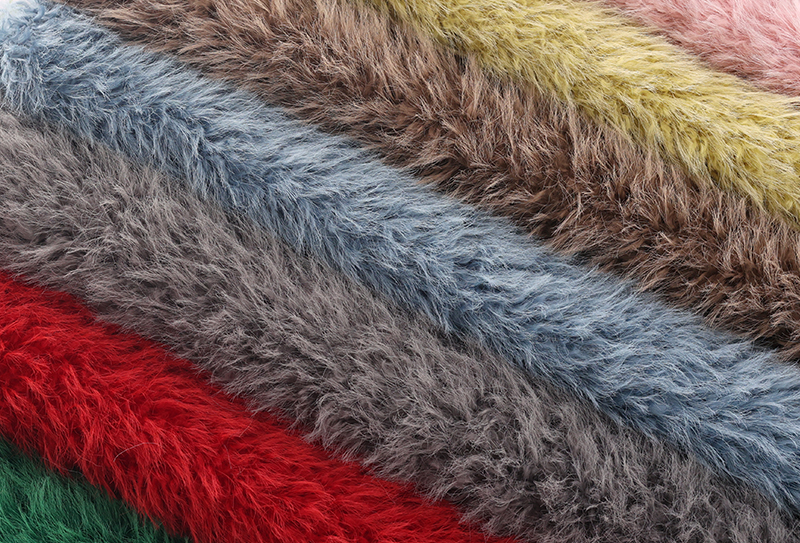
This 700g x 160cm Guifei Toka imitation fox fur fabric utilizes biomimetic fiber technology to mimic the fluffiness and smoothness of real fox fur. The medium weight of 700g/cm creates a fluffy feel w...
See Details -
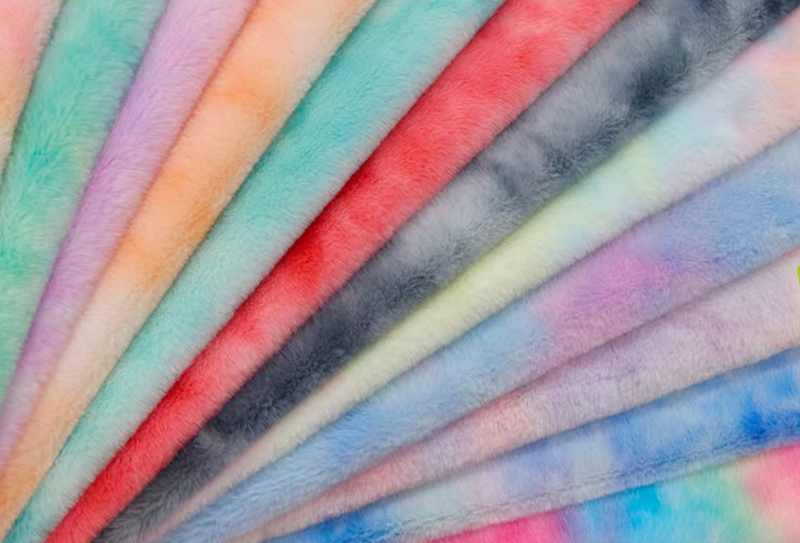
This 450g/165cm tie-dye printed rabbit fur fabric utilizes innovative digital inkjet technology to create an artistic tie-dye gradient effect on a base fabric that mimics rabbit fur. The lightweight 4...
See Details -
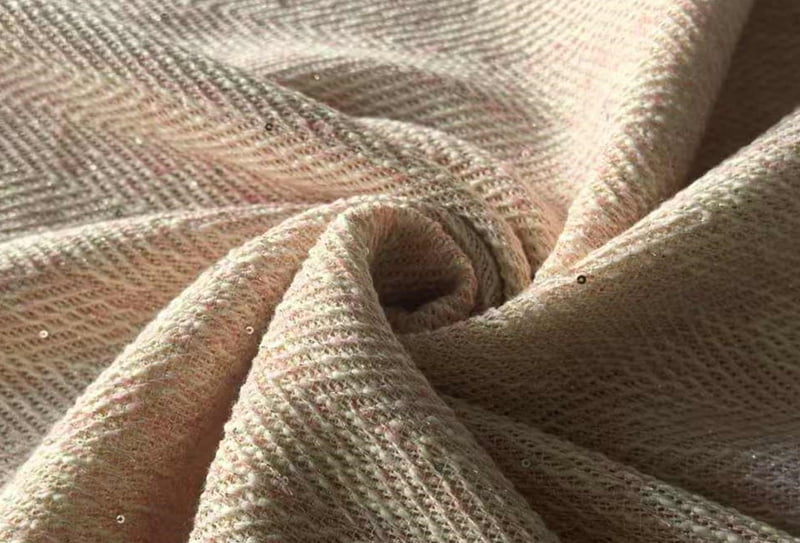
This 370g/148cm polyester tweed fabric (Article No. 980240) utilizes a high-end sequin lamination process, incorporating delicate sequins into a classic Chanel-inspired texture. Its medium weight of 3...
See Details
Contact us
 1027, Floor 1, Zone 1, Beilian Market, China Textile City, Keqiao District, Shaoxing City, Zhejiang Province, China
 +86-159 8821 9333

Copyright © Shaoxing Wanyi Textile Co., Ltd. All Rights Reserved
Custom Soft Faux Fur Fabric, Sherpa Fleece Material Manufacturers
