
 English
 中文简体
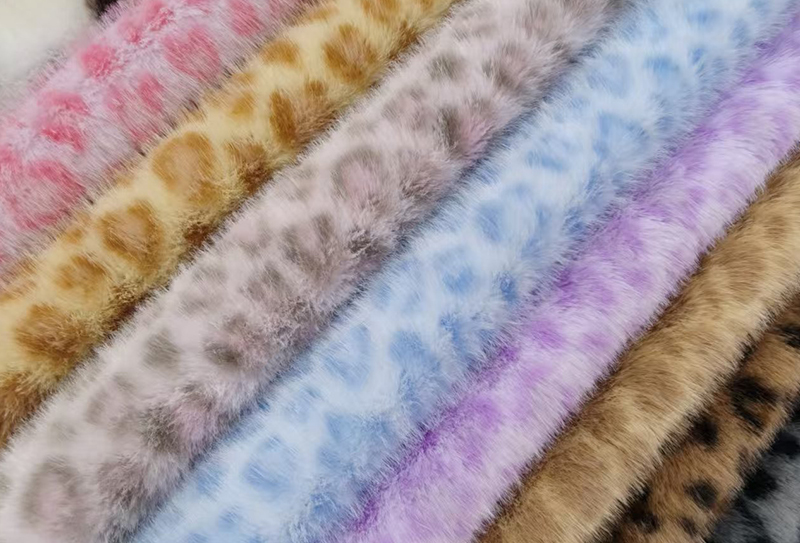
中文简体The 700g/170cm mink print leopard plush fabric uses an innovative printing process to create a wild leopard pattern on a mink-like base fabric through high-definition digital printing. The high weight...
See DetailsWhat Are the Best Uses for Large Particles Plush Fabric?
Content
- 1 Primary Applications in Home Textiles
- 2 Technical Specifications for Application Selection
- 3 Performance in Specialty and Outdoor Uses
- 4 Comparison with Other Plush Types
- 5 Maintenance and Longevity Considerations
- 6 Frequently Asked Questions
- 6.0.1 Q1: What is the best use for large particles plush fabric?
- 6.0.2 Q2: How does large particle plush compare to microfiber for blankets?
- 6.0.3 Q3: Can large particles plush fabric be used for outdoor cushions?
- 6.0.4 Q4: Why is the weight (gsm) important for this fabric?
- 6.0.5 Q5: Is large particle plush fabric difficult to sew?
Understanding the distinct texture and performance of Large Particles Plush Fabric is the first step to selecting it for the right application. This fabric is defined by its chunky, clearly defined pile structure, which differs significantly from finer microfleece or standard plush. The individual "particles" or tufts are typically formed by thick yarns, often with a linear density exceeding 300 dtex, resulting in a heavier, more textured surface [citation:3]. This construction provides a unique combination of durability, thermal insulation, and tactile appeal that makes it suitable for specific, high-impact uses.
Primary Applications in Home Textiles
The most popular use of this fabric is in creating cozy, high-comfort home goods. Its weight and structure make it a premium choice for items that benefit from both visual appeal and functional warmth.
Luxury Throws and Weighted Blankets
Large particle plush is a preferred material for premium throw blankets. Its pile height (often 8-12mm) traps air effectively, providing superior insulation compared to smoother fabrics. With a weight ranging from 220 to 350 gsm, it offers a substantial feel that is ideal for weighted blankets, providing a sense of security without excessive bulk [citation:2]. The texture also hides creases and maintains a "fluffy" appearance even after folding, which is a key advantage for decorative throws.
Durable Robes and Loungewear
For loungewear, particularly robes, the fabric's high abrasion resistance (often exceeding 15,000 cycles in Martindale tests) ensures longevity even with frequent wear [citation:4]. Unlike microfiber plush, which can mat down, the large particle structure retains its loft. A study on plush knitwear shows that the breaking load along the length can reach 317.4N, indicating strong resistance to tearing during daily movement [citation:4]. This makes it suitable for heavy-duty robes used in spas or hotels.
Protective Pet Beds and Covers
The durability and resistance to pilling make large particle plush an excellent choice for pet products. The dense pile provides cushioning and warmth for animals. Furthermore, the fabric's structure allows for easy spot cleaning, and the texture is less appealing for pets to chew aggressively compared to flat fleece. Its anti-static properties, noted in technical specifications, also help in reducing pet hair cling, making maintenance easier [citation:2].
Technical Specifications for Application Selection
Choosing the right variant of large particle plush depends on the specific demands of the use case. The following table contrasts key technical parameters for different applications.
| Application | Recommended Weight (gsm) | Key Property | Pile Height |
|---|---|---|---|
| Luxury Throw | 280 - 350 gsm | Thermal Retention | Medium-High (10-12mm) |
| Weighted Blanket | 300 - 350 gsm | Density & Drape | Medium (8-10mm) |
| Robes & Loungewear | 220 - 280 gsm | Abrasion Resistance | Low-Medium (6-8mm) |
| Pet Accessories | 250 - 300 gsm | Durability / Anti-Static | Medium (7-9mm) |
Performance in Specialty and Outdoor Uses
Beyond indoor comfort, the structural integrity of large particle plush opens up more demanding applications where thermal regulation and resilience are critical.
Insulating Lining for Outerwear
Data from plush knitwear studies indicate that this fabric exhibits excellent heat-protective properties, making it a viable lining for heavy winter coats and accessories [citation:4]. The volumetric density of the fabric contributes to a stable microclimate, trapping heat effectively. Additionally, the "form-stable" characteristics noted in technical analyses mean the lining maintains its shape and does not sag after repeated use, which is a common issue with lighter plush materials [citation:4].
Technical Insight: The pre-setting process (tenter setting) is crucial for applications requiring dimensional stability. It "anchors" the pile, improving resistance to mechanical tensile stresses and reducing edge-cutting waste, making it more viable for precise pattern cutting in garment production [citation:3].
Acoustic and Upholstery Panels
The irregular surface of large particle plush creates a natural sound-dampening effect. When used in high-end upholstery or decorative acoustic panels, the variable pile height scatters sound waves more effectively than smooth fabrics. This is a niche but growing use in interior design studios and home theaters. Its "heavyweight" classification (over 220 gsm) also adds to its durability in high-contact furniture [citation:2].
Comparison with Other Plush Types
Understanding why large particle plush excels in specific uses requires a direct contrast with its alternatives, such as microfiber plush or standard sherpa.
- Against Microfiber Plush: Microfiber is softer to the touch but lacks the "bounce back" property. It compresses easily and loses loft in high-wear areas. Large particle plush, with its coarser filaments (often >1.5 dtex per filament), offers significantly higher crush resistance and shape retention, making it superior for seat cushions and heavyweight throws [citation:3].
- Against Sherpa: Sherpa is designed for maximum warmth but has a "curly" surface that tends to trap dirt and is difficult to clean. Large particle plush has a more open structure, allowing for easier debris removal and faster drying times. It is a more hygienic choice for pet beds.
- Against Standard Fleece: Standard fleece (like polar fleece) is flat and smooth. While it is durable, it lacks the visual texture and premium aesthetic of large particle plush. The latter provides a more "designer" look, suitable for modern interior decor, whereas fleece is often perceived as purely functional.
Maintenance and Longevity Considerations
To maximize the lifespan of items made from large particle plush, specific care protocols must be followed.
- Washing: Cold water (30°C) and a gentle cycle are non-negotiable. The high-density pile absorbs water, and agitating it in hot water can cause shrinkage of up to 8.2% in length [citation:4].
- Drying: Low heat or air drying is recommended. The thick polyester yarns can take longer to dry, but high heat risks melting the tips of the "particles," leading to a hardened, uncomfortable texture.
- Shedding: Initial shedding may occur due to loose fibers from the shearing process. Regular brushing with a wide-toothed pet brush can restore the pile direction and remove dust without damaging the base weave [citation:3].
Frequently Asked Questions
Q1: What is the best use for large particles plush fabric?
The best use depends on the weight, but it is most valued for luxury throws, durable robes, and pet bedding due to its warmth, high abrasion resistance (often exceeding 15,000 cycles), and dimensional stability [citation:4].
Q2: How does large particle plush compare to microfiber for blankets?
Microfiber is softer initially but mats easily. Large particle plush maintains its loft and visual structure longer, providing better thermal retention and resistance to crushing under weight, making it more suitable for heavy blankets.
Q3: Can large particles plush fabric be used for outdoor cushions?
While it offers excellent durability, it is primarily recommended for indoor use. While some variants are treated for anti-static properties, they are not inherently water-resistant, which is essential for outdoor applications [citation:2].
Q4: Why is the weight (gsm) important for this fabric?
Weight determines the application. Higher weights (300+ gsm) are warmer and more durable, ideal for floor blankets or upholstery. Lower weights (220-280 gsm) are lighter, better for wearable items like robes.
Q5: Is large particle plush fabric difficult to sew?
Yes, its thickness can challenge domestic machines. Professionals recommend using a walking foot and a longer stitch length (3-4mm) to handle the high pile height and prevent tension issues.
Hot News
-
-
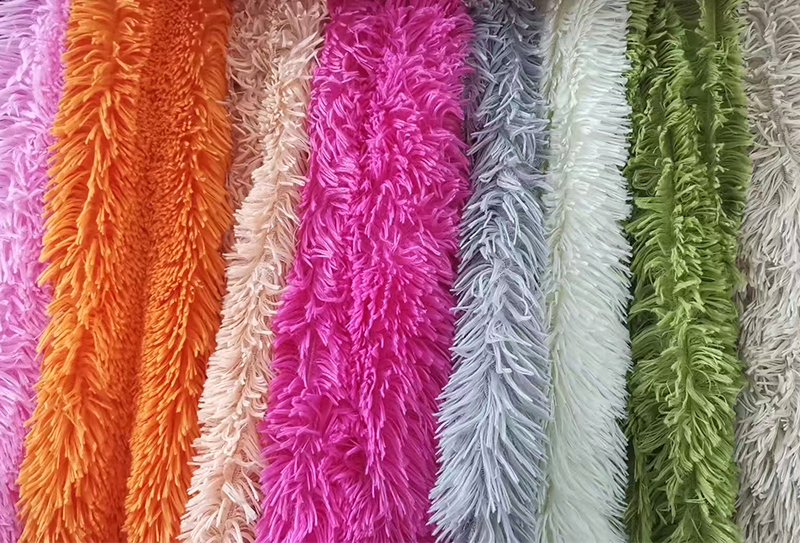
This 290gsm*165cm Haipai velvet fabric is easy to care for and 30mm thick, making it suitable for clothing, toys, pet beds, blankets, and other decorative applications. Its excellent wear resistance a...
See Details -
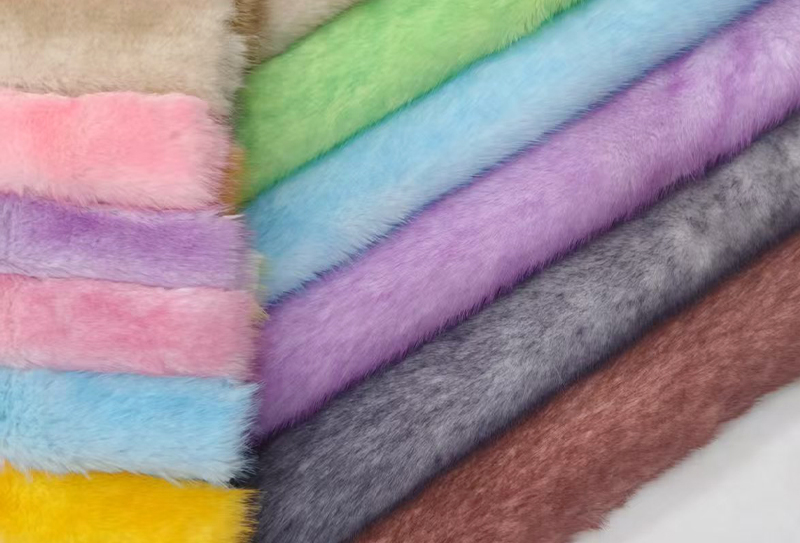
This 700g thickened, 165cm rainbow mink imitation fox fur fabric utilizes a gradient dyeing technique to create a naturally transitioning rainbow effect. The high-density base fabric combined with the...
See Details -
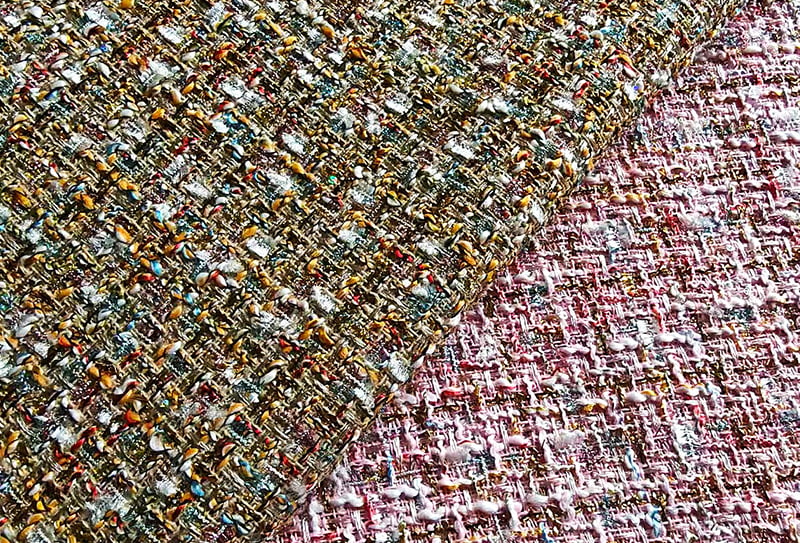
This 450g/148cm tweed fabric (item 1722) features a woven composite of gold and silver threads and sequins. Its thickened 450g/m weight imparts exceptional stiffness, while its 148cm width is optimize...
See Details -
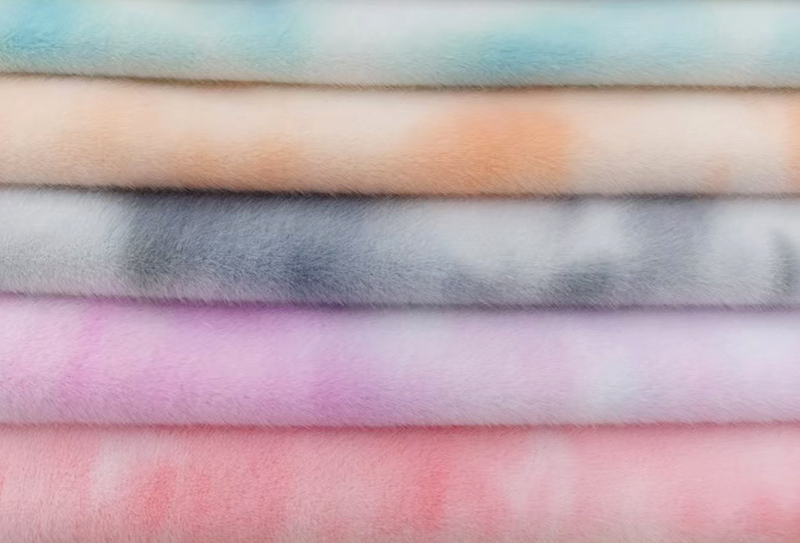
This 550g/160cm European mink tie-dyed plush fabric uses a tie-dye printing process to create an artistic gradient effect. Its medium-heavy 550g/m weight provides a rich feel, while its 160cm width al...
See Details -
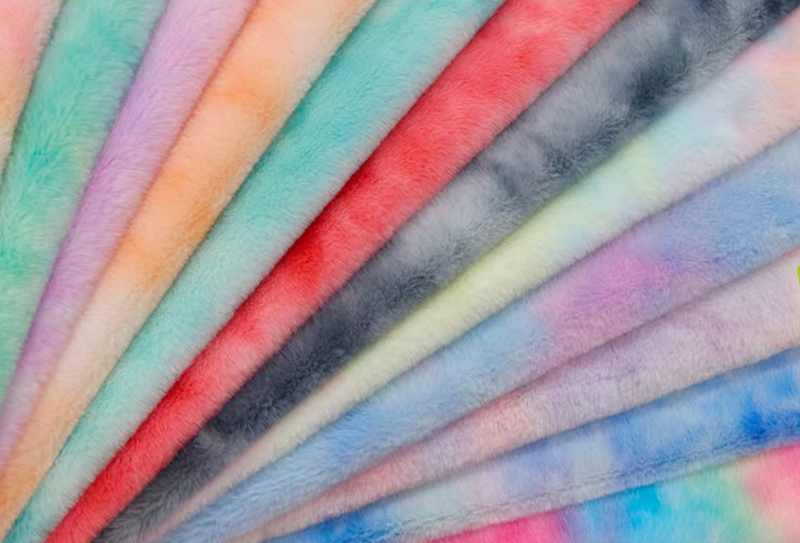
This 450g/165cm tie-dye printed rabbit fur fabric utilizes innovative digital inkjet technology to create an artistic tie-dye gradient effect on a base fabric that mimics rabbit fur. The lightweight 4...
See Details
Contact us
 1027, Floor 1, Zone 1, Beilian Market, China Textile City, Keqiao District, Shaoxing City, Zhejiang Province, China
 +86-159 8821 9333

Copyright © Shaoxing Wanyi Textile Co., Ltd. All Rights Reserved
Custom Soft Faux Fur Fabric, Sherpa Fleece Material Manufacturers
