
 English
 中文简体
中文简体This 1100mg*165cm plush rabbit fur fabric feels as smooth and delicate as real rabbit fur, boasting a rich, soft, and skin-friendly texture. Its generous weight and high grammage provide a thick, warm...
See DetailsWhat Is Large Particles Plush Fabric?
Content
Defining the Texture: Characteristics of Large Particles Plush
Large particles plush fabric represents a sophisticated evolution within the textile category of plush, distinguished by its pronounced, three-dimensional surface texture. Unlike standard plush or velvet, which offers a uniformly smooth and dense pile, this fabric features a tactile landscape of varied, raised "particles" or clusters. This effect is achieved through advanced manufacturing techniques, such as specialized computerized brushing, precision shearing, or innovative weaving patterns that create intentional, irregular pile heights. The result is a material that captures and reflects light dynamically, providing a visual depth and a uniquely soft, cloud-like hand feel that is both luxurious and contemporary.
The defining characteristics make it suitable for applications where sensory experience and visual impact are paramount. Its texture is not merely decorative; it enhances the material's functional properties.
- Visual Depth: Creates a multi-tonal, organic appearance that hides seams and minor wear more effectively than flat textiles.
- Enhanced Tactility: Offers a softer, more inviting touch due to the varied pile, which reduces surface tension.
- Durability: The textured surface can be more resistant to showing crushing and footprints in upholstery applications.
- Design Versatility: The "particle" size and pattern can be engineered, ranging from subtle pebbling to bold, dramatic clusters.
Primary Applications: Where This Fabric Excels
The unique properties of large particles plush fabric have led to its adoption in design-centric industries that prioritize both aesthetics and comfort. Its ability to transform a simple piece into a statement item is unparalleled. In the realm of interior design, it has moved beyond accent pieces to become a primary material for defining a space's character. For fashion and specialty products, it provides a distinctive texture that sets brands apart in a crowded marketplace. The fabric's popularity is particularly pronounced in markets with a strong design culture, such as North America and Europe, where consumers and manufacturers alike seek materials that offer a blend of novelty, luxury, and performance.
Elevating Interiors: Large Particles Plush Fabric for Sofa Upholstery
One of the most significant applications is in high-end residential and commercial furniture, specifically as large particles plush fabric for sofa upholstery. This is not a casual trend but a response to the demand for furniture that serves as both a comfortable retreat and a sculptural art piece. Designers specify this fabric to add instant texture and warmth to a living space. Beyond its beauty, it serves practical needs: the dense, textured pile is inherently more forgiving of daily use, resisting the appearance of stains and wear patterns that are more visible on smooth velvets. For a company like Zhejiang Shaoxing Wanyi Textile Technology Co., Ltd., with deep expertise in plush series, supplying this fabric involves ensuring it meets rigorous performance standards for abrasion resistance and colorfastness, crucial for the demanding U.S. and European furniture markets.
Fashion and Specialty Uses
Beyond interiors, this fabric is a favorite in the fashion industry for statement coats, trim, hats, and luxury accessories. Its rich texture adds volume and interest without excessive weight. It is also extensively used in the production of premium plush toys, automotive interior accents, and high-end packaging, where a tactile unboxing experience is valued.
Sourcing and Customization: From Bulk to Bespoke
Navigating the sourcing landscape for large particles plush fabric requires understanding the distinct pathways for standardized bulk procurement and specialized custom creation. The global supply chain, centered in hubs like Asia's Keqiao district, offers efficiencies for volume orders but demands careful vetting for quality consistency. Conversely, the growing demand for brand differentiation has made customization a key service offered by forward-thinking manufacturers. This dual approach allows buyers to source cost-effective standard options for core product lines while developing proprietary, branded textures for flagship items, ensuring a competitive edge in markets from India to Russia.
For businesses looking to procure wholesale large particle velvet fabric, several critical factors determine success. Price is a primary driver, but it must be evaluated alongside consistency, logistical reliability, and technical support.
- Minimum Order Quantities (MOQs): Understanding a supplier's MOQ is essential for inventory planning and cost calculation.
- Quality Consistency: Bulk orders require absolute consistency in color, texture, and weight across multiple batches and production runs.
- Supply Chain Transparency: Partners with integrated control over production, like Wanyi Textile, which operates from the Keqiao North Link Market, can offer greater transparency and reliability in lead times.
Unleashing Creativity with Custom Large Particle Faux Fur Fabric
The process of developing custom large particle faux fur fabric is a collaborative journey between designer and manufacturer. It begins with a concept—a desired hand feel, visual effect, or performance requirement—which is then translated into technical specifications. A specialist manufacturer will work on creating sample loom runs, adjusting variables such as fiber blend (e.g., polyester for durability, acrylic for softness), pile height distribution, and backing strength. This service is invaluable for fashion houses or furniture brands aiming to create a signature look that is legally protected and impossible for competitors to replicate directly, offering the ultimate in market differentiation.
| Aspect | Wholesale/Bulk Sourcing | Custom Fabric Development |
| Primary Goal | Cost-effective procurement of established, standard designs. | Creation of a unique, proprietary material for brand differentiation. |
| Lead Time | Relatively shorter, based on stock or standard production schedules. | Longer, involving multiple sampling and approval rounds (can be 8-16 weeks). |
| Cost Structure | Lower per-unit cost due to scale, but less flexibility. | Higher initial development cost, but potential for greater brand value and margin. |
| Best For | Core product lines, large-volume upholstery projects, trading companies. | High-end fashion, designer furniture, luxury goods, and brand-specific collections. |
Choosing Your Manufacturing Partner
Selecting the right soft large particles plush fabric manufacturer is a strategic decision that impacts product quality, supply chain stability, and brand reputation. A manufacturer is more than a vendor; they are a technical partner whose capabilities determine what is possible in your designs. The ideal partner possesses not just the machinery, but the accumulated craftsmanship—often over decades—to consistently execute complex textures. They should offer a vertically integrated process, from yarn selection and fabric design to finishing and quality control, ensuring accountability at every stage. This is especially critical when exporting to discerning markets with strict compliance standards, where a manufacturer's commitment to social responsibility and sustainable development is increasingly part of the evaluation criteria.
The Sustainable Choice in Modern Textiles
The textile industry is undergoing a green transformation, and the demand for eco-friendly large particle plush material is at the forefront of this shift. Sustainability is no longer a niche concern but a core specification for major brands and OEMs, particularly in Europe and North America. An eco-friendly version of this fabric can involve several approaches: using recycled PET fibers as the base material, implementing water-saving dyeing technologies, ensuring the entire production process is free from harmful substances (certified by standards like Oeko-Tex 100), and designing for end-of-life recyclability. Manufacturers who proactively invest in these practices, such as Zhejiang Shaoxing Wanyi Textile Technology Co., Ltd. with its emphasis on sustainable operations, are not just reducing environmental impact; they are future-proofing their business and providing their partners with a compelling marketing and compliance advantage.
FAQ
How durable is large particles plush fabric for everyday furniture use?
Durability is a common concern, and rightly so. When sourced for upholstery, high-quality large particles plush fabric is engineered for endurance. Key indicators include:
- Abrasion Resistance (Martindale Test): Look for fabrics rated above 30,000 rubs for residential heavy use. Commercial grades should be significantly higher.
- Pile Density: A denser base fabric (higher GSM - grams per square meter) generally indicates better resilience and longevity.
- Fiber Type: High-tenacity polyester is commonly used for its excellent wear and stain resistance. The textured surface also helps disguise minor wear over time.
Always request technical datasheets from your manufacturer to verify these specifications for your intended project.
What's the difference between large particle plush and crushed velvet?
While both are textured velvets, they are created differently and have distinct looks.
| Feature | Large Particle Plush | Crushed Velvet |
| Formation Process | Created by weaving/shearing to form raised, clustered piles. | Created by mechanically twisting or pressing the wet pile in different directions after dyeing. |
| Visual Effect | Three-dimensional, organic "particle" or cloud-like clusters. | A lustrous, multi-directional shine with a patterned, "crushed" appearance. |
| Texture Feel | Softer, more variable, with a pronounced raised texture. | Smoother to the touch, with the texture being more visual than highly tactile. |
The choice depends on the desired aesthetic: large particle plush offers a more modern, soft-sculptural look, while crushed velvet provides a classic, glamorous sheen.
Can I get a sample before placing a bulk order for custom fabric?
Absolutely, and it is strongly recommended. Reputable manufacturers understand that physical evaluation is non-negotiable. The process typically involves:
- Initial Consultation: Provide your design concept, color requirements, and intended application.
- Sample Development: The manufacturer produces a small "strike-off" or sample yardage based on your specs. There is usually a development fee for custom samples, which may be credited against a future bulk order.
- Evaluation: Assess the sample for color accuracy under different lights, hand feel, weight, drape, and perform any necessary tests (e.g., rub test, light spill). This step is crucial to avoid costly mistakes in full production.
Never proceed to bulk production without approving a physical sample from the exact production run.
Are there hypoallergenic options available in large particle plush?
Yes, this is a growing area of innovation driven by health-conscious consumers. Hypoallergenic properties can be engineered through:
- Fiber Selection: Using high-purity, synthetics that are less likely to harbor dust mites compared to natural fibers, or advanced antimicrobial fibers.
- Finishing Treatments: Applying antimicrobial and anti-dust mite finishes during the fabric's final processing stage.
- Tight Construction: A dense weave or knit prevents allergen penetration deep into the fabric, making it easier to clean superficially.
When sourcing, explicitly request information on hypoallergenic treatments and relevant certifications to ensure the claims are verified for sensitive applications like children's products or healthcare interiors.
Hot News
-
-
This 290gsm*165cm Haipai velvet fabric is easy to care for and 30mm thick, making it suitable for clothing, toys, pet beds, blankets, and other decorative applications. Its excellent wear resistance a...
See Details -
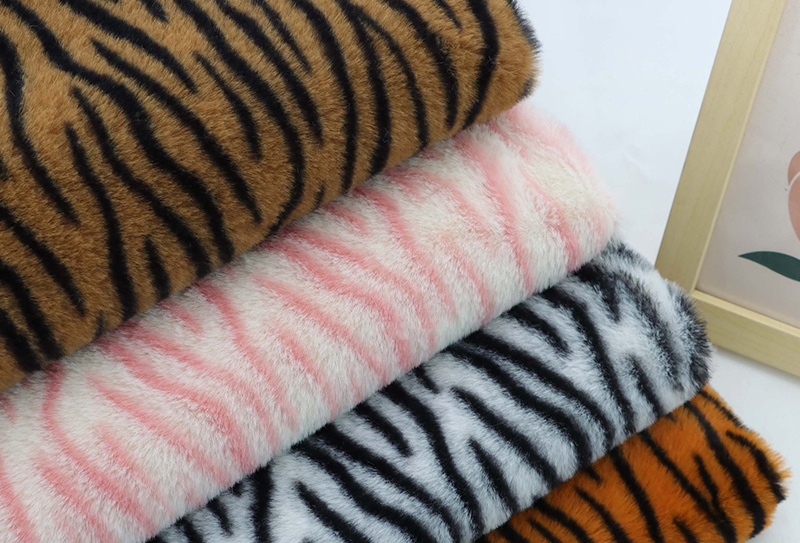
500g/160cm tiger-print rabbit fur print plush fabric uses printing technology to realistically present the wild stripes of tiger stripes on a high-quality imitation rabbit fur base fabric. The medium-...
See Details -
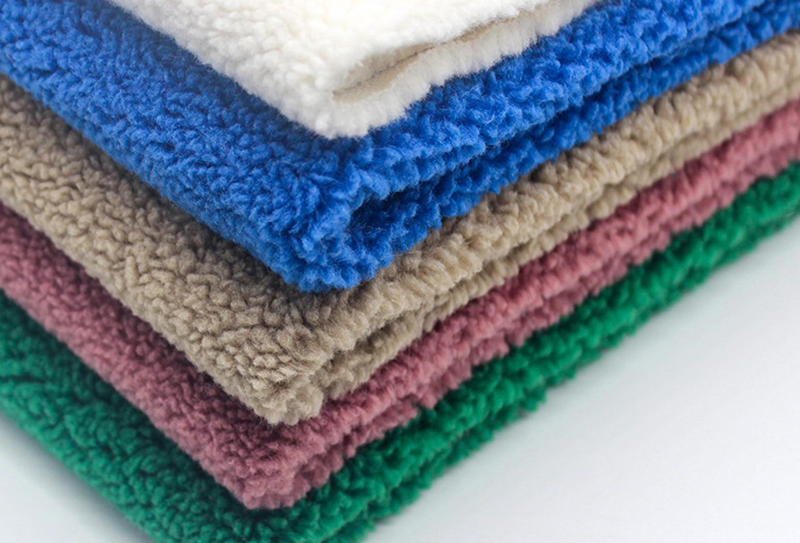
This 750mg*160cm wheat-ear grain plush fabric uses a dyeing process to create a natural, smooth, three-dimensional grain texture resembling wheat ears. The medium-heavy weight of 750g/m2 imparts the f...
See Details -
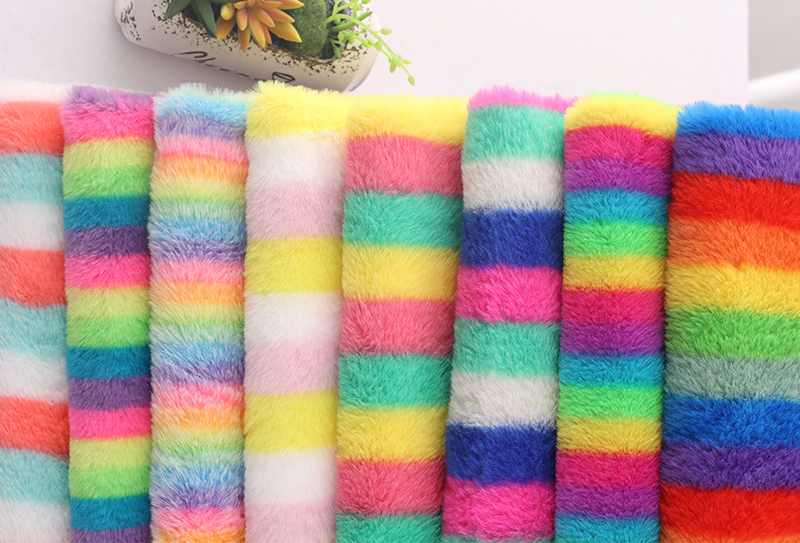
This 500mg*160cm colorful striped rabbit fur print plush fabric features a vibrant, colorful striped pattern on the imitation rabbit fur surface. Its moderate weight of 500g/m2 ensures softness and vo...
See Details -
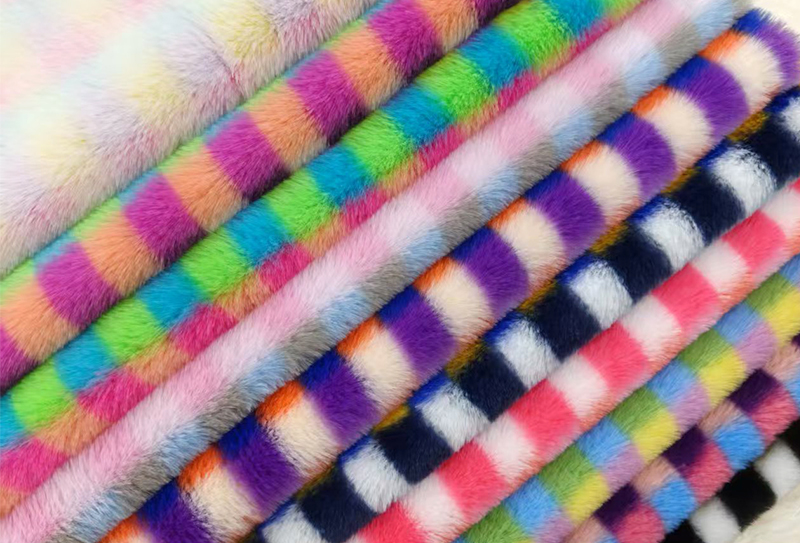
This 500mg*160cm checkered rabbit fur print plush fabric utilizes printing technology to create a clear, rich checkered pattern on the imitation rabbit fur surface. The medium weight of 500g/m ensures...
See Details
Contact us
 1027, Floor 1, Zone 1, Beilian Market, China Textile City, Keqiao District, Shaoxing City, Zhejiang Province, China
 +86-159 8821 9333

Copyright © Shaoxing Wanyi Textile Co., Ltd. All Rights Reserved
Custom Soft Faux Fur Fabric, Sherpa Fleece Material Manufacturers
