
 English
 中文简体
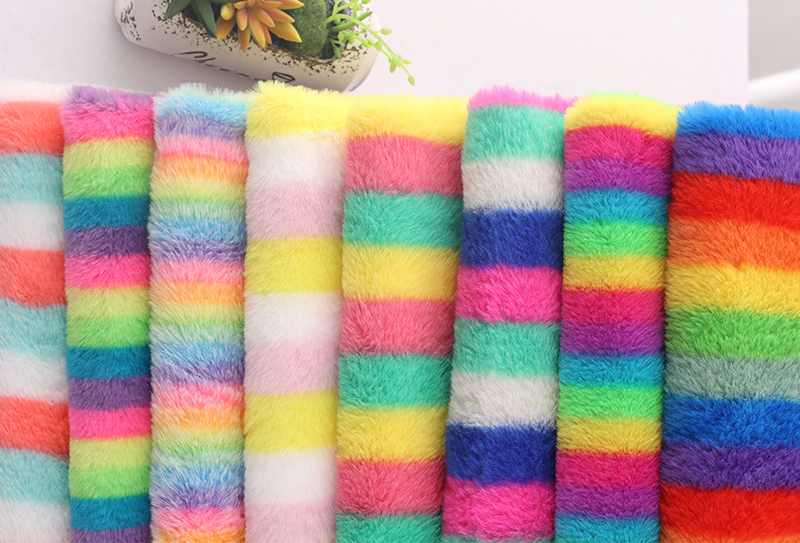
中文简体This 500mg*160cm colorful striped rabbit fur print plush fabric features a vibrant, colorful striped pattern on the imitation rabbit fur surface. Its moderate weight of 500g/m2 ensures softness and vo...
See DetailsWhat is Colorful Printing Plush Fabric Used For?
Content
1. Defining the Material: More Than Just Colorful Fabric
The base fabric is crucial to the final character. Common substrates include velvets (for a luxurious, dense pile), minky (known for its incredibly soft, lightweight, and smooth nap), polyester fleece (for durability and warmth), and even faux fur. Each base interacts differently with ink, affecting the print's sharpness, color vibrancy, and hand feel. Understanding this relationship between print and pile is the first step in selecting the right material for any project, whether for a high-end fashion piece, a child's beloved toy, or stylish home decor.
2. The Engine of Customization: Printing Technologies Explained
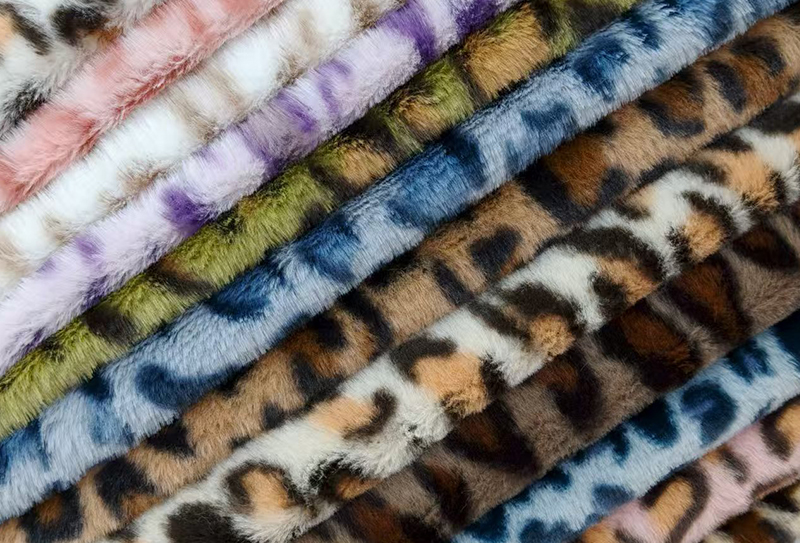
Colorful Printing Plush Fabric
The magic that transforms a roll of plain plush into a colorful printing plush fabric lies in modern printing technology. The choice of printing method directly impacts design complexity, cost efficiency for different order sizes, and the final aesthetic quality. For decades, methods like rotary screen printing dominated for large runs of repeating patterns. However, the demand for customization, short runs, and highly detailed graphics has propelled digital printing to the forefront of the industry. This technological shift has made personalized and small-batch production economically viable, empowering independent designers and brands to bring unique visions to life without the need for massive minimum orders.
Digital Printing on Velvet Plush Fabric: How It Works and Why It’s Dominant
Digital printing on velvet plush fabric operates similarly to a high-fidelity office printer but on an industrial scale and with specialized textile inks. The design is created digitally and sent directly to the printer, which applies microscopic droplets of ink onto the fabric surface. This method has revolutionized the field for several key reasons:
- Unmatched Design Freedom: It can reproduce any digital image—photographs, complex gradients, unlimited colors—without the need for separate screens for each color, making it perfect for one-of-a-kind or highly detailed work.
- Cost-Effectiveness for Short Runs: There are no setup costs for screens, making small batches and custom printed plush fabric for apparel and accessories feasible. This is ideal for market testing, limited editions, or personalized products.
- Speed from Concept to Sample: The digital workflow allows for rapid prototyping. The critical role of physical samples cannot be overstated; they allow designers to verify color accuracy, print clarity, and fabric hand-feel before committing to full production.
For comparison, understanding the traditional alternative is helpful:
| Feature | Digital Printing | Rotary Screen Printing |
| Best For | Complex designs, photos, short to medium runs, rapid sampling. | Simple to moderate patterns, very long production runs (10,000+ meters). |
| Setup Cost & Time | Very low; digital file is ready to print. | High; requires engraving physical screens for each color. |
| Color Limitations | Virtually unlimited (CMYK+ process). | Limited by the number of screens (typically 6-12 colors). |
| Design Changes | Easy and inexpensive between runs. | Difficult and costly; requires new screens. |
3. Industry Spotlight: Primary Applications and Markets
The versatility of printed plush fabric sees it employed in a diverse range of sectors, each with its own set of requirements and standards. From the runway to the nursery, this material solves both aesthetic and functional problems. In fashion, it provides texture and statement-making potential; in the children's market, it combines engaging visuals with essential safety and comfort. The growth of direct-to-consumer brands and e-commerce has further fueled demand for distinctive, wholesale colorful printed minky fabric by the yard, allowing smaller entities to access quality materials for their unique products.
Fashion Forward: Custom Printed Plush Fabric for Apparel and Accessories
In the world of fashion, custom printed plush fabric for apparel and accessories is a tool for differentiation. Designers use it to create standout pieces like bomber jackets, hats, bags, and even footwear. The texture adds a dimensional, luxurious quality that flat printed fabrics cannot match. Applications range from all-over prints on coats to strategic placement on sleeves or collars. The key considerations here are drape (how the fabric falls), durability against wear and abrasion, and of course, the colorfastness of the print to maintain the garment's appearance after multiple wears and cleans.
Safe and Snuggly: Meeting Standards for Colorfast Printed Plush Material for Baby Products
Perhaps no sector has stricter requirements than that for babies and children. Colorfast printed plush material for baby products is non-negotiable. This goes beyond aesthetics to critical safety. Products like security blankets, stuffed toys, and nursery decor are subject to chewing, frequent washing, and exposure to saliva. The prints must use non-toxic, heavy-metal-free inks and demonstrate excellent resistance to crocking (dry and wet rubbing), saliva, and perspiration. Reputable manufacturers and brands ensure compliance with stringent international safety standards such as OEKO-TEX Standard 100, which tests for harmful substances, and ASTM/EN standards for colorfastness, providing peace of mind to parents and retailers.
4. Sourcing for Success: From Design to Delivery
Navigating the supply chain for printed plush requires a clear strategy. Whether you are an independent crafter purchasing small quantities or a brand sourcing for mass production, understanding key market terms and processes is essential. A common and accessible entry point for many is seeking out wholesale colorful printed minky fabric by the yard. This model typically involves purchasing from a supplier or converter who has pre-printed designs on stock, offering lower per-yard costs without the need for custom print setup fees. It's perfect for testing a product idea or for designs that don't require full customization.
- Understanding MOQs: Minimum Order Quantities vary dramatically. Digital printing may have MOQs as low as a single yard for sampling, while wholesale stock may require a 50 to 100-yard minimum. For custom rotary screen printing, MOQs can be in the thousands of yards.
- Lead Times: Stock fabric is fastest. Custom digital printing may take 2-6 weeks including sampling. Traditional screen printing has the longest lead time due to screen production.
- The Sampling Process: Never skip this. A strike-off (sample print) is crucial to check color matching under different lights, print definition, and fabric suitability. There is usually a fee, but it is a vital investment to avoid costly bulk errors.
5. The Sustainable Choice: Aligning with Modern Values
The textile industry is undergoing a green transformation, and printed plush is part of this evolution. An increasing number of brands and consumers are seeking out materials that minimize environmental impact. This has given rise to the importance of partnering with an eco-friendly printed plush fabric manufacturer. Such manufacturers prioritize sustainable practices throughout their production cycle, which can include using GOTS-certified organic cotton or recycled polyester as base fabrics, employing OEKO-TEX certified, water-based or pigment inks that reduce water pollution, and implementing energy-efficient printing processes. Furthermore, they often focus on creating durable, high-quality products that last longer, combating the culture of fast fashion and disposable goods.
FAQ
How do I ensure the colors won’t bleed or fade on my printed plush fabric?
Colorfastness is a result of quality materials and proper processing. To ensure durability:
- Inquire About Inks and Fixation: Ask your supplier if they use pigment or reactive dyes with a proper fixation (steaming or heat-setting) process. This bonds the ink to the fiber.
- Request Test Reports: Reputable manufacturers can provide test results for wash fastness (AATCC 61), crocking (rubbing) fastness (AATCC 8), and light fastness. For baby products, specific tests for saliva and perspiration resistance are crucial.
- Follow Care Instructions: Once you have the fabric, always wash in cold water with a mild detergent, turn the item inside out, and avoid bleach. Tumble dry on low heat or air dry.
Investing in properly tested fabric from the start is the best defense against bleeding and fading.
Can I print a photographic image or a very detailed logo on plush fabric?
Yes, this is one of the key strengths of digital printing on velvet plush fabric. Digital printers excel at reproducing high-resolution images, gradients, and fine details because they apply ink in microscopic droplets without color separation limits. The main consideration is the fabric's pile height. Very short, dense piles (like certain velvets) will yield the sharpest image. Longer, looser piles (like some faux furs) may soften the finest details slightly as the ink settles on the tips of the fibers. Always request a print sample on your exact chosen base fabric to evaluate the clarity and detail reproduction before proceeding with a full order.
What are the current trends in colorful printed plush fabrics?
The market is driven by several strong trends:
- Nostalgia & Maximalism: Bold, retro patterns, cartoon characters from the 90s, and eclectic, mix-and-match designs are highly popular.
- Biophilic & Organic Designs: Prints featuring florals, fauna, and natural elements like moss or stone textures continue to be strong, connecting indoor spaces with nature.
- Sustainable & Customizable Luxury: As mentioned, demand is growing for eco-conscious materials. Coupled with digital printing's capability, this allows for small-batch, high-end customized products, moving away from mass-produced uniformity.
- Tech-Infused Textiles: While emerging, there is interest in combining plush textures with subtle metallic prints or designs that interact with light in unique ways.
These trends highlight a demand for personality, quality, and responsibility in textile choices.
Is printed plush fabric suitable for upholstery or home decor projects?
It can be, but with important considerations. For light-duty upholstery like accent pillows, headboards, or decorative wall panels, printed plush is an excellent choice for adding texture and color. However, for furniture that sees heavy daily use (sofas, dining chairs), durability is a concern. Key factors to check include:
- Abrasion Resistance (Wyzenbeek/Martindale tests): Look for fabrics rated for medium to heavy domestic use.
- Flame Retardancy: For commercial or certain residential settings, FR treatment may be required by law.
- Cleaning: Ensure the print and fabric can be spot-cleaned. Some higher-performance fabrics may have a protective stain-resistant treatment.
Always discuss the specific application with your fabric supplier to ensure the chosen printed plush is fit for purpose.
Hot News
-
-
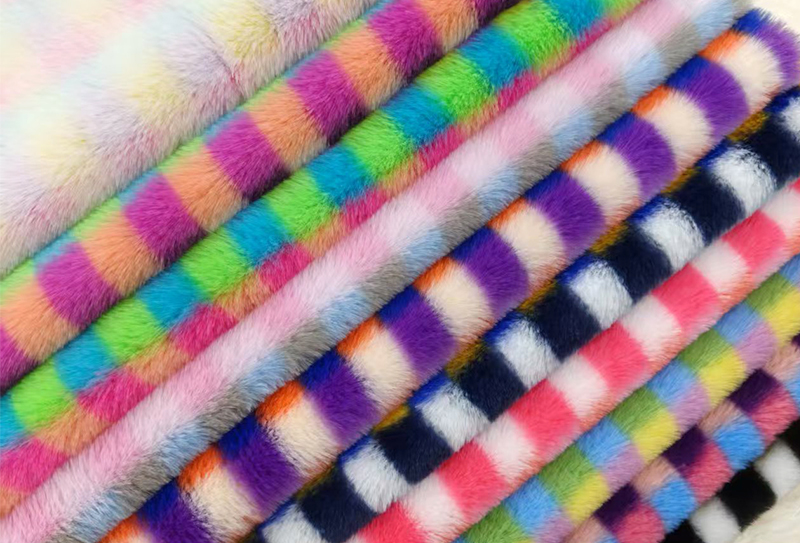
This 500mg*160cm checkered rabbit fur print plush fabric utilizes printing technology to create a clear, rich checkered pattern on the imitation rabbit fur surface. The medium weight of 500g/m ensures...
See Details -
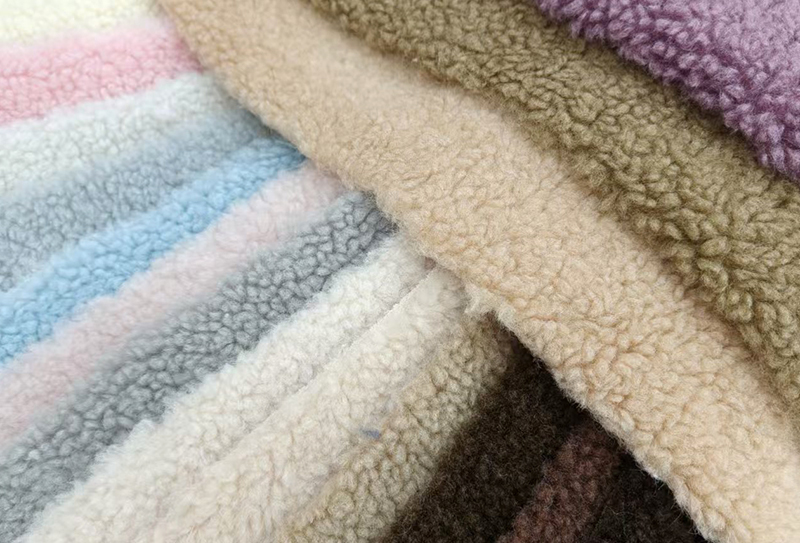
This 700mg*160cm Fair Isle cashmere curly grain fabric utilizes a modified Scottish Fair Isle weaving technique, achieving a three-dimensional curly grain texture through a special raising technique. ...
See Details -
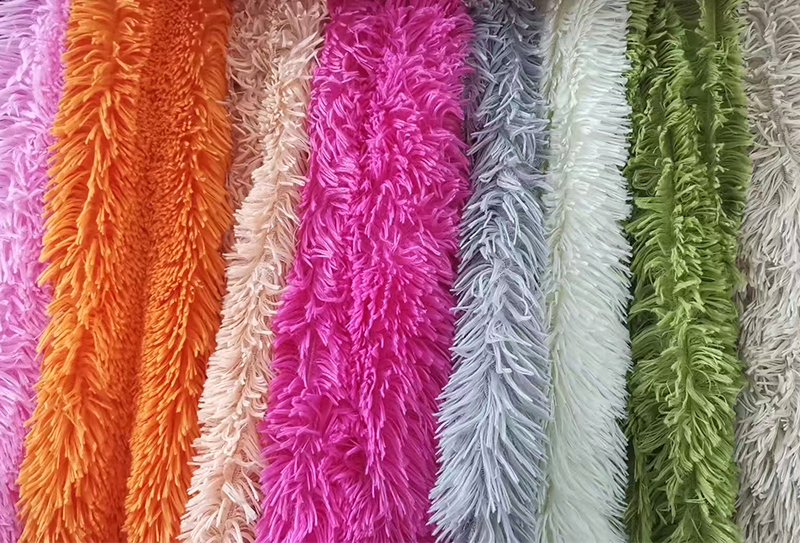
This 290gsm*165cm Haipai velvet fabric is easy to care for and 30mm thick, making it suitable for clothing, toys, pet beds, blankets, and other decorative applications. Its excellent wear resistance a...
See Details -
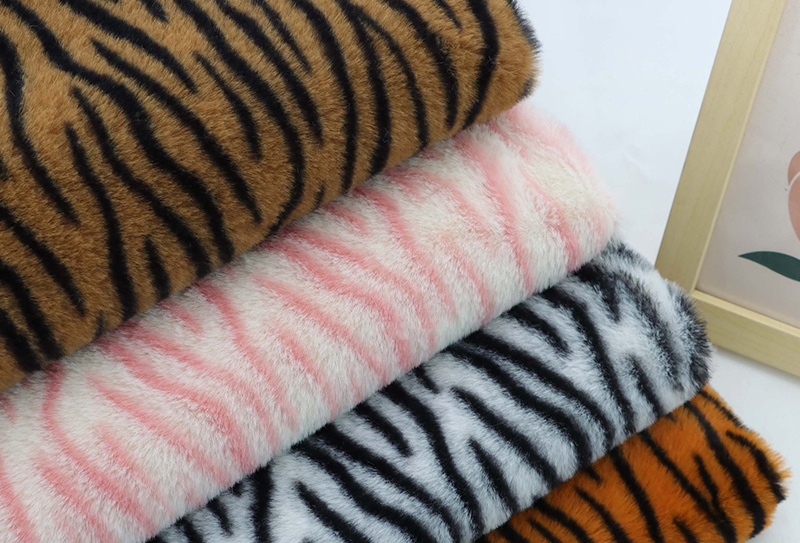
500g/160cm tiger-print rabbit fur print plush fabric uses printing technology to realistically present the wild stripes of tiger stripes on a high-quality imitation rabbit fur base fabric. The medium-...
See Details -
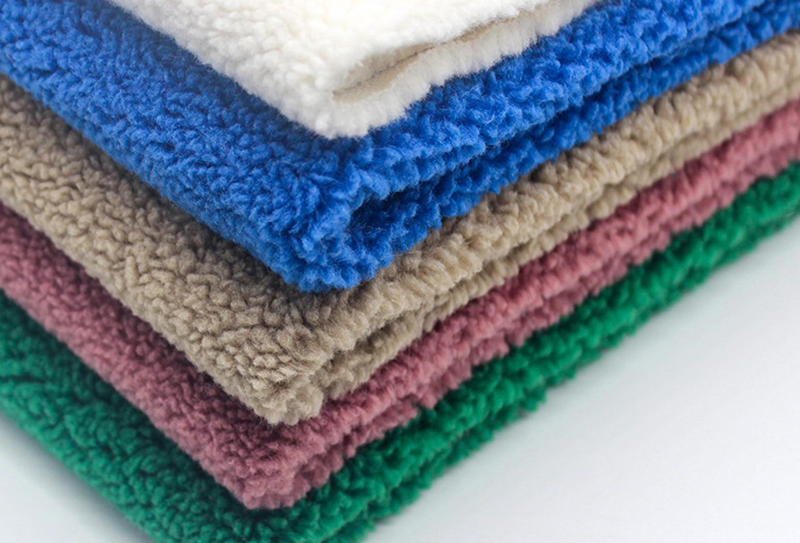
This 750mg*160cm wheat-ear grain plush fabric uses a dyeing process to create a natural, smooth, three-dimensional grain texture resembling wheat ears. The medium-heavy weight of 750g/m2 imparts the f...
See Details
Contact us
 1027, Floor 1, Zone 1, Beilian Market, China Textile City, Keqiao District, Shaoxing City, Zhejiang Province, China
 +86-159 8821 9333

Copyright © Shaoxing Wanyi Textile Co., Ltd. All Rights Reserved
Custom Soft Faux Fur Fabric, Sherpa Fleece Material Manufacturers
