
 English
 中文简体
中文简体This 700g thickened, 165cm rainbow mink imitation fox fur fabric utilizes a gradient dyeing technique to create a naturally transitioning rainbow effect. The high-density base fabric combined with the...
See DetailsWhat is Printing on Plush Fabric?
Content
- 1 Decoding the Technology: Core Printing Methods for Plush
- 2 Application-Specific Considerations and Best Practices
- 3 The Technical Specification Sheet: What to Ask Your Supplier
- 4 Future Trends and Innovation in Plush Fabric Printing
- 5 Frequently Asked Questions (FAQ)
- 5.1 1. What is the best printing method for a very detailed, full-color logo on plush fabric?
- 5.2 2. Can I get a soft, raised print on plush, or will it always be flat?
- 5.3 3. Is "Minky" fabric good for printing, and what method works best?
- 5.4 4. How can I verify if a fabric is truly printed with eco-friendly water-based inks?
- 5.5 5. What are the most important safety tests for printed plush fabric used in children's toys?
In the world of textiles, printing plush fabric represents a sophisticated marriage of tactile comfort and visual artistry. It involves applying intricate designs, patterns, or images onto the soft, raised surface of plush materials, transforming them from basic textiles into customized products for fashion, toys, and home decor. However, achieving a vibrant, durable, and safe print on a fibrous, three-dimensional surface presents unique technical challenges. The choice of printing technology—be it digital, flocking, or heat transfer—directly impacts the final product's aesthetic, hand-feel, performance, and compliance. This guide delves into the core methods, from digital printed minky plush fabric to the flocked printing technique for plush fabric, and explores critical application-specific considerations for sourcing and manufacturing.
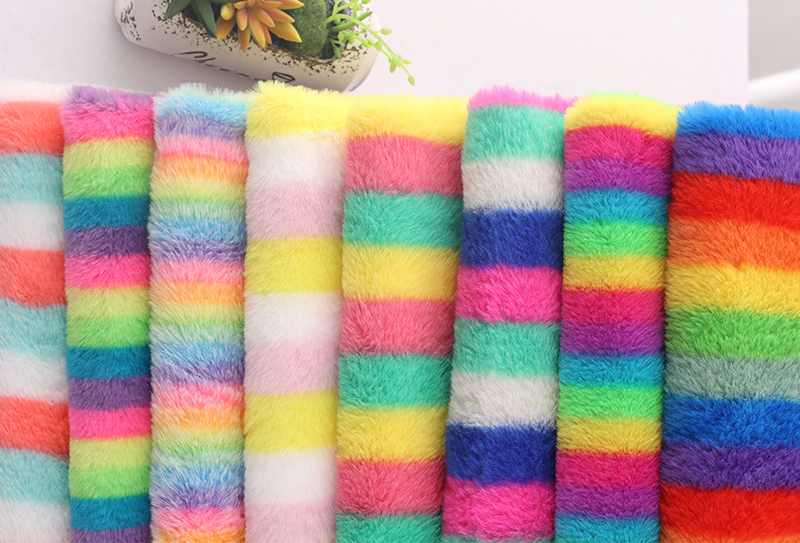
Decoding the Technology: Core Printing Methods for Plush
Selecting the right printing technique is the foundational decision in producing printing plush fabric. Each method interacts with the fabric's pile and fiber composition differently, yielding distinct results in color vibrancy, detail resolution, texture, and cost. Digital printing has revolutionized the field by enabling direct, high-detail application. Conversely, flock printing adds a completely different tactile dimension. Understanding these technologies is essential for matching the process to the product vision, whether for small-batch custom printing on plush fabric for apparel or mass-produced high-resolution printed plush fabric for toys.
- Digital Direct-to-Fabric Printing: Inkjet technology sprays pigment or dye-based inks directly onto the fabric. It excels in detail, supports unlimited colors and photorealistic images, and has minimal setup, making it ideal for customization and low minimums.
- Flock Printing: A viscous adhesive is printed in the desired pattern, and then tiny nylon or polyester fibers (flock) are electrostatically applied. This creates a velvety, raised texture that contrasts with the base plush, offering a unique tactile and visual effect.
- Heat Transfer Printing: Designs are first printed onto a special paper and then transferred to the plush fabric using heat and pressure. It works well on synthetic plush (like polyester) and can produce bright colors, but may slightly stiffen the hand-feel.
| Printing Method | Best For | Key Advantages | Key Considerations |
| Digital Printing | Complex designs, photorealistic images, low MOQ, customization. | Exceptional detail and color gradation, no screens needed, fast turnaround for sampling. | Ink penetration on dense pile can be challenging; requires pre/post-treatment for wash fastness. |
| Flock Printing | Creating raised logos, textured accents, vintage or luxurious feel. | Unique 3D tactile effect, good opacity on dark fabrics, durable when cured properly. | Higher cost, limited to solid areas of color (no gradients), design must account for flock application. |
| Heat Transfer | All-over prints on synthetic plush, simple to moderate complexity designs. | Vibrant colors, relatively simple process, good for large continuous areas. | Can affect fabric softness and stretch; not all plush types are suitable. |
Application-Specific Considerations and Best Practices
The intended end-use of the printed fabric dictates stringent technical requirements that go beyond aesthetics. For apparel, such as custom printing on plush fabric for apparel, the primary concerns are durability and comfort. Prints must withstand repeated domestic washing without cracking or fading significantly (achieving a wash fastness rating of 4-5 on the ISO scale is typical). The printing process must also not compromise the fabric's desired drape, stretch, or softness. In the toy industry, specifications are even more rigorous. High-resolution printed plush fabric for toys must comply with stringent international safety standards (e.g., EN-71 in Europe, ASTM F963 in the USA, CPSIA in the US). This mandates the use of non-toxic, heavy-metal-free inks and dyes, and prints must be resistant to abrasion and "saliva and perspiration" to ensure they are safe for children.
A growing and critical consideration across all applications is environmental impact. The demand for eco-friendly water-based printing plush fabric is driven by both regulation and consumer preference. True eco-friendly printing utilizes water-based pigment inks (which contain no volatile organic compounds or hazardous air pollutants), coupled with low-impact, energy-efficient fixation processes like steaming or thermo-fixing. This represents a significant shift from older plastisol or solvent-based systems and requires careful supplier verification.
The Technical Specification Sheet: What to Ask Your Supplier
Professional sourcing of printed plush requires moving beyond visual samples to quantifiable data. A reliable manufacturer should provide, or be able to conduct, standardized tests to verify performance. Critical parameters include colorfastness to washing, rubbing (dry and wet), and light exposure. For wearables and toys, abrasion resistance tests (like Martindale) are key. Crucially, compliance certificates for relevant safety standards are non-negotiable for children's products. Before bulk production, a physical strike-off sample is essential to approve color matching, print registration, and hand-feel on the exact production fabric.
- Certifications & Test Reports: Request documentation for Oeko-Tex Standard 100, CPSIA, EN-71, or other relevant safety and eco-certifications.
- Performance Data: Ask for specific test results on wash fastness (ISO 105-C06), rub fastness (ISO 105-X12), and lightfastness (ISO 105-B02).
- Ink System Disclosure: Verify the type of ink used (e.g., water-based pigment, reactive dye) and its environmental and safety profile.
- Pre-production Validation: Insist on a physical strike-off sample from the production-intended machinery and fabric lot.
Future Trends and Innovation in Plush Fabric Printing
The field is advancing beyond traditional color application. A significant trend is the integration of smart and functional prints. This includes the development of prints using thermo-chromic or photo-chromic inks that change color with temperature or light exposure, adding an interactive element to toys and apparel. Furthermore, the precision and flexibility of digital printing are the engines behind the growing on-demand manufacturing model. This allows brands to produce highly personalized or small-batch items with minimal waste and inventory risk, perfectly aligning with the demand for unique custom printing on plush fabric for apparel and limited-edition collectibles.
| Trend | Description | Potential Application |
| Smart/Functional Inks | Inks that react to environmental stimuli like heat, light, or moisture. | Educational toys, interactive apparel, mood-indicating products. |
| On-Demand & Hyper-Personalization | Leveraging digital printing for cost-effective single-unit or micro-batch production. | Customized plush toys, personalized blankets, limited-run fashion lines. |
| Enhanced Sustainability | Development of bio-based inks and further optimization of water and energy use in printing processes. | Broad application across all sectors as a baseline requirement for market access. |
Frequently Asked Questions (FAQ)
1. What is the best printing method for a very detailed, full-color logo on plush fabric?
For highly detailed, multi-colored designs like intricate logos or photorealistic images, digital direct-to-fabric printing is unequivocally the best choice. It can reproduce millions of colors and fine details without the need for individual screens for each color, making it cost-effective even for complex designs. This is why it's the go-to solution for achieving high-resolution printed plush fabric for toys and detailed custom printing on plush fabric for apparel. Ensure the supplier uses high-quality, color-fast inks suitable for the specific plush fiber content.
2. Can I get a soft, raised print on plush, or will it always be flat?
Yes, you can achieve a soft, raised texture using the flocked printing technique for plush fabric. Unlike other methods that lay ink on the surface, flock printing adhesively bonds thousands of tiny fibers to the fabric in your design pattern. This creates a distinct, velvet-like texture that is both visual and tactile. It's perfect for creating a premium, textured logo or design element that stands out from the base plush material. It is not suitable for gradients or photographic detail but excels in solid, bold areas.
3. Is "Minky" fabric good for printing, and what method works best?
Minky, a type of ultra-soft polyester plush, is excellent for printing but requires careful technique. Its dense, short pile can sometimes resist ink penetration, leading to a slightly muted or "frosty" appearance if not handled correctly. The optimal method for digital printed minky plush fabric is digital printing with specialized pretreatments that help the ink bond to the synthetic fibers. Properly executed, it yields vibrant, soft-hand prints perfect for baby blankets, premium apparel, and luxury toys.
4. How can I verify if a fabric is truly printed with eco-friendly water-based inks?
Verifying claims of eco-friendly water-based printing plush fabric requires due diligence. First, request a Safety Data Sheet (SDS) for the inks used, which should list water as the primary carrier and show no hazardous solvent listings. Second, ask for relevant certifications, such as Oeko-Tex Standard 100 (which restricts harmful substances) or the Global Organic Textile Standard (GOTS) for prints on organic fabrics. Reputable suppliers will be transparent with this documentation and may also provide information on their wastewater treatment practices.
5. What are the most important safety tests for printed plush fabric used in children's toys?
For high-resolution printed plush fabric for toys, safety testing is paramount. The most critical tests include: Chemical Safety: Compliance with EN-71-3 (Europe) or ASTM F963 (USA) for heavy metals (lead, cadmium, etc.) and phthalates. Physical Safety: Adhesion testing to ensure the print does not peel or flake, creating a choking hazard. Saliva and Perspiration Fastness: Tests to ensure colors and chemicals do not migrate when exposed to simulated saliva or sweat. Always work with a supplier who can provide recent, third-party laboratory test reports certifying compliance with the regulations of your target market.
Hot News
-
-
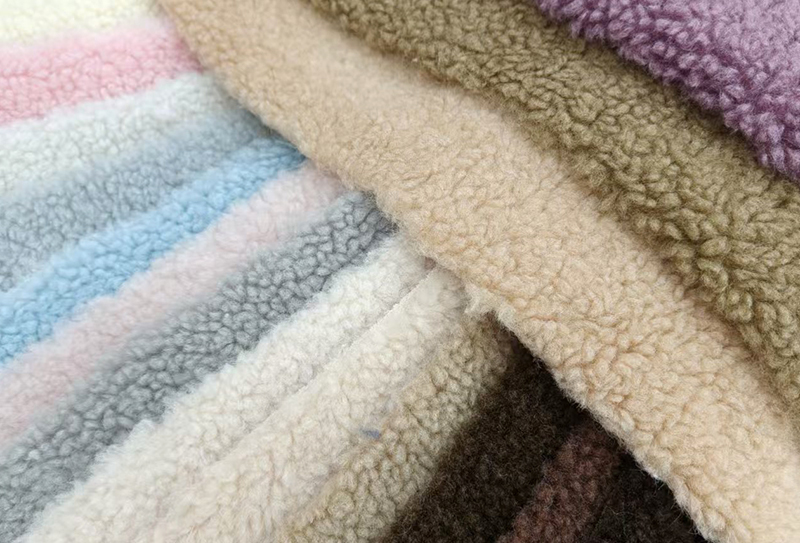
This 700mg*160cm Fair Isle cashmere curly grain fabric utilizes a modified Scottish Fair Isle weaving technique, achieving a three-dimensional curly grain texture through a special raising technique. ...
See Details -
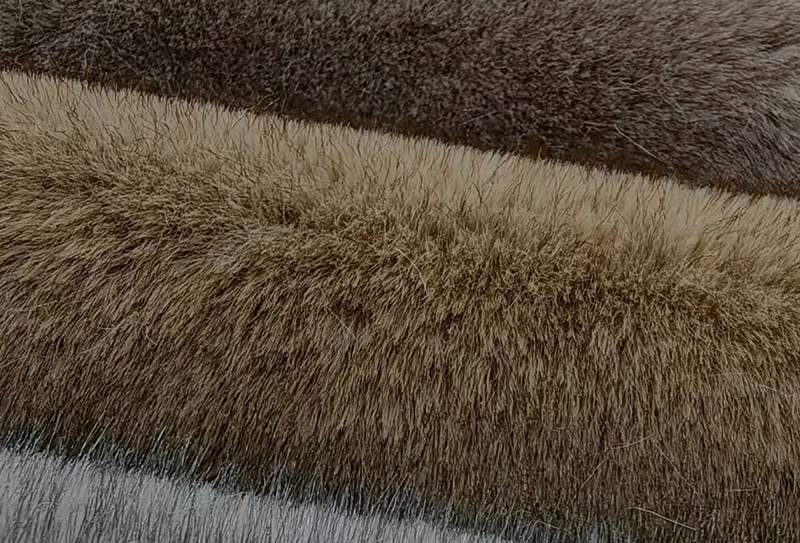
The 1200mg*185cm two-color cationic imitation fox fur fabric adopts an innovative cationic dyeing two-color process to achieve a two-color gradient effect, and the fluff presents a natural and three-d...
See Details -
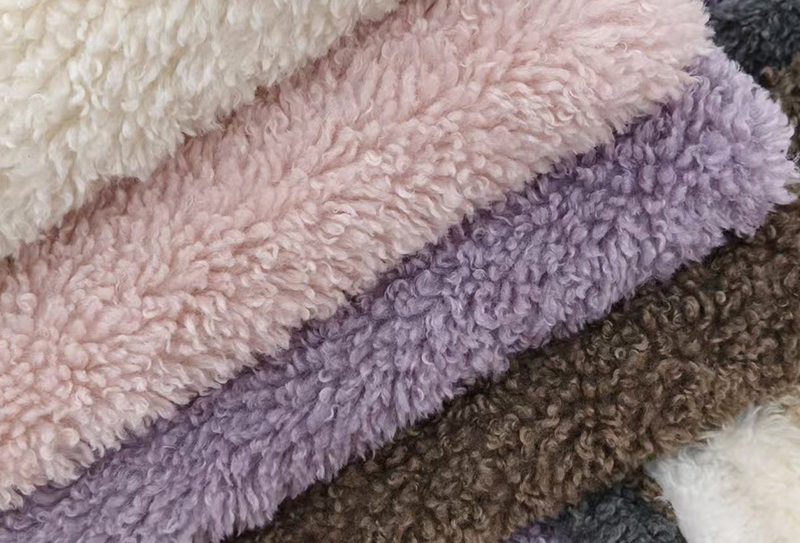
800mg/m², 165cm Kara Cashmere fabric is made from carefully selected modified polyester fibers, using a special polarizing process to create a fine, dense cashmere feel. The medium-to-high weight of 8...
See Details -
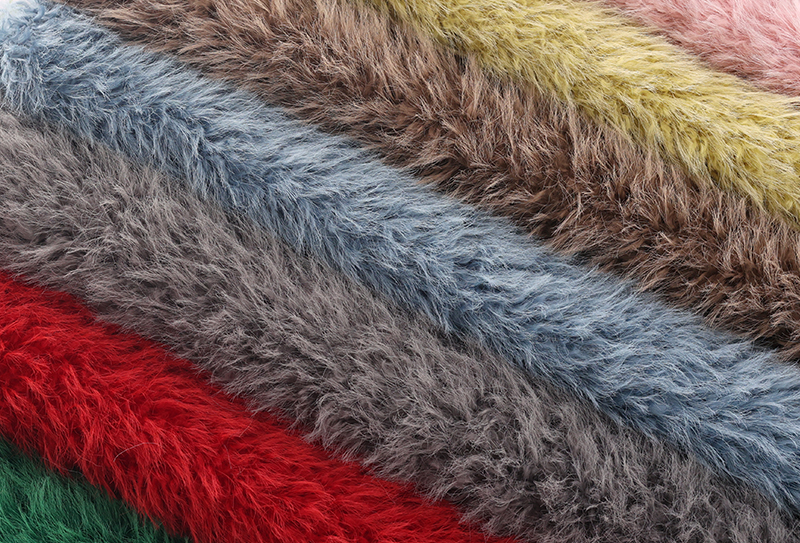
This 700g x 160cm Guifei Toka imitation fox fur fabric utilizes biomimetic fiber technology to mimic the fluffiness and smoothness of real fox fur. The medium weight of 700g/cm creates a fluffy feel w...
See Details -
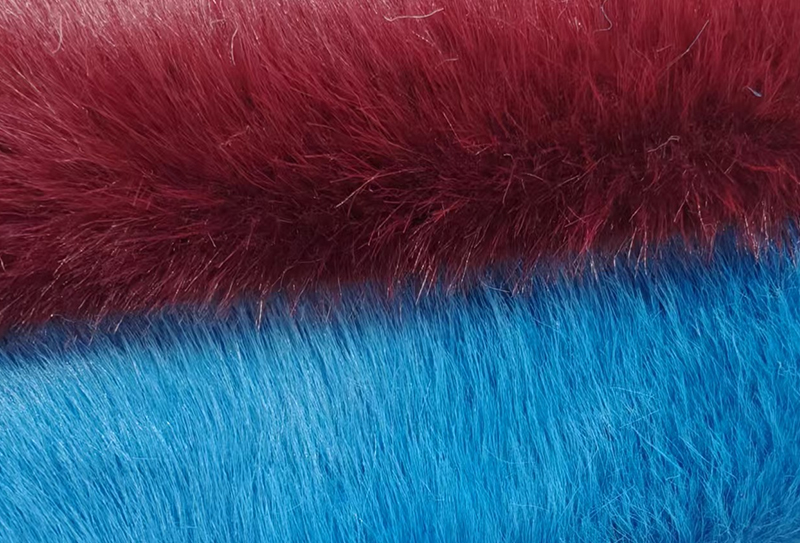
This 800mg*185cm Platinum Mink Faux Fur fabric is made from imitation mink fibers with a soft hand and a natural sheen, resembling the feel of real mink. The 800g/m2 weight ensures the fabric maintain...
See Details
Contact us
 1027, Floor 1, Zone 1, Beilian Market, China Textile City, Keqiao District, Shaoxing City, Zhejiang Province, China
 +86-159 8821 9333

Copyright © Shaoxing Wanyi Textile Co., Ltd. All Rights Reserved
Custom Soft Faux Fur Fabric, Sherpa Fleece Material Manufacturers
