
 English
 中文简体
中文简体This 700mg*160cm Fair Isle cashmere curly grain fabric utilizes a modified Scottish Fair Isle weaving technique, achieving a three-dimensional curly grain texture through a special raising technique. ...
See DetailsWhat is Sequin Embroidered Fabric?
Content
- 1 The Art of Illumination: Understanding Sequin Embroidered Fabric
- 2 The Manufacturing Process: From Concept to Dazzling Reality
- 3 Applications Across Industries: Where Sparkle Meets Function
- 4 Technical Considerations for Design and Production
- 5 FAQ
- 5.1 How do you clean and care for sequin embroidered fabric?
- 5.2 What is the difference between embroidered sequins and glued sequins?
- 5.3 Can sequin embroidered fabric be used for upholstery?
- 5.4 How are designs created for sequin embroidery?
- 5.5 What is the typical lead time for custom sequin embroidered fabric?
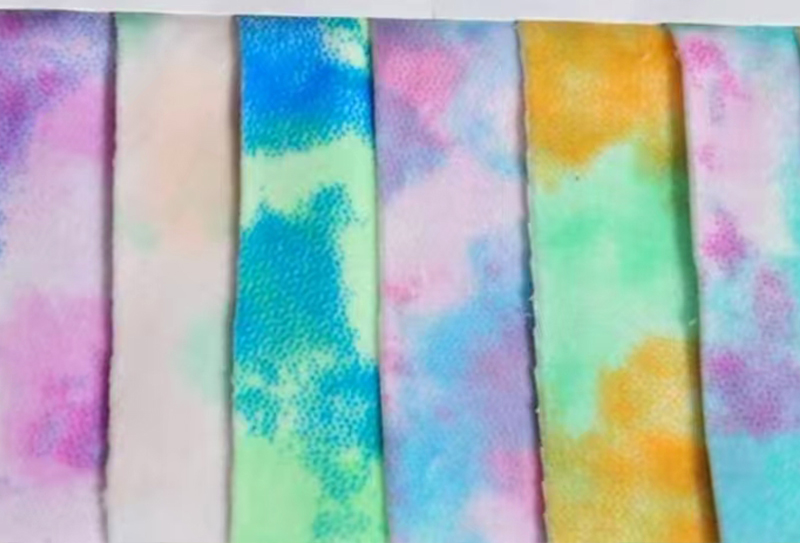
Sequin Embroidered Fabric
In the world of luxury textiles, few materials command attention quite like Sequin Embroidered Fabric. This exquisite fabric represents the pinnacle of decorative textile arts, combining the timeless elegance of embroidery with the dazzling brilliance of sequins to create surfaces that capture and reflect light in mesmerizing patterns. As fashion and interior design continue to embrace maximalism and tactile luxury, this fabric has emerged as a preferred choice for designers seeking to make bold statements through texture, shine, and intricate detail work that simply cannot be achieved through printing or weaving alone.
The Art of Illumination: Understanding Sequin Embroidered Fabric
Sequin Embroidered Fabric represents a specialized category of decorative textiles that combines two distinct embellishment techniques into a single, cohesive material of exceptional beauty and complexity. The foundation typically consists of a stable base fabric such as taffeta, organza, velvet, or netting, which provides the necessary support for the substantial weight of the embellishments. The embroidery component involves skilled artisans or computerized embroidery machines creating intricate patterns using various stitching techniques that both form decorative motifs and securely anchor the sequins to the base fabric. The sequins themselves, typically made from plastic, vinyl, or occasionally metal, are individually attached using methods ranging from traditional hand-stitching to advanced automated processes that ensure each sequin is perfectly aligned and securely fastened. The result is a textile that offers multidimensional visual interest through the combination of matte embroidery threads and reflective sequin surfaces that interact dynamically with light sources.
A Legacy of Craftsmanship Meets Modern Technology
The production of sequin embroidered fabric bridges centuries-old embroidery traditions with cutting-edge textile manufacturing technology. Historically, sequin embroidery was exclusively handcrafted, with artisans spending hundreds of hours creating intricate patterns on luxury garments for royalty and aristocracy. The industrial revolution introduced mechanized embroidery machines, but it wasn't until the advent of computer-controlled embroidery systems in the late 20th century that complex sequin embroidery became commercially viable at scale. Modern manufacturing utilizes specialized multi-head embroidery machines equipped with sequin attachment features that can precisely place thousands of sequins per hour while simultaneously executing complex embroidery patterns. These technological advances have made what was once exclusively a luxury item accessible to broader markets while maintaining the exquisite quality and attention to detail that defines this category of decorative textiles.
- Historical roots in hand embroidery dating back centuries
- Industrial revolution enabled partial mechanization of production
- Computerized embroidery systems revolutionized precision and efficiency
- Modern machines combine sequin attachment with embroidery in single operation
What is sequin embroidered fabric made of?
Understanding what sequin embroidered fabric is made of requires examining the three essential components that comprise these luxurious textiles. The foundation is the base fabric, which varies depending on the intended application and includes options like chiffon for drape, taffeta for structure, velvet for luxury, or netting for transparency. The sequins themselves are typically manufactured from plasticized PVC, acrylic, or occasionally metallic materials, available in various shapes including circles, squares, petals, and specialty shapes, with finishes ranging from matte to iridescent to highly reflective. The embroidery threads constitute the third component, with viscose, polyester, cotton, and metallic threads being most common, each offering different visual effects and performance characteristics. The combination of these elements, along with specialized backing materials that provide stability during the embroidery process, creates the final product that balances aesthetic appeal with practical durability for its intended use.
- Base fabrics: Taffeta, organza, velvet, netting, georgette, or cotton
- Sequin materials: PVC, acrylic, metal, or eco-friendly alternatives
- Embroidery threads: Viscose, polyester, cotton, silk, or metallic varieties
- Stabilizers: Water-soluble or tear-away backing for production integrity
The Manufacturing Process: From Concept to Dazzling Reality
The creation of sequin embroidered fabric involves a sophisticated manufacturing process that combines artistic design with precision engineering. The journey begins with design conceptualization, where artists create patterns that effectively integrate both embroidered and sequined elements while considering technical constraints of production. These designs are then digitized using specialized software that translates artistic concepts into machine instructions, defining every stitch type, sequin placement, thread color change, and production sequence. Material preparation follows, with the base fabric being carefully mounted onto embroidery frames along with stabilizer materials that prevent distortion during the high-speed embroidery process. The actual production occurs on multi-head embroidery machines equipped with sequin attachment mechanisms, where thousands of needles and specialized sequin feeders work in concert to build up the design layer by layer. Quality control occurs throughout production, with inspectors checking tension consistency, sequin alignment, and stitch quality to ensure the final product meets exacting standards.
Precision Engineering in Sequin Attachment
The attachment of sequins in sequin embroidered fabric represents one of the most technically challenging aspects of the manufacturing process, requiring specialized equipment and expertise. Modern sequin embroidery machines utilize several methods for sequin application, with the most common being the tube-feeding system where sequins are loaded into narrow tubes that feed them to the embroidery head in precise orientation. Alternative methods include tape-mounted sequins that come pre-arranged on soluble tape, which is stitched through and later dissolved. The stitching techniques for securing sequins vary depending on the desired visual effect and security requirements, with common methods including single-point attachment for maximum movement and reflectivity, or multiple-point attachment for secure placement on garments that will undergo frequent wear and cleaning. The precision of modern computerized systems ensures that each sequin is placed with microscopic accuracy, maintaining perfect alignment across the entire fabric surface regardless of the complexity of the design pattern.
- Tube-feeding systems for precise sequin orientation and placement
- Tape-mounted sequins for complex patterns and mixed sequin types
- Single-point attachment creating dynamic, light-catching surfaces
- Multi-point attachment ensuring durability for high-use applications
Quality Considerations in Manufacturing
Producing high-quality sequin embroidered fabric requires meticulous attention to numerous technical factors throughout the manufacturing process. The tension of both the base fabric and embroidery threads must be precisely controlled to prevent puckering, distortion, or thread breakage during high-speed production. Sequins must be uniformly aligned with consistent spacing to create professional-looking patterns without gaps or overcrowding. The color fastness of both sequins and embroidery threads must be verified to ensure the fabric maintains its visual appeal after cleaning or prolonged light exposure. Durability testing assesses the security of sequin attachment and embroidery stitch integrity under conditions simulating normal use. Additionally, production consistency must be maintained across different batches, requiring careful monitoring of raw material quality, machine calibration, and environmental conditions throughout the manufacturing process to ensure the final product meets the expectations of discerning designers and manufacturers.
Applications Across Industries: Where Sparkle Meets Function
The versatility of sequin embroidered fabric has led to its adoption across diverse industries where visual impact and tactile luxury are valued. In fashion, it serves as statement material for evening wear, bridal fashion, special occasion dresses, and luxury accessories that demand attention and communicate sophistication. The entertainment industry utilizes these fabrics for performance costumes, theatrical productions, and film wardrobes where their light-reflecting properties enhance stage presence and visual storytelling. Interior design applications include luxury home furnishings, accent pillows, drapery, and wall coverings that transform ordinary spaces into extraordinary environments. The craft and hobby market has embraced smaller-scale sequin embroidered fabrics for DIY projects, wearable art, and decorative applications that allow consumers to incorporate luxury elements into personal creations. This cross-industry appeal demonstrates the material's unique ability to elevate products through its combination of traditional craftsmanship and contemporary aesthetic appeal.
Fashion and Apparel Applications
The use of sequin embroidered fabric in fashion and apparel represents one of its most prominent applications, where it transforms garments into wearable art. Designers value these fabrics for their ability to create focal points in collections, whether used as all-over patterns or strategic accents on collars, cuffs, or bodices. The weight and structure of the fabric make it particularly suitable for formal wear where it provides both visual drama and the substance expected in high-end garments. Different base fabrics offer varying characteristics for fashion applications: lightweight nets and chiffons create flowing garments with ethereal sparkle, while structured taffetas and velvets provide foundation for more substantial embroidery and sequin work. Recent trends have seen these fabrics moving beyond evening wear into contemporary fashion, with designers using them for blazers, trousers, and even casual wear that incorporates sequin embroidery as subtle texture rather than overall sparkle, demonstrating the versatility of this material across fashion categories.
- Evening wear and red carpet gowns making bold fashion statements
- Bridal wear incorporating subtle sequin accents for ceremonial elegance
- Special occasion dresses for proms, galas, and formal events
- Luxury accessories including bags, shoes, and hair ornaments
Home Furnishings and Interior Decor
The application of sequin embroidered fabric in home furnishings and interior decor has grown significantly as homeowners and designers seek to incorporate texture and luxury into living spaces. In residential interiors, these fabrics appear as accent pillows that catch and reflect light, creating dynamic visual interest that changes throughout the day. Upholstery applications transform ordinary furniture pieces into statement items that serve as focal points in room designs. Drapery and window treatments incorporating sequin embroidery add subtle sparkle to interiors while maintaining functionality. The hospitality industry has embraced these fabrics for luxury hotel suites, restaurant interiors, and cruise ship decor where they contribute to creating memorable, Instagram-worthy environments. Unlike fashion applications, interior decor uses typically feature more subdued sequin colors and patterns that complement rather than dominate a space, demonstrating the adaptability of this material across different contexts and aesthetic preferences.
- Accent pillows and cushions adding luxury to living spaces
- Statement upholstery on chairs, headboards, and ottomans
- Window treatments that interact with natural and artificial light
- Wall coverings and decorative panels creating feature walls
Specialized and Novelty Applications
Beyond traditional fashion and interior applications, sequin embroidered fabric finds use in numerous specialized and novelty contexts that leverage its unique visual and tactile properties. The costume industry relies heavily on these fabrics for theatrical productions, dance costumes, and theme park character outfits where their light-reflecting qualities enhance visibility and dramatic impact under stage lighting. In the automotive industry, luxury vehicle manufacturers incorporate sequin-embroidered fabrics for special edition models, creating unique interior elements that elevate the perceived value and exclusivity of their products. The craft and DIY market has developed smaller-scale versions suitable for home embroidery machines, allowing hobbyists to create custom sequin projects. Even the tech industry has found applications, with designers using these fabrics for limited edition laptop sleeves, phone cases, and wearable technology accessories that merge traditional craftsmanship with contemporary digital lifestyles.
- Theatrical and dance costumes with enhanced stage presence
- Automotive interiors for luxury and special edition vehicles
- Craft and DIY projects for personalized accessories
- Technology accessories blending tradition with innovation
Technical Considerations for Design and Production
Working effectively with sequin embroidered fabric requires understanding several technical considerations that impact both design possibilities and production outcomes. The weight and density of sequin embroidery significantly affect the drape and handling characteristics of the base fabric, necessitating design adjustments to accommodate the added stiffness and weight. Production planning must account for the specialized equipment required, with multi-head embroidery machines representing substantial capital investment and requiring skilled operators to achieve optimal results. Design complexity directly influences production time and cost, with intricate patterns requiring significantly more machine time and increasing the potential for production errors. Material compatibility must be carefully considered, as certain base fabrics may not provide sufficient stability for heavy sequin embroidery, while some sequin materials may not withstand high-temperature cleaning processes. Understanding these technical parameters enables designers and manufacturers to push creative boundaries while maintaining production feasibility and end-use functionality.
Designing with Sequin Embroidered Fabrics
Creating successful designs with sequin embroidered fabric requires specialized knowledge that balances artistic vision with technical production constraints. Designers must consider the scale of patterns in relation to the intended application, with larger repeats suitable for substantial garment panels or home furnishing pieces, while smaller, denser patterns work better for accessories or garment accents. The directionality of sequins must be planned, as some applications benefit from sequins that all face the same direction for uniform reflectivity, while others use varied orientations for more organic, textured effects. Color selection requires understanding how embroidery threads and sequins interact visually, with contrasting colors creating bold definitions and tonal combinations producing subtle elegance. Practical considerations include planning seam placements to avoid disrupting pattern continuity and designing cut lines that minimize waste of these typically expensive materials. Experienced designers often create technical specifications that precisely communicate their vision to manufacturers, ensuring the final product matches their creative intent while remaining producible within technical constraints.
When selecting sequin embroidered fabrics for projects, consider these technical parameters:
| Technical Factor | Standard Quality | Premium Quality |
| Sequin Attachment | Single stitch with occasional loose sequins | Multiple secure stitches with uniform tension |
| Thread Consistency | Visible tension variations and thread breaks | Uniform tension with no broken stitches |
| Pattern Registration | Minor misalignments in complex patterns | Perfect alignment across entire fabric piece |
| Color Fastness | Moderate bleeding or fading with cleaning | Excellent retention through multiple cleanings |
| Backing Integration | Visible stabilizer or rough backing surface | Clean finish with properly dissolved stabilizers |
FAQ
How do you clean and care for sequin embroidered fabric?
Proper cleaning and care are essential for maintaining the appearance and longevity of sequin embroidered fabric. For most items, professional dry cleaning is recommended, as the chemical solvents used are less likely to damage sequins or embroidery threads compared to water-based cleaning methods. If home cleaning is necessary, hand washing in cold water with mild detergent is the safest approach, followed by air drying away from direct heat and sunlight. Machine washing should generally be avoided, as the agitation can loosen sequins and damage embroidery, while high heat in dryers can melt or warp plastic sequins. When ironing is necessary, use the lowest heat setting and place a pressing cloth between the iron and the sequined surface to prevent direct contact. Storage should involve hanging garments or rolling larger pieces to prevent creasing that can permanently damage sequins, with tissue paper placed between folded layers to minimize friction and scratching.
What is the difference between embroidered sequins and glued sequins?
The distinction between embroidered and glued sequins represents a significant quality differentiator in sequin embroidered fabric. Embroidered sequins are individually stitched to the base fabric using specialized embroidery techniques that securely anchor each sequin with one or more stitches through its center hole. This method creates a durable attachment that withstands cleaning and wear while allowing sequins to move independently, creating dynamic light reflection. Glued sequins, by contrast, are adhered using fabric glue or heat-activated adhesive, which provides less secure attachment and tends to stiffen the fabric. Embroidered sequins typically last the lifetime of the garment and maintain their reflective qualities, while glued sequins often begin detaching after limited use or cleaning. The production cost for embroidered sequins is significantly higher due to the specialized equipment and time required, but the result is a superior product that maintains its appearance through extended use.
Can sequin embroidered fabric be used for upholstery?
Sequin embroidered fabric can be used for upholstery applications, but several important considerations must be addressed to ensure satisfactory performance and durability. Upholstery applications require sequins that are securely attached with multiple stitches to prevent loosening from the friction and pressure of regular use. The base fabric must have sufficient strength and stability to withstand the tension applied during upholstery without distorting the embroidery pattern. Abrasion resistance is critical, making flat, smooth sequins preferable to domed varieties that present more surface area for wear. Color fastness to light is particularly important for furniture that will be exposed to sunlight, as some sequin materials may fade or deteriorate with prolonged UV exposure. For commercial upholstery applications, compliance with flammability standards such as CAL 117 must be verified. When these factors are properly addressed, sequin embroidered fabrics can create stunning statement pieces that elevate interior spaces with their unique textural and visual qualities.
How are designs created for sequin embroidery?
Creating designs for sequin embroidered fabric involves a specialized digital process that translates artistic concepts into machine instructions. The process begins with vector artwork created in programs like Adobe Illustrator, where designers develop patterns considering both aesthetic appeal and technical production constraints. This artwork is then imported into specialized embroidery digitizing software that allows designers to assign specific embroidery stitches and sequin placement points throughout the design. The digitizing process requires careful planning of stitch types, densities, and sequences to ensure the design sews out correctly without puckering or thread breaks. For sequin elements, the digitizer specifies the exact placement, orientation, and attachment method for each sequin, often creating test sew-outs to refine the design before full production. This technical process requires both artistic sensibility and deep understanding of embroidery machinery capabilities, making skilled digitizers essential for producing high-quality sequin embroidered fabrics with complex designs.
What is the typical lead time for custom sequin embroidered fabric?
The lead time for custom sequin embroidered fabric varies significantly based on several factors including design complexity, order quantity, and manufacturer capacity. For standard designs with existing digitization, production might require 2-4 weeks from order confirmation to shipment. Custom designs requiring new digitization typically add 1-2 weeks for the design development and testing phase. Larger quantities generally have longer production times but benefit from economies of scale, while smaller custom orders may be produced more quickly but at higher per-unit cost. Seasonal factors also influence lead times, with periods before major fashion weeks or holidays often extending standard production schedules due to increased demand. Manufacturers specializing in these fabrics typically provide detailed production schedules during the quoting process, allowing clients to plan their projects accordingly. Rush production is sometimes available for urgent needs but typically commands premium pricing and may have limitations on design complexity or quantity.
Hot News
-
-
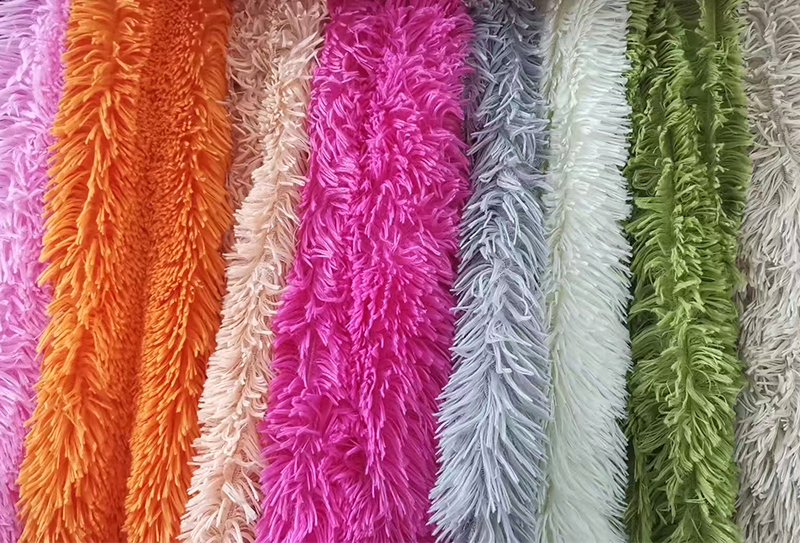
This 290gsm*165cm Haipai velvet fabric is easy to care for and 30mm thick, making it suitable for clothing, toys, pet beds, blankets, and other decorative applications. Its excellent wear resistance a...
See Details -
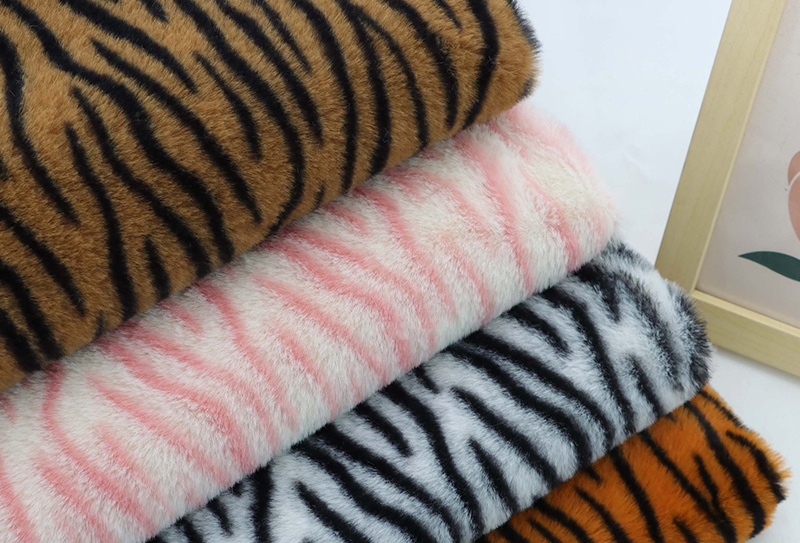
500g/160cm tiger-print rabbit fur print plush fabric uses printing technology to realistically present the wild stripes of tiger stripes on a high-quality imitation rabbit fur base fabric. The medium-...
See Details -
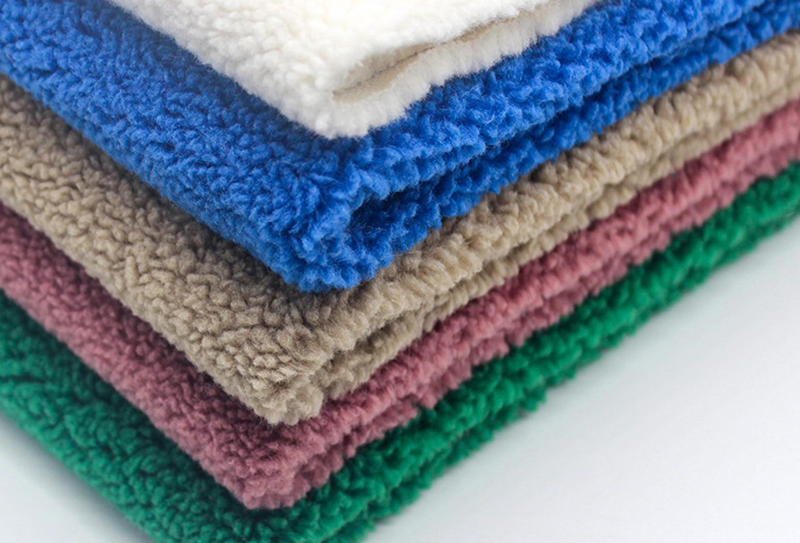
This 750mg*160cm wheat-ear grain plush fabric uses a dyeing process to create a natural, smooth, three-dimensional grain texture resembling wheat ears. The medium-heavy weight of 750g/m2 imparts the f...
See Details -
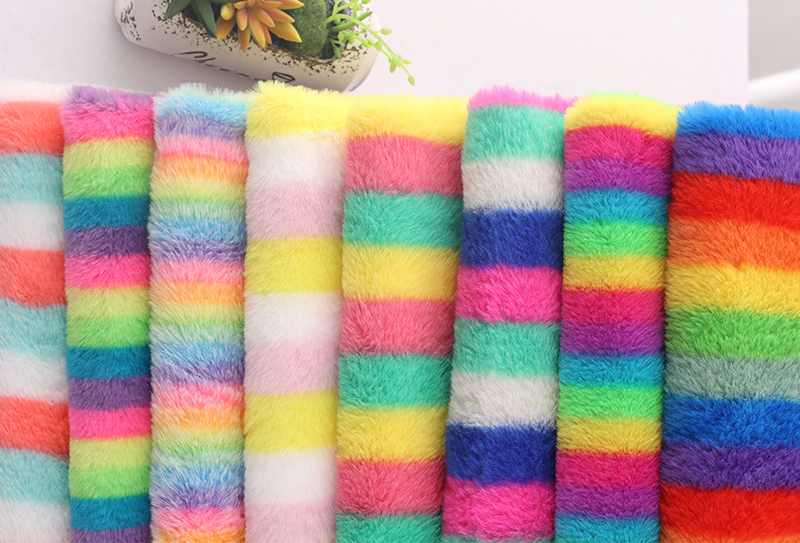
This 500mg*160cm colorful striped rabbit fur print plush fabric features a vibrant, colorful striped pattern on the imitation rabbit fur surface. Its moderate weight of 500g/m2 ensures softness and vo...
See Details -
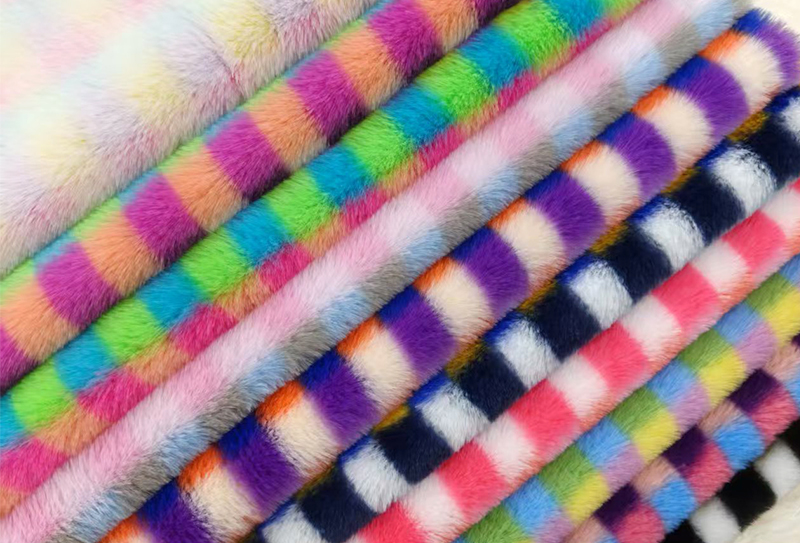
This 500mg*160cm checkered rabbit fur print plush fabric utilizes printing technology to create a clear, rich checkered pattern on the imitation rabbit fur surface. The medium weight of 500g/m ensures...
See Details
Contact us
 1027, Floor 1, Zone 1, Beilian Market, China Textile City, Keqiao District, Shaoxing City, Zhejiang Province, China
 +86-159 8821 9333

Copyright © Shaoxing Wanyi Textile Co., Ltd. All Rights Reserved
Custom Soft Faux Fur Fabric, Sherpa Fleece Material Manufacturers
