
 English
 中文简体
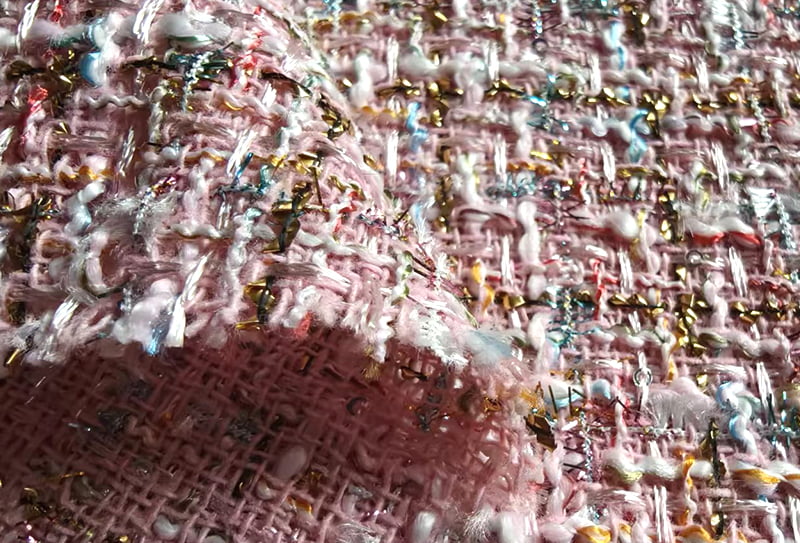
中文简体The 580g/148cm tweed fabric/Chanel-inspired fabric (item 0534) is a luxurious, light-weight fabric incorporating gold thread and sequins. Its thickened 580g/m² weight imparts a premium, crisp feel, wh...
See DetailsWhat Makes High-Quality Tweed Fabric Worth Choosing?
Content
- 1 What Is Tweed Fabric and Why Is It Popular Today?
- 2 How to Identify a High Quality Tweed Fabric Supplier?
- 3 Which Tweed Fabric for Winter Coats Performs Best?
- 4 Where to Find Wholesale Tweed Fabric by the Yard?
- 5 Is Tweed Fabric for Upholstery a Good Choice for Home & Commercial Use?
- 6 What Are the Benefits of Working With a Custom Tweed Fabric Manufacturer?
- 7 Conclusion: How to Choose the Right Tweed Fabric for Your Project?
- 8 FAQ
What Is Tweed Fabric and Why Is It Popular Today?
Tweed Fabric has long been recognized for its durability, textured appearance, and versatile performance across fashion and interior industries. Traditionally woven using wool-based yarns and characterized by its rich patterns such as herringbone, checks, and twills, this material has evolved into a modern textile widely used by designers and manufacturers worldwide. Today, the popularity of tweed extends far beyond classic coats; it now appears in dresses, skirts, lightweight jackets, upholstery applications, and contemporary accessories. Consumers favor tweed because it balances aesthetics and functionality. Its warmth, structure, and long-lasting performance make it ideal for winter collections, while its ability to incorporate different fibers, yarn counts, and finishing processes allows for diverse creative expressions. As textile technology advances, many manufacturers refine tweed through techniques such as brushing, washing, digital finishing, and fiber blending, resulting in fabrics with improved softness, stability, and color depth.
- Strong structural stability for garments and home textiles
- Rich texture variations suitable for multiple design environments
- Compatibility with modern blending and finishing techniques
Key Characteristics of Modern Tweed
Modern tweed integrates advanced yarn engineering and weaving adjustments to achieve specific performance metrics. Depending on intended use, manufacturers adjust weight, density, and fiber composition. These variations help ensure that tweed performs well in climates requiring insulation, as well as in decorative applications demanding abrasion resistance and colorfastness.
| Feature | Functional Benefit |
| Textured surface | Improved visual depth and tactile character |
| Dense weave structure | Enhanced durability and long-term wear performance |
| Versatile fiber options | Better adaptability for fashion or upholstery use |
How to Identify a High Quality Tweed Fabric Supplier?
Selecting a reliable supplier of tweed materials requires understanding several technical, production, and quality-control factors. A High Quality Tweed Fabric Supplier consistently maintains fiber uniformity, stable dyeing performance, and reliable shrinkage levels across shipments. Additionally, a strong supplier provides transparent specifications, including weight ranges, density profiles, and finishing methods. In the global textile market, trustworthy suppliers also invest in sustainable sourcing methods and material traceability to align with international consumer expectations.
- Consistent weaving precision and repeatable production standards
- Technical data sheets detailing performance metrics
- Reliable sampling, color matching, and shrinkage control
Essential Supplier Evaluation Criteria
Evaluating a tweed supplier requires considering their long-term production controls, testing equipment availability, and experience working with international markets. Suppliers who understand complex finishing processes—such as brushing, bonding, and digital treatments—typically provide more stable outputs for large-scale orders.
| Evaluation Area | Industry Expectation |
| Weaving accuracy | Even structure, balanced tension, stable patterns |
| Colorfastness standards | Ability to meet international testing requirements |
| Technical documentation | Full specifications with fiber, weight, density |
Which Tweed Fabric for Winter Coats Performs Best?
Choosing the right Tweed Fabric for Winter Coats requires analyzing several performance dimensions: insulation, weight, fiber content, and wind-blocking capability. Winter outerwear demands fabrics that maintain shape while protecting wearers from low temperatures. For coat production, heavier tweed weights and denser weaves offer better thermal retention. Wool-rich blends enhance warmth and moisture management, whereas synthetic-enhanced tweed may increase durability and reduce maintenance needs.
- Preferred coat weights: mid-weight 350–450 gsm, heavy-weight 450–550 gsm
- Common blends: wool/polyester, wool/acrylic, and multi-fiber mixes
- Recommended finishing: brushing for softness, bonding for stability
Performance Considerations for Winter Wear
Winter coats require materials that resist deformation, retain heat, and exhibit long-term abrasion resistance. Designers often select structured tweed to provide a tailored silhouette while ensuring comfort in cold climates. Multi-layer construction techniques can further enhance windproof and waterproof properties when combined with interlinings or membrane technologies.
| Specification | Winter Performance Benefit |
| Higher weight range | Improved warmth and insulation |
| Dense twill or herringbone structure | Strong wind-blocking ability |
| Wool-rich content | Better temperature regulation |
Where to Find Wholesale Tweed Fabric by the Yard?
Manufacturers, designers, and distributors often search for Wholesale Tweed Fabric by the Yard to support flexible ordering and diversified production needs. Purchasing by the yard allows smaller brands and custom studios to experiment with multiple textures, colors, and weights without committing to full-roll quantities. Wholesalers typically offer broad inventories with seasonal pattern updates, supporting both fashion and home textile applications.
- Suitable for small-batch designers developing capsule collections
- Efficient for sampling and prototyping phases
- Allows sourcing multiple tweed types in manageable quantities
Wholesale Procurement Considerations
When purchasing tweed in yard-based increments, it is important to compare unit pricing, minimum order requirements, and consistency across batches. Buyers should confirm that the supplier maintains standard shrinkage rates and provides accurate weight and density measurements. This helps ensure that different yardage purchases remain compatible across production runs.
| Wholesale Factor | Buyer Advantage |
| Flexible yardage options | Ideal for small or custom orders |
| Seasonal design availability | Better trend alignment |
| Lower initial investment | Reduced financial risk for new collections |
Is Tweed Fabric for Upholstery a Good Choice for Home & Commercial Use?
Among interior designers and furniture manufacturers, Tweed Fabric for Upholstery has become a practical choice due to its structural strength, abrasion resistance, and decorative appeal. Upholstery environments require materials capable of withstanding high-traffic use while retaining color vibrancy and surface integrity. Tweed excels in these areas because its multi-dimensional yarns and textured weave create a durable, visually engaging finish suited for sofas, chairs, ottomans, and cushions.
- High resistance to pilling and abrasion
- Excellent color retention under UV exposure
- Versatile design patterns for modern interiors
Technical Considerations for Upholstery Applications
When selecting tweed for upholstery purposes, key metrics include abrasion cycle ratings, seam slippage strength, and fiber blend composition. Hard-wearing synthetic fibers enhance durability, while wool blends maintain comfort and aesthetic richness. Proper upholstery backing treatments can improve stability and prevent distortion during installation.
| Upholstery Metric | Recommended Standard |
| Abrasion resistance | 25,000+ cycles for commercial use |
| Seam strength | Stable under tension and pressure |
| Colorfastness | High resistance to sunlight exposure |
What Are the Benefits of Working With a Custom Tweed Fabric Manufacturer?
Working with a Custom Tweed Fabric Manufacturer allows designers and brands to create fabrics that align precisely with their stylistic and functional needs. Customization options include adjusting weight, texture, yarn composition, color combinations, and finishing processes. These advantages help brands differentiate themselves in competitive markets by developing unique materials that support signature product lines.
- Control over density, fiber blends, and visual structure
- Access to color customization and pattern development
- Opportunity to design fabrics for specific performance needs
Customization Capabilities
Developing custom tweed requires close coordination between designers and manufacturing teams. Buyers can specify finishing techniques such as brushing, heat-setting, soft-washing, or bonding to achieve the desired hand feel and stability. Custom programs also allow for matching existing collections or developing elevated designs for high-end apparel and home goods.
| Customization Area | Buyer Benefit |
| Yarn and fiber adjustments | Tailored performance characteristics |
| Pattern & color development | Exclusive design identity |
| Finishing processes | Improved softness, stability, or durability |
Conclusion: How to Choose the Right Tweed Fabric for Your Project?
Selecting the ideal Tweed Fabric depends on understanding performance requirements, application environments, and desired aesthetic outcomes. Winter apparel demands higher weights and structured weaves, while upholstery applications require abrasion resistance and strong colorfastness. Wholesale buyers may prioritize flexible yard-based purchasing, while design-led brands may benefit from developing custom tweed solutions. By evaluating weight, weave structure, fiber composition, finishing process, and intended performance metrics, buyers can make informed sourcing decisions aligned with their product goals.
- Match fabric weight and structure to specific applications
- Consider durability needs for apparel or upholstery
- Explore customization for exclusive design solutions
FAQ
Is Tweed Fabric suitable for warm climates?
Although tweed is traditionally associated with cool-weather apparel, modern lightweight tweed options are produced using blended fibers and reduced weights. These lighter constructions offer improved breathability and are appropriate for transitional seasons or structured garments intended for warmer environments.
What is the best weight for Tweed Fabric for Winter Coats?
For winter coats, fabric weights typically range from 350 gsm to 550 gsm. Heavier weights provide greater insulation and structure, while mid-weight options offer flexibility and comfort for everyday wear. Designers often select twill or herringbone constructions to increase wind resistance and shape retention.
How durable is Tweed Fabric for Upholstery?
Upholstery-grade tweed demonstrates excellent durability due to its dense weave and multi-layered yarn structures. High-quality upholstery tweed usually achieves abrasion resistance ratings above 25,000 cycles, ensuring long-term performance in residential and commercial environments.
Where can I buy Wholesale Tweed Fabric by the Yard?
Yard-based wholesale suppliers typically operate within major textile marketplaces or online sourcing platforms offering a broad range of tweed designs. Buyers should compare yard-based pricing, weight consistency, and available color variations when selecting a supplier.
Why choose a Custom Tweed Fabric Manufacturer?
Custom manufacturers enable brands to develop exclusive patterns, adjust fiber blends, and design tailored color combinations to differentiate their product lines. This level of flexibility supports better brand identity and enhanced performance characteristics suited to specific applications.
Hot News
-
-
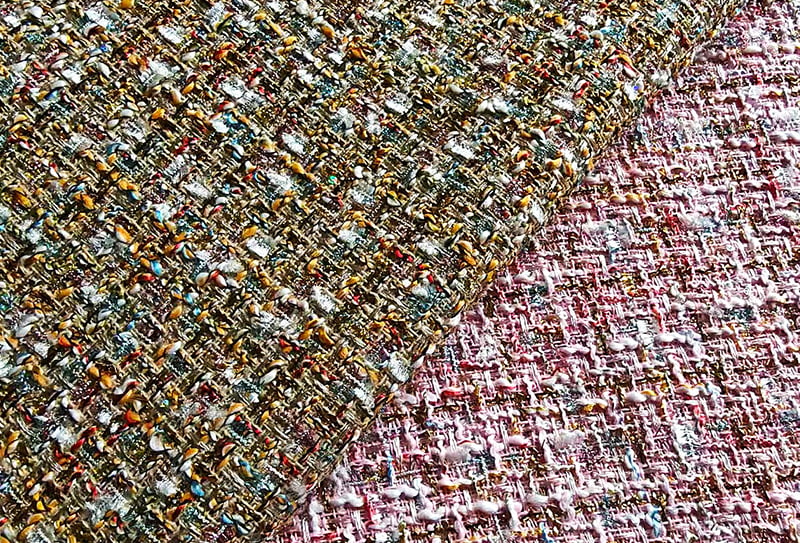
This 450g/148cm tweed fabric (item 1722) features a woven composite of gold and silver threads and sequins. Its thickened 450g/m weight imparts exceptional stiffness, while its 148cm width is optimize...
See Details -
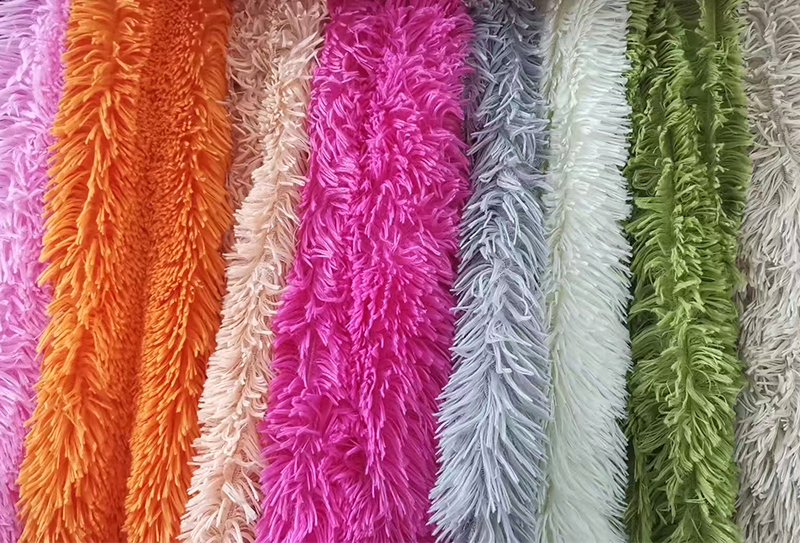
This 290gsm*165cm Haipai velvet fabric is easy to care for and 30mm thick, making it suitable for clothing, toys, pet beds, blankets, and other decorative applications. Its excellent wear resistance a...
See Details -
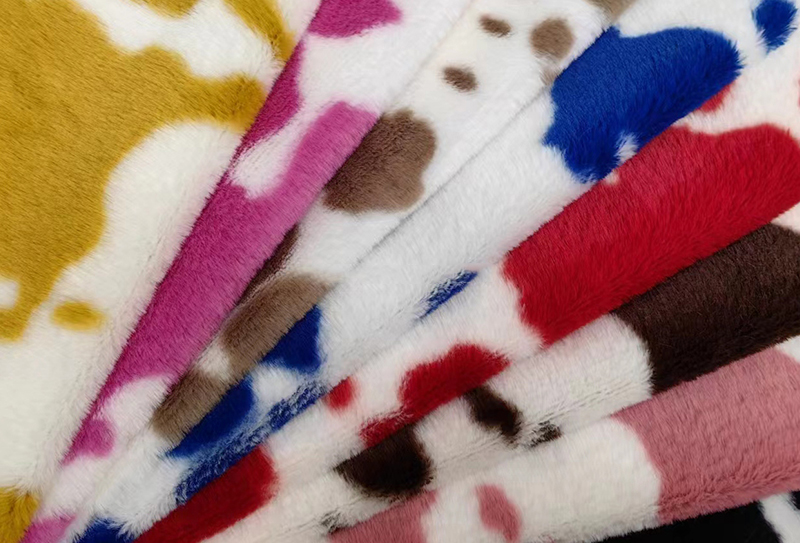
500g/160cm cow rabbit fur printed plush fabric uses printing technology to accurately restore the natural form of the black and white spots of the cow on the high-quality imitation rabbit fur base fab...
See Details -
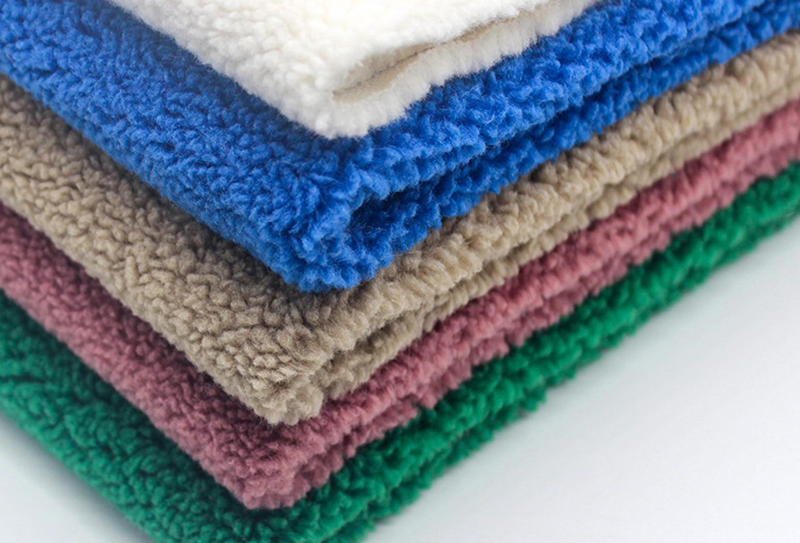
This 750mg*160cm wheat-ear grain plush fabric uses a dyeing process to create a natural, smooth, three-dimensional grain texture resembling wheat ears. The medium-heavy weight of 750g/m2 imparts the f...
See Details -
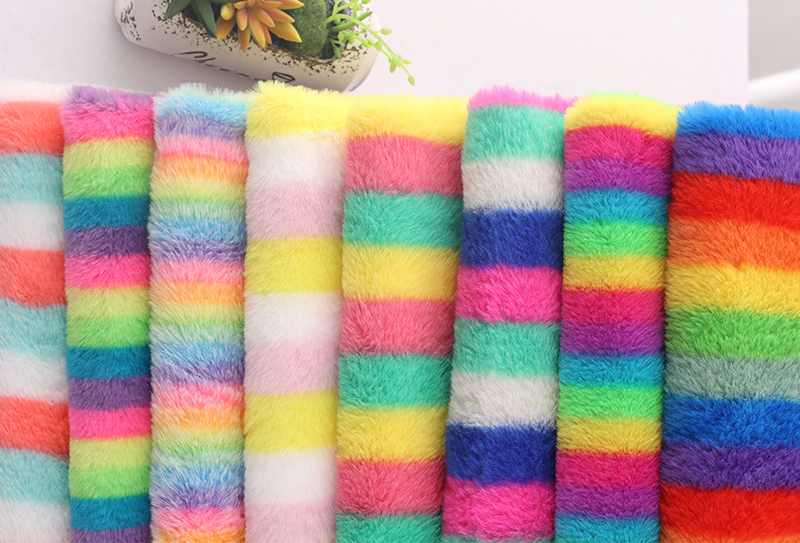
This 500mg*160cm colorful striped rabbit fur print plush fabric features a vibrant, colorful striped pattern on the imitation rabbit fur surface. Its moderate weight of 500g/m2 ensures softness and vo...
See Details
Contact us
 1027, Floor 1, Zone 1, Beilian Market, China Textile City, Keqiao District, Shaoxing City, Zhejiang Province, China
 +86-159 8821 9333

Copyright © Shaoxing Wanyi Textile Co., Ltd. All Rights Reserved
Custom Soft Faux Fur Fabric, Sherpa Fleece Material Manufacturers
