
 English
 中文简体
中文简体This 290gsm*165cm Haipai velvet fabric is easy to care for and 30mm thick, making it suitable for clothing, toys, pet beds, blankets, and other decorative applications. Its excellent wear resistance a...
See DetailsWhat Is Short Plush Fabric?
Content
Short plush fabric is a cut-pile textile with a pile height typically ranging from 1 mm to 5 mm. It has a dense, soft surface that resists matting under regular use. Manufacturers and wholesale buyers choose it for applications where a smooth, velvety finish is required without excessive bulk.
Key Characteristics of Short Plush Fabric
Pile Height and Surface Texture
The pile height of short plush fabric is its most defining feature. A shorter pile produces a tighter, more uniform surface. This makes the fabric easier to cut, sew, and maintain in industrial production environments.
- Pile height: 1 mm to 5 mm
- Surface density: high GSM (grams per square meter), typically 200–450 GSM
- Texture: smooth, consistent nap direction
- Abrasion resistance: higher than long-pile alternatives
Common Fiber Compositions
Most short plush fabrics use synthetic fibers because they offer consistent pile uniformity and cost efficiency at scale.
- 100% polyester: most common, low cost, easy to dye
- Polyester and nylon blend: improved durability and sheen
- Acrylic blends: softer hand feel, used in apparel
- Recycled polyester: growing use in sustainable sourcing programs
Main Types of Short Plush Fabric
Short plush fabrics are not all identical. They differ by fiber type, backing material, and surface finish. The table below shows the most common types and their primary differences.
| Type | Pile Height | Typical GSM | Primary Use |
|---|---|---|---|
| Velboa | 1–2 mm | 200–280 GSM | Toy stuffing, lining |
| Minky / Minkee | 2–3 mm | 280–350 GSM | Baby products, blankets |
| Short Sherpa | 3–5 mm | 320–450 GSM | Jacket lining, upholstery |
| Microplush | 1–2 mm | 150–220 GSM | Sportswear, fleece lining |
How Short Plush Fabric Is Made
Weaving and Cutting Process
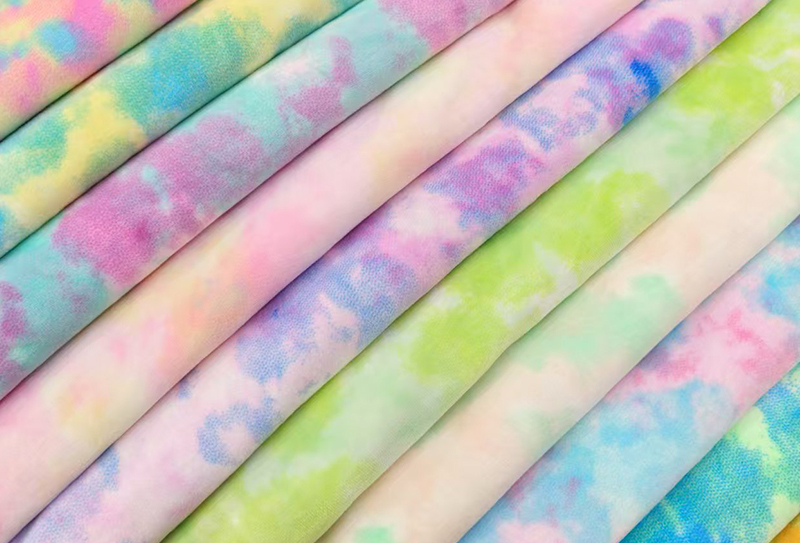
Short plush is produced using either a warp-knitting or weft-knitting process. After the base fabric is knitted, the pile loops are cut to a uniform height using precision shearing machines. The shearing step is critical because it directly determines the final pile height and surface evenness.
- Step 1: Yarn is fed into a circular or warp knitting machine
- Step 2: A loop pile structure is formed on the base fabric
- Step 3: The shearing machine cuts loops to the target pile height
- Step 4: Brushing and combing align the nap direction
- Step 5: Heat setting fixes the pile in place
Industrial Applications
Upholstery and Furniture
Short-pile plush fabric for upholstery is widely used in seating, headboards, and decorative panels. Its low pile height means it holds its shape under sustained pressure. It is also easier to clean than long-pile alternatives, which matters for commercial furniture buyers.
Apparel and Accessories
Garment manufacturers use soft, short plush fabric wholesale for jacket linings, hood interiors, and collar trims. The tight pile provides warmth without adding significant weight to the finished garment.
Toy and Novelty Manufacturing
Toy factories source short plush fabric by the yard for stuffed animals and plush figures. Safety standards in this category require low-pile fabrics with non-toxic dyes and stable backing materials.
Short Plush vs Long Pile Fabric
Buyers often compare short plush and long pile fabrics when selecting materials. The two types serve different purposes and have different performance characteristics. The comparison below outlines the key differences.
| Feature | Short Plush Fabric | Long Pile Fabric |
|---|---|---|
| Pile height | 1–5 mm | 10–50 mm |
| Abrasion resistance | High | Low to medium |
| Maintenance | Easy to clean | Requires more care |
| Production cost | Lower per meter | Higher per meter |
| Typical use | Upholstery, toys, lining | Outerwear, rugs, display |
| Matting risk | Low | High with heavy use |
As shown above, short plush fabric vs long pile fabric is not a matter of quality but of application fit. Short plush performs better in high-contact, high-frequency use environments.
Buying Guide for Wholesalers
What to Check Before Ordering
Wholesale buyers need to evaluate several technical parameters before placing bulk orders for short plush fabric types and uses. Ordering without these checks often leads to returns or production delays.
- GSM: request the exact weight per square meter, not an estimate
- Pile height tolerance: acceptable variance should be within ±0.3 mm
- Colorfastness rating: minimum Grade 4 on the ISO 105 scale for commercial use
- Backing type: knitted backing stretches; woven backing is more stable for cutting
- Shrinkage rate: Request wash test data before approving bulk production
- MOQ and lead time: confirm minimum order quantities and production schedules in writing
FAQ
What is the standard pile height for short plush fabric?
The pile height for short plush fabric generally falls between 1 mm and 5 mm. Velboa and microplush sit at the lower end, while short sherpa types reach up to 5 mm. Buyers should specify the exact pile height in millimeters when placing wholesale orders.
Is short plush fabric suitable for outdoor furniture upholstery?
Standard short plush is not rated for outdoor use because polyester pile absorbs moisture and can develop mildew without UV and water-resistant treatments. For outdoor applications, buyers should request solution-dyed acrylic or treated polyester variants with a waterproof backing.
How is short plush fabric priced at the wholesale level?
Wholesale pricing depends on GSM, fiber composition, pile height, and order volume. Polyester short plush typically ranges from USD 1.50 to USD 4.00 per meter at standard MOQ levels. Specialty finishes such as anti-pilling or flame-retardant treatments add to the base cost.
References
- ASTM International. (2021). ASTM D3512 – Standard Test Method for Pilling Resistance of Textile Fabrics. ASTM International.
- ISO. (2013). ISO 105-X12: Textiles – Tests for Colour Fastness – Part X12: Colour Fastness to Rubbing. International Organization for Standardization.
- Glock, R. E., & Kunz, G. I. (2005). Apparel Manufacturing: Sewn Product Analysis (4th ed.). Pearson Prentice Hall.
- Horrocks, A. R., & Anand, S. C. (Eds.). (2000). Handbook of Technical Textiles. Woodhead Publishing.
- Tortora, P. G., & Merkel, R. S. (2016). Fairchild's Dictionary of Textiles (8th ed.). Fairchild Books.
Hot News
-
-
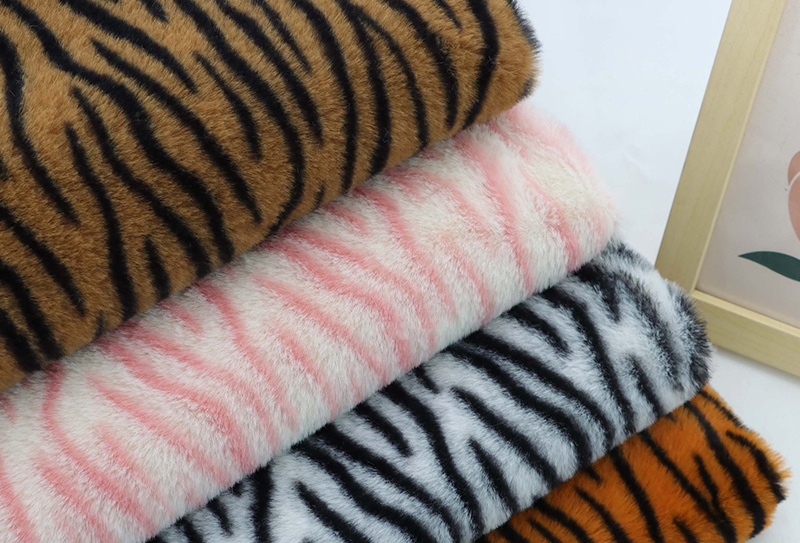
500g/160cm tiger-print rabbit fur print plush fabric uses printing technology to realistically present the wild stripes of tiger stripes on a high-quality imitation rabbit fur base fabric. The medium-...
See Details -
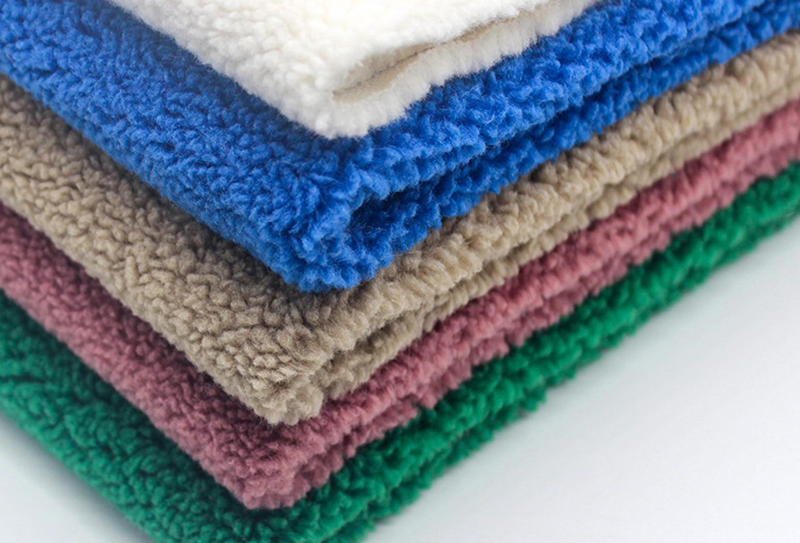
This 750mg*160cm wheat-ear grain plush fabric uses a dyeing process to create a natural, smooth, three-dimensional grain texture resembling wheat ears. The medium-heavy weight of 750g/m2 imparts the f...
See Details -
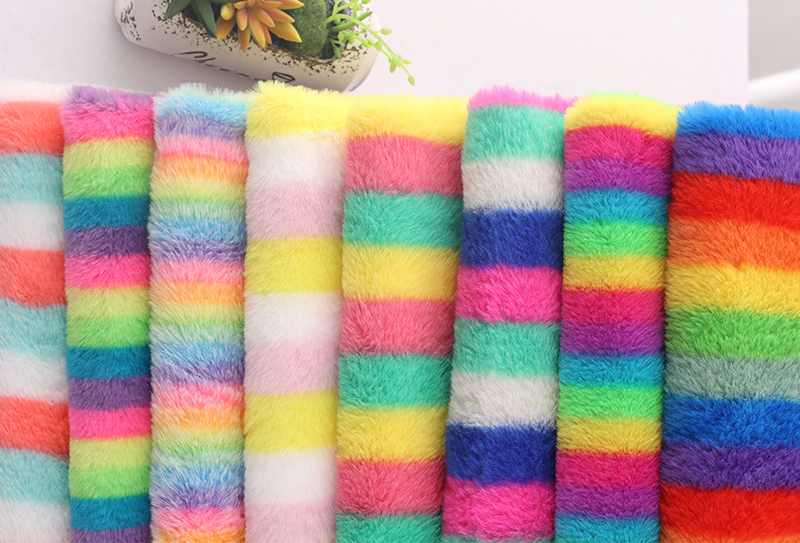
This 500mg*160cm colorful striped rabbit fur print plush fabric features a vibrant, colorful striped pattern on the imitation rabbit fur surface. Its moderate weight of 500g/m2 ensures softness and vo...
See Details -
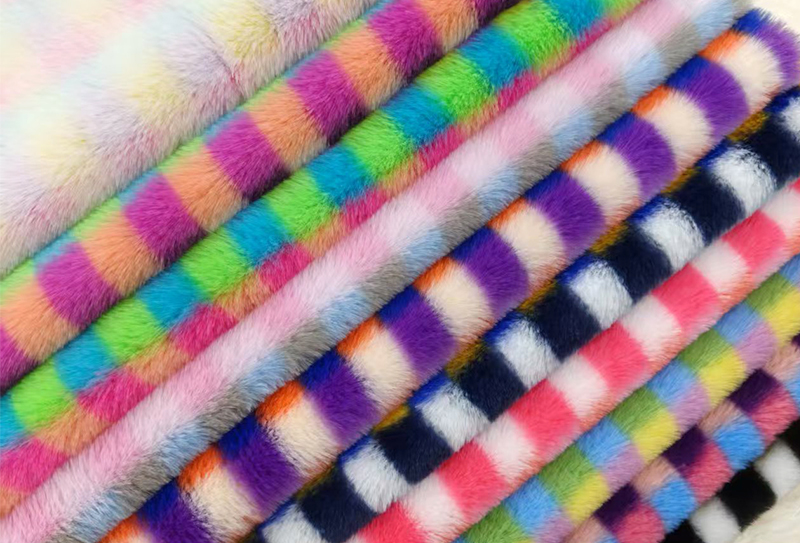
This 500mg*160cm checkered rabbit fur print plush fabric utilizes printing technology to create a clear, rich checkered pattern on the imitation rabbit fur surface. The medium weight of 500g/m ensures...
See Details -
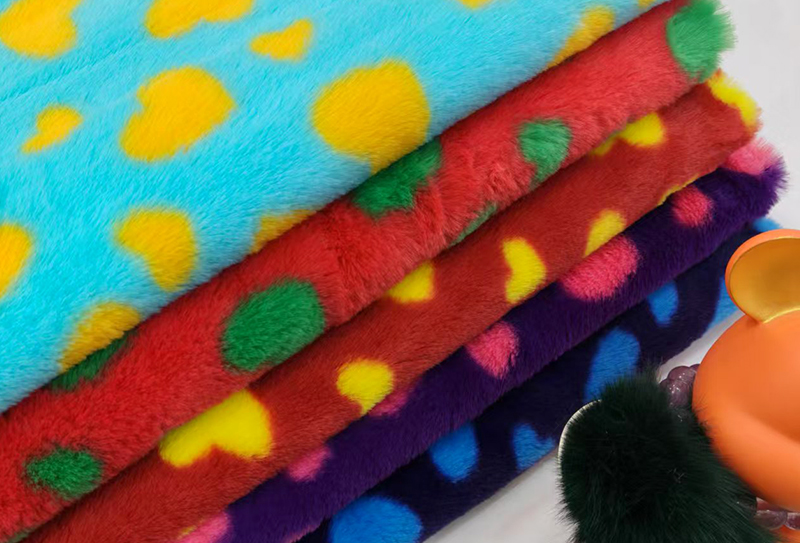
This 500mg x 160cm soft plush fabric with a heart print utilizes a printing process to create a clear, three-dimensional heart pattern on a 280g high-quality plush base fabric. The 500g/m lofty weight...
See Details
Contact us
 1027, Floor 1, Zone 1, Beilian Market, China Textile City, Keqiao District, Shaoxing City, Zhejiang Province, China
 +86-159 8821 9333

Copyright © Shaoxing Wanyi Textile Co., Ltd. All Rights Reserved
Custom Soft Faux Fur Fabric, Sherpa Fleece Material Manufacturers
