
 English
 中文简体
中文简体This 290gsm*165cm Haipai velvet fabric is easy to care for and 30mm thick, making it suitable for clothing, toys, pet beds, blankets, and other decorative applications. Its excellent wear resistance a...
See DetailsWhat Makes Short Pile Minky Fabric Different from Standard Plush?
Content
- 1 Defining the Core Material
- 2 Five High-Volume Search Terms for Industry Professionals
- 3 Technical Specifications and Material Science
- 4 Industrial Applications and Use Cases
- 5 Manufacturing and Quality Assurance
- 6 Maintenance Protocols for Longevity
- 7 Frequently Asked Questions (FAQ)
- 8 References and Further Reading
In the realm of specialty textiles, few materials balance tactile appeal with engineering precision quite like short-pile minky fabric. Known for its signature plush surface and dense fiber construction, this fabric has evolved from a simple craft staple into a sophisticated textile used in high-end baby products, technical apparel, and luxury home goods. For procurement specialists, product developers, and manufacturing engineers, understanding the nuances of this fabric is critical for quality control and application-specific sourcing. This guide provides a deep dive into the technical specifications, comparative advantages, and manufacturing considerations of short-pile minky.
Defining the Core Material
Short-pile minky fabric is a warp-knit textile manufactured from 100% polyester microfiber. Its defining characteristic is the dense, cut or looped pile that stands perpendicular to the ground fabric. Unlike standard plush fabrics, the "short pile" specification refers to a fiber length typically ranging from 1.0 mm to 3.0 mm. This precise engineering results in a fabric that offers the signature softness of minky but with enhanced stability and reduced bulk, making it ideal for precision manufacturing applications [citation:2][citation:5][citation:10].
Five High-Volume Search Terms for Industry Professionals
To navigate the commercial landscape of this textile industry, buyers often utilize specific long-tail queries. Understanding these terms is essential for aligning product specifications with market demand.
- polyester microfiber plush fabric: This term highlights the raw material (polyester microfiber) and the plush construction, which is critical for buyers focused on raw material specifications and fiber diameter.
- low pile minky fabric by the yard: A logistical keyword indicating a need for specific pile heights and unit measurements, essential for inventory planning and manufacturing runs.
- anti-pill minky fabric for blankets: This term addresses a key performance metric—pilling resistance—which is a primary concern for end-user satisfaction in the home textile sector.
- minky fabric 1.5mm pile: A highly specific technical query for a standard pile height used in quilting and structured plush toys, indicating a precise engineering requirement [citation:5][citation:10].
- Oeko-Tex certified short pile fabric: This search reflects the growing regulatory and safety standards in the textile industry, particularly for infant and children's products, emphasizing the need for certified non-toxic materials [citation:6].
Technical Specifications and Material Science
The performance of short-pile minky fabric is directly linked to its construction. It is produced through a warp knitting process, which provides dimensional stability and prevents fraying. The pile is formed by raising loops from the knitted base, which are then sheared to a uniform height. The quality of the final product depends on the denier of the microfiber (typically less than 1.0 denier) and the density of the pile per square inch.
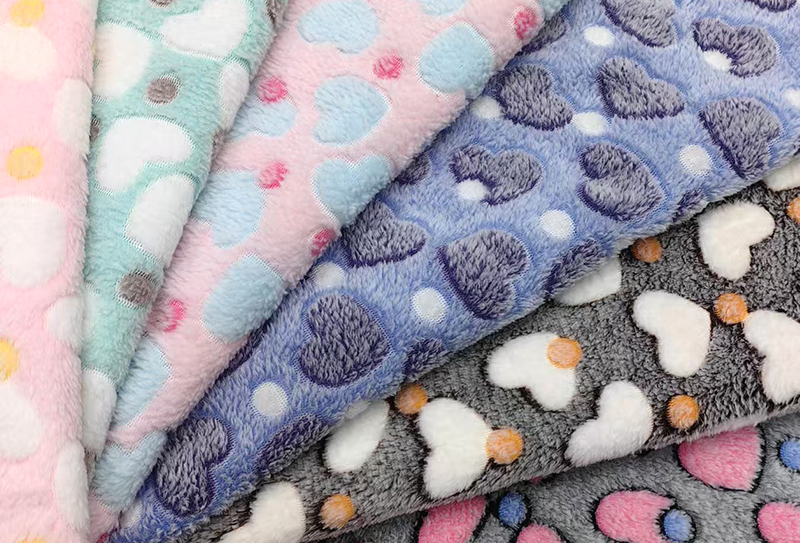
Key Physical Properties
- Fiber Content: 100% Polyester. This ensures durability, colorfastness, and resistance to shrinking and stretching compared to natural fibers.
- Fabric Construction: Warp Knit. This provides a run-resistant structure and a stable backing, which is crucial for industrial cutting and sewing processes.
- Pile Height Range: 1.0mm - 3.0mm. The tight control of this dimension is what differentiates it from standard minky or faux fur [citation:2][citation:7].
- Weight (GSM): Typically ranges from 180 to 330 grams per square meter, depending on the density of the knit and the pile height. A common weight for apparel-grade fabric is 225 GSM [citation:2][citation:8].
- Dimensional Stability: High-quality short-pile minky exhibits minimal shrinkage, often rated at 1-2% in length and 0-1% in width after industrial laundering [citation:4].
Comparative Analysis: Short Pile vs. Standard Pile
Choosing between pile heights is a critical decision in product design. The following table outlines the engineering and performance trade-offs between short pile and standard (3mm-5mm) minky fabric.
| Property | Short Pile Minky (1.0mm - 2.0mm) | Standard/Long Pile Minky (3.0mm - 5.0mm+) |
|---|---|---|
| Pile Height | Uniform, low profile (e.g., 1.5mm) | High profile, can exceed 10mm |
| Drape & Hand | Superior drape; less bulky, more flexible | Stiffer drape; holds shape but is bulky |
| Sewability | High; minimal seam slippage, easier feeding | Moderate; requires walking foot, high risk of nap shifting |
| Shedding (Linting) | Low; cleaner cutting environment | Highly significant lint during conversion |
| Primary Applications | Precision toys, apparel, quilt backing | Throw blankets, pillows, outerwear |
As the data suggests, low pile minky fabric by the yard is often specified for complex manufacturing where precision and minimal waste are paramount, whereas longer piles are selected for purely aesthetic, high-volume plush applications [citation:1][citation:10].
Industrial Applications and Use Cases
The technical properties of short-pile minky make it suitable for a wide range of commercial applications. Its performance characteristics must align with the end-use environment.
Precision-Crafted Plush Toys and Collectibles
For manufacturers of high-end plush toys, the material's ability to hold fine seams and its resistance to pile shifting are non-negotiable. Minky fabric with a 1.5mm pile is frequently specified for detailed animal sculptures or character toys where distinct features and clean lines are required. The shorter pile prevents the "muffled" look that longer piles can create around embroidered details or joint attachments [citation:7][citation:10].
Quilting and Structured Home Textiles
Quilters and industrial bedding manufacturers value this fabric for its stability. When used as a backing for quilts, the low pile interacts with quilting machines without excessive buildup, ensuring even feed and consistent stitch quality. It is also the preferred substrate for structured items like padded bassinet liners or technical nursing pillows due to its durability and ease of cleaning [citation:1].
Performance and Safety in Baby Products
Safety certifications are paramount in the infant sector. The demand for Oeko-Tex certified short-pile fabric is driven by regulations concerning harmful substances. The fabric's dense, short-pile construction is inherently more resistant to fiber shedding, reducing the risk of inhalation or ingestion by infants, while its 100% polyester composition allows for rigorous sterilization and washing protocols without degradation [citation:6].
Manufacturing and Quality Assurance
Sourcing anti-pill minky fabric for blankets requires an understanding of the finishing processes. Anti-pill ratings are determined by how the polyester fibers are treated and sheared.
The Anti-Pill Finish
Pilling occurs when loose fibers tangle into small balls on the fabric surface. High-grade short-pile minky undergoes a singeing process where the fabric surface is passed over a flame to melt and remove protruding fibers. This is followed by a shearing process that ensures all pile fibers are cut to an exact, uniform length. This mechanical finishing creates a smooth, stable surface with a pilling rating of 4 or 5 (on a scale where 5 is no pilling) [citation:2][citation:4].
When sourcing polyester microfiber plush fabric for bulk orders, buyers must verify several parameters beyond the initial sample. Key verification points include the exact GSM (weight) to ensure shipping costs and material yield are accurate, the specific knitting construction (e.g., tricot knit vs. raschel knit), which affects stretch and recovery, and the lot number to ensure color consistency across large production runs [citation:8].
Maintenance Protocols for Longevity
For B2B buyers, providing accurate care instructions is vital for brand reputation. The engineering of short-pile minky dictates specific care protocols. High heat is the primary enemy; it can collapse the pile or even melt the polyester fibers. Industrial laundering should utilize cold water cycles and low-temperature tumble drying. The use of fabric softeners is generally discouraged as they can coat the fibers and reduce the fabric's inherent wicking and softness properties [citation:1][citation:5].
Frequently Asked Questions (FAQ)
What is the exact definition of "short pile" in minky fabric?
In textile engineering, "short pile" specifically refers to the length of the fibers standing upright from the base fabric. For minky fabric, this is technically defined as a pile height of 3.0 mm or less. The most common industrial specifications for short pile are 1.0 mm, 1.5 mm, and 2.0 mm. This contrasts with standard minky, which typically features a 3 mm to 5 mm pile, and faux fur, which can exceed 10 mm [citation:2][citation:5][citation:10].
Is short-pile minky fabric easier to sew than standard minky for mass production?
Yes, significantly. Due to its lower profile, short-pile minky fabric exhibits less "nap drag" on industrial feeding mechanisms. It reduces the risk of layers shifting during automated cutting and sewing. While a walking foot is still recommended for optimal results, the lower bulk minimizes seam slippage and lint accumulation in machinery, leading to higher efficiency and fewer defects in mass production environments compared to its longer-pile counterparts [citation:1][citation:10].
How does one verify the quality of polyester microfiber plush fabric before a bulk purchase?
Quality verification should be a multi-step process. First, request a physical swatch and measure the pile height with a calibrated gauge to confirm the 1mm-3mm specification. Second, conduct a pilling test (e.g., Martindale method) to ensure a rating of 4 or higher. Third, review the technical data sheet for shrinkage values (should be <3%). Finally, and most critically, verify the certification status, such as Oeko-Tex Standard 100, to ensure compliance with restricted substance lists, especially for apparel or children's products [citation:4][citation:6][citation:8].
References and Further Reading
- Betzina, S. (2017). All New Fabric Savvy. The Taunton Press. [Adapted in Threads Magazine] [citation:1]
- Spoonflower. (n.d.). Minky Fabric Specifications. Technical Data Sheet for Printable Minky. [citation:2][citation:4]
- Shannon Fabrics. (n.d.). Quilting Cuddle® Solids. Product Specification Sheet for 1.5mm Pile. [citation:5]
- X-Texture. (2025). What is Minky Fleece Fabric: A Comprehensive Guide. Industry Overview and Manufacturing Process. [citation:6]
- kullaloo. (2024). SuperSoft SHORTY Minky Fabric. Technical Product Details and Sewing Guide. [citation:10]
- Lazy Lamb Plush. (n.d.). FAQ: Minky Fabric Properties. [citation:7]
Hot News
-
-
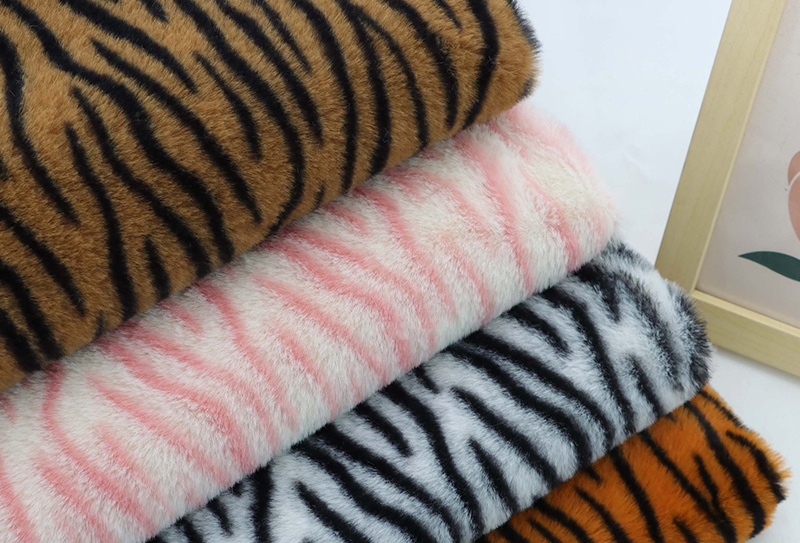
500g/160cm tiger-print rabbit fur print plush fabric uses printing technology to realistically present the wild stripes of tiger stripes on a high-quality imitation rabbit fur base fabric. The medium-...
See Details -
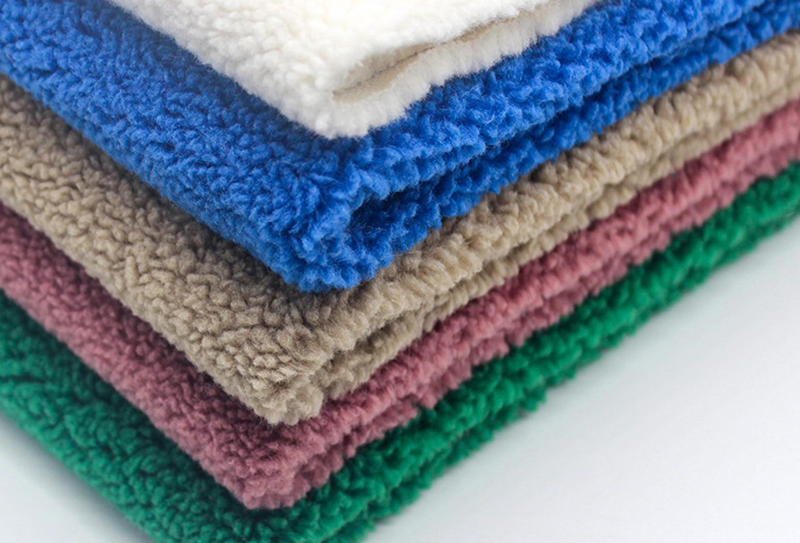
This 750mg*160cm wheat-ear grain plush fabric uses a dyeing process to create a natural, smooth, three-dimensional grain texture resembling wheat ears. The medium-heavy weight of 750g/m2 imparts the f...
See Details -
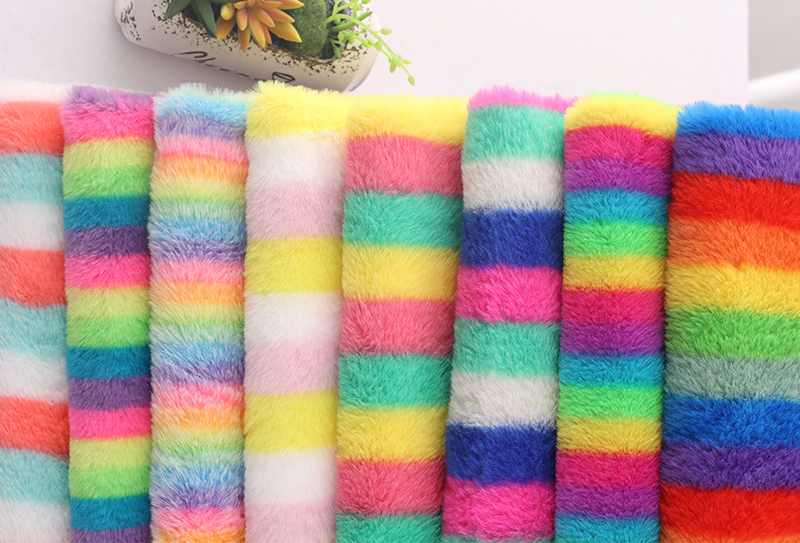
This 500mg*160cm colorful striped rabbit fur print plush fabric features a vibrant, colorful striped pattern on the imitation rabbit fur surface. Its moderate weight of 500g/m2 ensures softness and vo...
See Details -
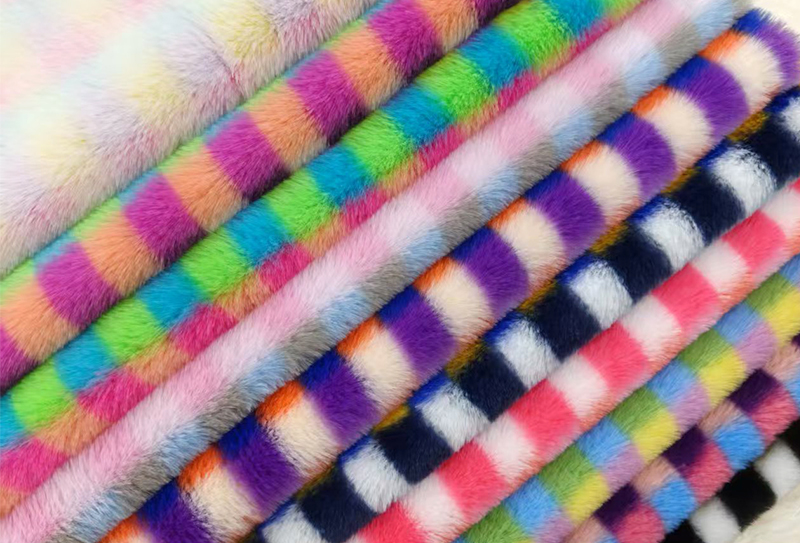
This 500mg*160cm checkered rabbit fur print plush fabric utilizes printing technology to create a clear, rich checkered pattern on the imitation rabbit fur surface. The medium weight of 500g/m ensures...
See Details -
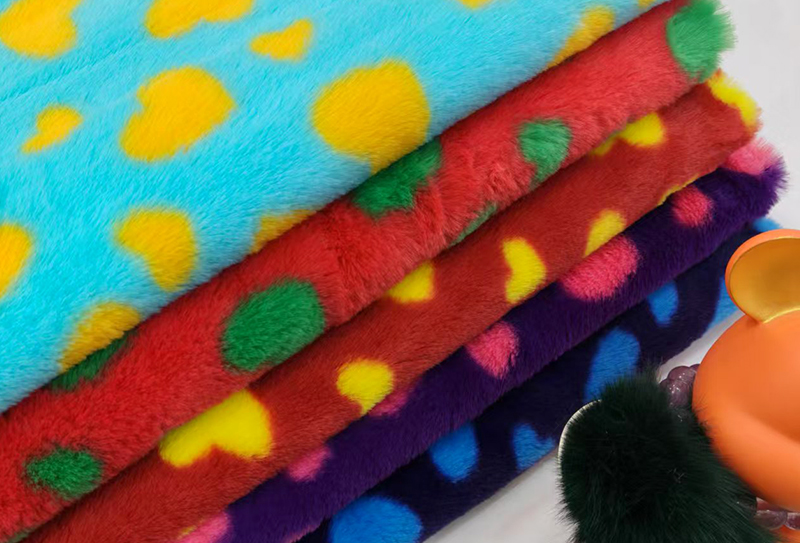
This 500mg x 160cm soft plush fabric with a heart print utilizes a printing process to create a clear, three-dimensional heart pattern on a 280g high-quality plush base fabric. The 500g/m lofty weight...
See Details
Contact us
 1027, Floor 1, Zone 1, Beilian Market, China Textile City, Keqiao District, Shaoxing City, Zhejiang Province, China
 +86-159 8821 9333

Copyright © Shaoxing Wanyi Textile Co., Ltd. All Rights Reserved
Custom Soft Faux Fur Fabric, Sherpa Fleece Material Manufacturers
