
 English
 中文简体
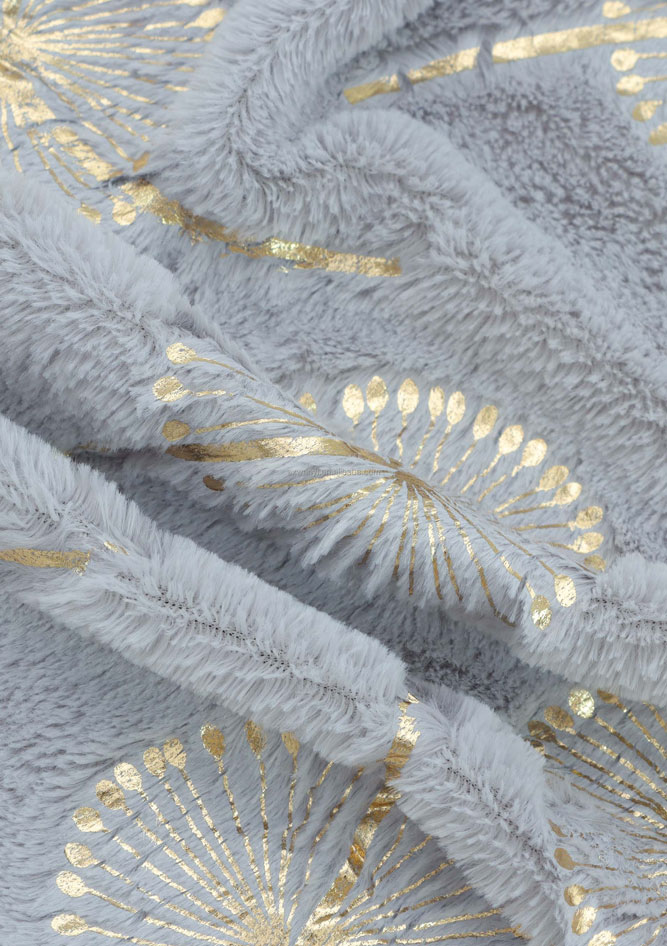
中文简体This 700mg*160cm Fair Isle cashmere curly grain fabric utilizes a modified Scottish Fair Isle weaving technique, achieving a three-dimensional curly grain texture through a special raising technique. ...
See DetailsWhat is Soft Faux Fur Made Of?
Content
- 1 The Polymer Foundation: Primary Raw Materials
- 2 The Engineering of Softness: Fiber Morphology and Construction
- 3 Application-Specific Material Requirements
- 4 Manufacturing Process: From Polymer to Plush
- 5 Sustainability and Material Sourcing
- 6 Frequently Asked Questions (FAQ)
- 6.1 1. Is 100% polyester faux fur softer than acrylic blends?
- 6.2 2. Can soft faux fur fabric be used for baby blankets safely?
- 6.3 3. How does fiber composition affect the care of the fabric?
- 6.4 4. What should I look for when buying soft faux fur fabric by the yard online?
- 6.5 5. Why is my fluffy faux fur fabric losing its softness after sewing?
- 7 References
What is Soft Faux Fur Made Of?
In the realm of modern textiles, soft faux fur fabric stands as a testament to material science, offering the luxurious aesthetics of animal pelts without ethical compromises. For B2B buyers, wholesalers, and product developers, understanding the precise engineering behind this material is not just academic—it is fundamental to sourcing, quality control, and product development. This guide dissects the molecular composition, fiber engineering, and manufacturing processes that define high-end synthetic plush materials.
The Polymer Foundation: Primary Raw Materials
Contrary to popular belief, soft faux fur fabric is rarely a single-fiber product. It is an engineered composite of synthetic polymers, each selected for specific performance characteristics. The "hand feel" (a technical term for the tactile quality) is determined by the precise ratio and quality of these base components.
Comparative Analysis of Base Fibers
The selection of fiber type dictates the fabric's suitability for end-uses such as premium soft faux fur fabric for upholstery versus fashion apparel. Below is a technical breakdown of the primary polymers used.
| Fiber Type | Molecular Characteristics | Advantages | Limitations | Typical Application |
|---|---|---|---|---|
| Polyester (PET) | Thermoplastic polymer; high tensile strength; hydrophobic. | Excellent wrinkle resistance (elastic recovery), durability, colorfastness, and facilitates recycled content (rPET). Provides structural integrity to the backing . | Can be less insulating than acrylic if not specifically engineered; static buildup. | Backing fabrics, soft faux fur fabric by the yard for upholstery, shaggy furs . |
| Acrylic | Polymerized acrylonitrile; known for its volume and heat retention. | Superior loft and bulk; mimics the insulating properties of wool; creates a matte, natural fur appearance . | Lower abrasion resistance than polyester; can pill if low-grade; less wrinkle-resistant . | High-pile fluffy soft faux fur fabric for sewing, animal-like textures, shag fabrics . |
| Modacrylic | A copolymer of acrylonitrile and vinyl chloride; inherently flame-retardant. | Self-extinguishing properties; softness similar to acrylic; chemical resistance . | More expensive than standard acrylic or polyester. | Children's sleepwear, baby blankets, aircraft upholstery (safety-critical applications) . |
| Polyamide (Nylon) | Polyamide polymer; high crystallinity. | Extremely high abrasion resistance; allows for very fine denier fibers (microfiber) for ultimate softness . | Lower moisture absorbency; can be stiffer if not properly finished. | Luxury trims, high-end detailing, reinforcement in blends . |
Note: The quest for what is the softest faux fur fabric typically leads to blends utilizing microdenier polyester or specialized modacrylic mixes, where fiber diameter (denier) is minimized .
The Engineering of Softness: Fiber Morphology and Construction
The raw polymer is merely the starting point. The perception of "softness" in soft faux fur fabric is a quantifiable property engineered at the fiber and fabric level.
Fiber Denier and Cross-Section
Denier (the linear mass density of a fiber) is the critical metric. Fibers with a lower denier are finer, more flexible, and produce a softer tactile sensation. High-end manufacturers utilize microfibers (less than 1 denier) to achieve the buttery-soft hand feel demanded by markets looking for soft faux fur fabric for baby blanket applications. Furthermore, fiber cross-sections (e.g., trilobal vs. round) are modified to alter light reflectance and wicking properties, mimicking the luster of specific animal furs .
Pile Density and Height
The density of fibers per square inch is directly correlated with quality and resilience. A higher density provides a more realistic, lush appearance and prevents the backing from showing through. This is a key quality differentiator for premium soft faux fur fabric for upholstery, which must withstand compression and friction.
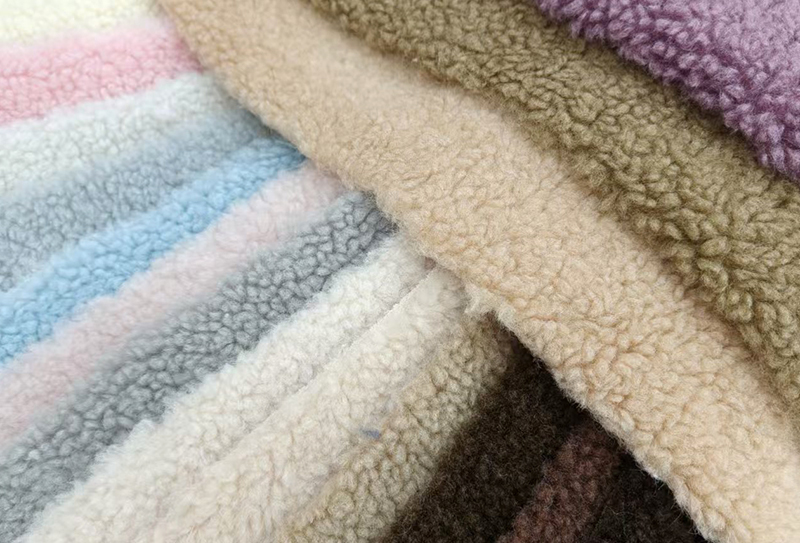
- Low Pile (1mm-10mm): Often used for sherpa styles (100% polyester) and linings. Offers durability and easy care .
- Medium Pile (10mm-30mm): Standard for apparel and accessories; balances softness with practicality.
- High Pile (30mm+): Characteristic of fluffy soft faux fur fabric for sewing dramatic costumes or plush toys. Requires specific sewing techniques like longer stitch lengths and walking feet to manage bulk .
Backing Construction: The Hidden Foundation
When procuring soft faux fur fabric by the yard, B2B buyers must scrutinize the backing. It is typically a woven or knit structure, usually 100% polyester, that anchors the pile fibers.
- Woven Backing: Provides superior dimensional stability and minimal stretch, ideal for upholstery and structured garments .
- Knit Backing: Offers more drape and flexibility, suitable for clothing and accessories. High-quality knit backings resist fraying, facilitating cleaner edges during manufacturing .
Application-Specific Material Requirements
The ideal material composition shifts dramatically based on the end-use. A blanket requires different chemistry than a sofa cover.
Material Safety and Chemistry for Infant Products
For soft faux fur fabric for baby blanket production, the material specifications are governed by safety and hypoallergenic properties.
- Fiber Content: Blends of modacrylic and polyester are common due to their inherent flame resistance and softness . 100% polyester options are also prevalent for their ease of cleaning and hypoallergenic nature .
- Chemical Restrictions: Fabrics must comply with regulations regarding heavy metals, phthalates, and formaldehyde. Certifications like OEKO-Tex Standard 100 are critical benchmarks, ensuring the entire textile product is free from harmful substances .
- Shedding Resistance: The fiber anchorage in the backing must be impeccable to prevent inhalation or ingestion risks.
Durability and Structural Integrity for Upholstery
Selecting premium soft faux fur fabric for upholstery requires a focus on mechanical performance.
- Abrasion Resistance: Measured by the Wyzenbeek or Martindale test (cycles). Upholstery-grade faux fur, often a printed knit polyester, must withstand thousands of rubs without matting or fiber loss .
- Pilling Resistance: High-quality acrylic blends or treated polyesters are necessary to resist the formation of small fiber balls on the surface.
- Backing Strength: A high-density woven backing is non-negotiable to resist the shear forces of furniture construction and daily use.
Manufacturing Process: From Polymer to Plush
The transformation of synthetic polymers into a convincing fur involves a multi-stage industrial process that B2B buyers should understand to appreciate cost and quality drivers.
Step 1: Fiber Extrusion and Texturizing
The process begins with melting polymer chips (e.g., polyester or acrylic) and extruding them through a spinneret—a device resembling a showerhead with thousands of tiny holes. The shape of these holes determines the fiber's cross-section. The extruded filaments are then stretched (drawn) to align the polymer chains, increasing strength. To achieve the crimp and bulk associated with fur, fibers are texturized using air jets or heat .
Step 2: Pile Knitting or Weaving
The texturized fibers are introduced into a backing fabric during construction. For most plush fabrics, a specialized knitting machine (warp knitting) creates a loop structure. The synthetic fibers are knitted into the base structure, forming loops that will become the pile. This process allows for precise control over pile height and density .
Step 3: Finishing and Shearing
This stage defines the final aesthetic and hand feel.
- Shearing: The fabric passes through giant rotary blades that cut the loops to a uniform height, creating a level, velvet-like surface or a textured, multi-level pile.
- Heat Setting: The fabric is passed over heated rollers to set the fibers in their desired direction (laying the pile) and to stabilize the dimensions .
- Brushing and Polishing: Rotating brushes lift and separate the fibers, enhancing softness and loft. Polishing adds a subtle sheen.
- Printing and Dyeing: To achieve realistic patterns (like mink or cheetah), sophisticated printing techniques apply multiple layers of color. Piece dyeing is used for solid colors .
Sustainability and Material Sourcing
Modern supply chains demand transparency and eco-consciousness. At Zhejiang Shaoxing Wanyi Textile Technology Co., Ltd., we integrate sustainability into our material selection. Established in 2019 and strategically located on the 1st floor of Zone 1, Keqiao North Link Market (Asia's largest textile trading center), we leverage our 16 years of experience in plush series products to offer solutions that meet global standards.
Our operational model prioritizes green textile technology. We specialize in plain colors, PV velvet, faux fur, foil, embroidery, and brushing processes. By carefully selecting partner factories, we ensure that our materials—whether for the US, Russia, India, or European markets—provide competitive advantages through quality and responsible sourcing. Our mission is to contribute to green textile technology while delivering value, moving towards our vision of becoming the world's number one manufacturer of plush fabrics. We act for good, using the correct way of thinking to guide our business.
Frequently Asked Questions (FAQ)
1. Is 100% polyester faux fur softer than acrylic blends?
It depends on the fiber engineering. 100% polyester microfiber faux fur can be exceptionally soft and is often preferred for its durability and ease of care . Acrylic blends, however, can provide a warmer, more matte, and "fluffy" texture that some markets equate with luxury. For what is the softest faux fur fabric, look for microdenier polyester or high-quality modacrylic blends .
2. Can soft faux fur fabric be used for baby blankets safely?
Yes, but only if specified. Soft faux fur fabric for baby blanket applications must meet stringent safety standards. This involves using fibers that are hypoallergenic and free from harmful chemicals (OEKO-Tex certified). Modacrylic/polyester blends are common for their softness and inherent flame resistance .
3. How does fiber composition affect the care of the fabric?
Significantly. 100% polyester faux furs are generally machine washable (gentle cycle, cold water) and can be tumble dried low, making them ideal for items requiring frequent cleaning . Acrylic-heavy blends or premium soft faux fur fabric for upholstery with dense backings often require dry cleaning to prevent matting or shrinkage .
4. What should I look for when buying soft faux fur fabric by the yard online?
B2B buyers should request technical specifications including: fiber percentage by weight, pile height (in mm), backing type (woven/knit), weight (GSM), and abrasion resistance (if for upholstery). Ask for a physical or digital sample to verify the "hand feel" and check for certifications like OEKO-Tex .
5. Why is my fluffy faux fur fabric losing its softness after sewing?
This is often due to technique rather than material. When working with fluffy soft faux fur fabric for sewing, seams can trap fibers. To maintain softness, use a longer stitch length, a walking foot to prevent layers from shifting, and after sewing, use a pin or soft brush to gently tease out the fibers caught in the seam allowances .
References
- G-STAR. (n.d.). Faux Fur Soft Peacoat - Material Description. g-star.com.
- FabricLA. (2025). Faux Fur for Crafts – Add Luxury & Texture to DIY Projects. fabricla.com.
- Luchang Textile. (2025). Can faux fur be used for throws? luchangfabric.com.
- Pottery Barn Kids. (n.d.). Luxe Faux Fur Baby Blankets - Product Details. potterybarnkids.com.
- JOANN. (n.d.). PKL Studio Jeneau Upholstery Fabric - Technical Specs. joann.com.
- kullaloo CA Inc. (n.d.). kullaloo faux fur: FANTASTIC Furs - Material Properties. kullaloo.ca.
- Los Angeles Times. (2011). Fake fur: How it's made today. latimes.com.
- Keyshine Fashion. (2025). Are faux fur jackets resistant to wrinkles? kshinejacket.com.
- Shannon Fabrics. (n.d.). Luxury Shag Fur Caramel - Product Detail. shannonfabrics.com.
- Shannon Fabrics. (n.d.). Sherpa Fur Gray - Product Detail. shannonfabrics.com.
Hot News
-
-
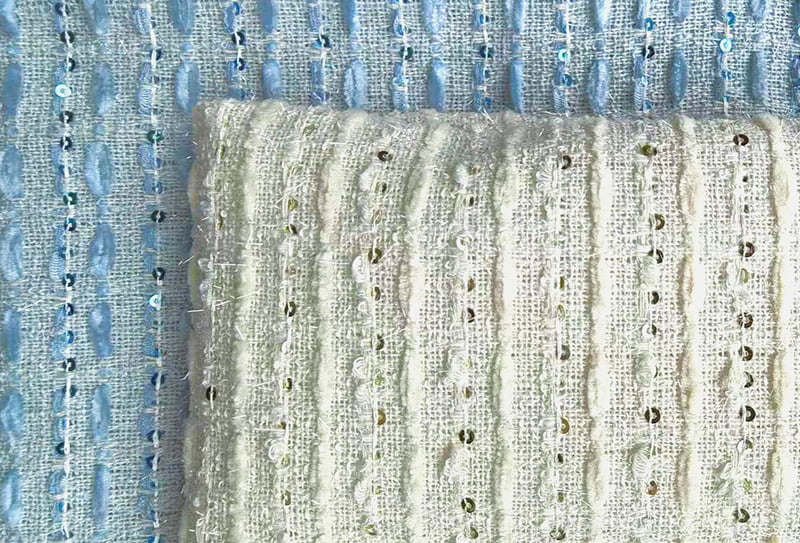
The 425g/148cm wrinkle-resistant and wear-resistant tweed fabric/Chanel-style woven fabric (item number 897331) adopts a composite weaving process of high-count blended yarn and precision sequins. The...
See Details -
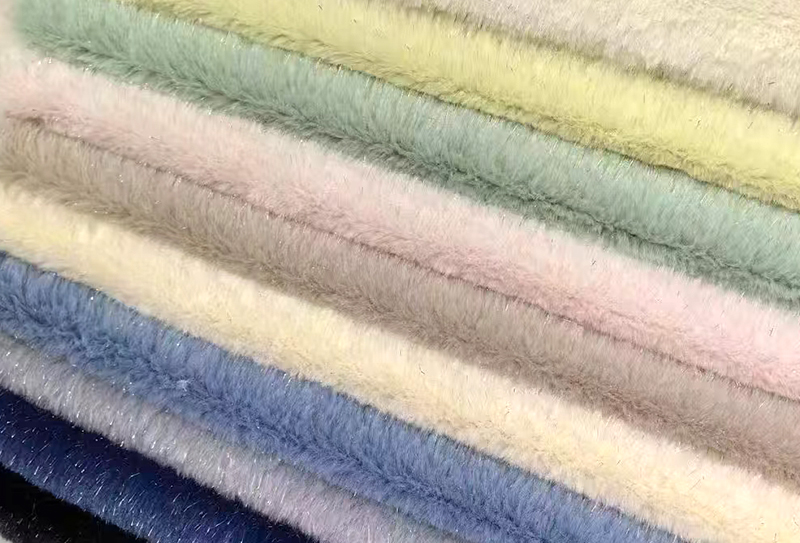
This 550g*160cm silver rabbit fur fabric combines the luster of silver thread with the softness and warmth of rabbit fur, offering both decorative and practical applications. It's suitable for clothin...
See Details -
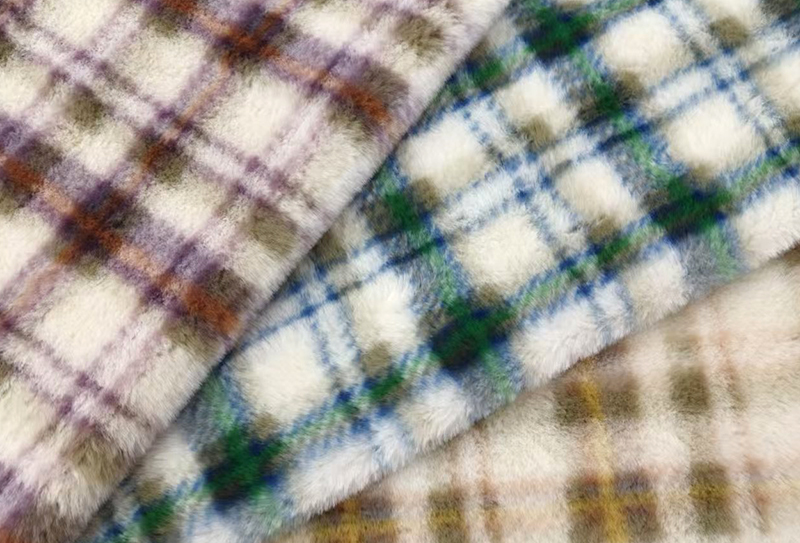
The 500g/160cm rabbit fur printed beautiful check fabric adopts a printing process to present an exquisite three-dimensional checkered pattern on a high-quality imitation rabbit fur base fabric. The m...
See Details -
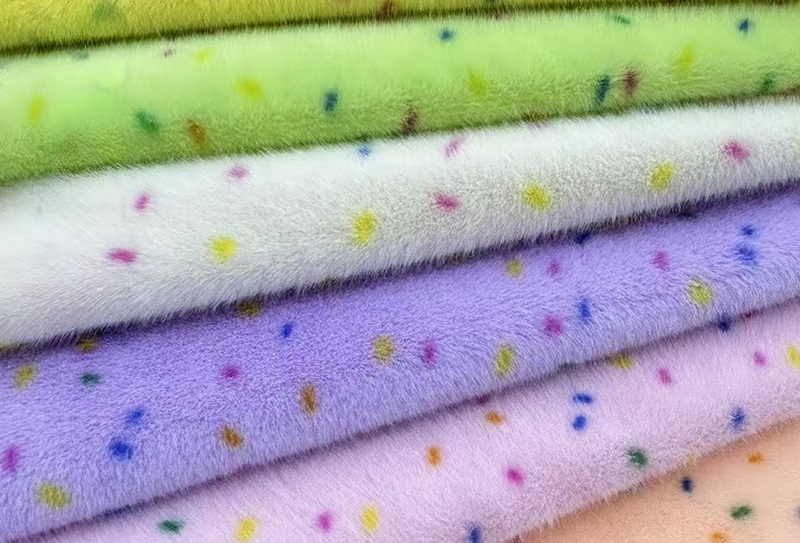
European mink print with colorful dots500 GSM160mm width100% polyesterStarting from 1 meter: 30 RMB/meter500 meters: 18 RMB/meterOver 1000 meters: 16 RMB/meterPrices are in RMB.The fabric features a c...
See Details -
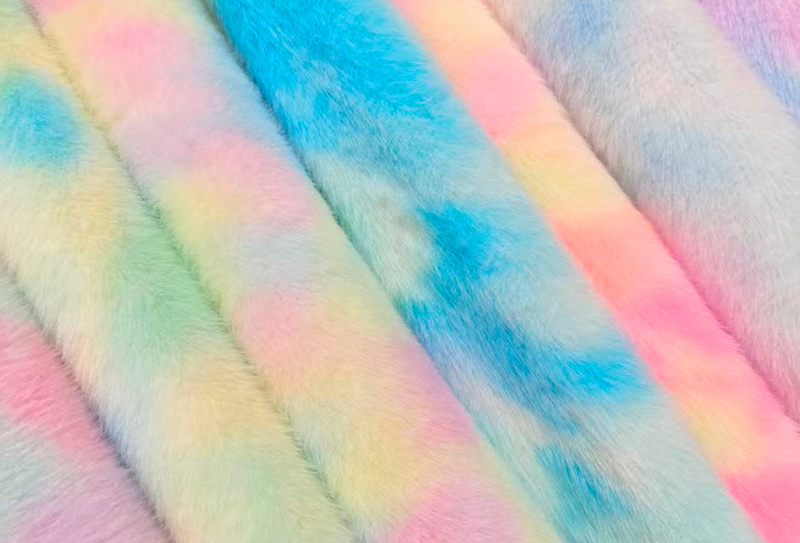
European mink print rainbow colors500 GSM160mm width100% polyesterStarting from 1 meter: 30 RMB/meter500 meters: 18 RMB/meterOver 1000 meters: 16 RMB/meterPrices are in RMB.This 500GSM European faux m...
See Details
Contact us
 1027, Floor 1, Zone 1, Beilian Market, China Textile City, Keqiao District, Shaoxing City, Zhejiang Province, China
 +86-159 8821 9333

Copyright © Shaoxing Wanyi Textile Co., Ltd. All Rights Reserved
Custom Soft Faux Fur Fabric, Sherpa Fleece Material Manufacturers
