
 English
 中文简体
380gsm, 160cm, durable and wear-resistant Tosca plush fabric, suitable for toys, clothing, shoes, hats, and more. This fabric offers excellent wear resistance and durability, making it suitable for a ...
See Details3D Embossed Jacquard Short Plush vs. Printed Plush: Visual Depth and Washing Fastness
Content
- 1 What Are 3D Embossed Jacquard Short Plush and Printed Plush?
- 2 Visual Depth: Where the Two Fabrics Truly Differ
- 3 Washing Fastness: Structural Color vs. Surface Color
- 4 3D Embossed Jacquard Short Plush vs. Printed Plush: Comparison Table
- 5 How to Choose the Right Plush Fabric for Your Product Line
- 6 Frequently Asked Questions
When sourcing plush fabrics, buyers often compare two very different routes to patterned surfaces: 3D Embossed Jacquard Short Plush and Printed Plush. Both can deliver rich designs, but the way the pattern is formed changes visual depth, washing fastness, and long-term appearance. This article compares the two technologies so you can select the right fabric for toys, home textiles, apparel, and accessories.
What Are 3D Embossed Jacquard Short Plush and Printed Plush?
3D embossed jacquard short plush is produced on a jacquard loom. The pattern is not applied to the surface; it is built into the fabric structure by varying pile height, pile density, and yarn tension. Certain areas stand higher, others sit lower, creating a raised, embossed effect that you can both see and feel. The base is usually a short plush pile, which keeps the relief crisp and stable.
Printed plush starts with a plain, usually white or greige plush base. Color and pattern are transferred onto the pile surface by transfer printing, digital printing, or screen printing. This process allows nearly unlimited colors and photographic detail, but the pattern exists at the fiber surface rather than within the woven structure.
To understand the range of surfaces available, it helps to review how short plush fabric compares with other plush types before choosing a production route.
Visual Depth: Where the Two Fabrics Truly Differ
Visual depth is the strongest distinction between the two processes. On 3D embossed jacquard short plush, the pattern has physical relief. Light hits the raised pile at different angles, creating natural shadows around motifs and giving the design a sculptural, premium appearance. This depth is consistent from every viewing angle because it is a property of the fabric structure itself.
Printed plush, by contrast, is essentially two-dimensional. A well-executed print can imitate shading and texture, and quality reproductions can look very realistic, but the surface remains flat. When light moves across the fabric, the pattern does not produce real shadow transitions.
Key comparisons for visual depth:
- Pattern elevation: jacquard embossing raises pattern elements above the base pile; printing lays color flat on the pile.
- Light behavior: jacquard relief creates angle-dependent shadow; printed surfaces reflect uniformly.
- Tactile reinforcement: on jacquard, fingers trace the design; printed patterns offer no tactile guide.
- Long-term clarity: embossed relief holds its form in dense short-pile constructions; printed detail depends on ink retention.
For project sampling, a jacquard product such as a bamboo-motif 3D plush shows how relief, pile density, and yarn color combine to form one coherent image.
 400gsm 190cm Bamboo-Motif 3D Embossed Plush FabricThis jacquard-style plush features a bamboo relief created by 3D embossing, with a 2-3mm texture height and wash durability. Its breathable knit base and wide width suit home pillows and creative decor projects.View Product →
Washing Fastness: Structural Color vs. Surface Color
Washing fastness is usually the reason buyers hesitate between the two technologies.
In 3D embossed jacquard short plush, color is carried by the yarn itself, either dyed before weaving or solution-dyed in the fiber. Washing, rubbing, and flexing disturb the surface, but the color remains inside the yarn. The embossed relief is created mechanically, so it does not dissolve, smudge, or blur with repeated laundering. A dense short pile is also less prone to matting, which keeps the pattern readable after many wash cycles.
Printed plush depends on pigments or dyes fixed to the pile surface. With disperse dyes and proper fixation, modern printed plush can pass standard wash tests. However, mechanical abrasion gradually breaks the printed film, and areas that flex heavily, such as toy bodies or cushion corners, can show edge fading or a frosted appearance over time. This is not a failure of all prints, but a difference in risk. To understand how much pattern variation is possible on this route, it helps to review what colorful printed plush fabric is used for.
Practical washing advice for both fabrics: use cold water, gentle cycle, mild detergent, and no bleach. Turn items inside out, and do not tumble dry at high heat.
If your product is washed frequently, jacquard construction gives more predictable color retention. For a strongly patterned look at a lighter development cost, a printed option such as a leopard-print rabbit fur plush can still be a practical choice when the print quality and fixation process are controlled.
 500g 160cm Leopard-Print Rabbit Fur Plush FabricA printed faux rabbit fur with a realistic leopard pattern using six-color overprint at 1200dpi and antistatic treatment. Ideal for apparel linings, home furnishings, or doll making when a patterned look is needed.View Product →
3D Embossed Jacquard Short Plush vs. Printed Plush: Comparison Table
| Aspect | 3D Embossed Jacquard Short Plush | Printed Plush |
| Visual depth | Real raised relief with natural shadow | Flat surface; depth is simulated by print |
| Washing fastness | High; color inside yarn, relief is structural | Moderate to good; depends on dye fixation |
| Pattern durability | Pattern stays readable after repeated wash | Risk of edge fading and film abrasion |
| Hand feel | Dense, plush, slightly textured | Soft and smooth, no surface relief |
| Design flexibility | Limited by jacquard pattern engineering | Unlimited colors, photo-realistic prints |
| Typical applications | High-end toys, home textiles, apparel | Seasonal toys, cushions, fashion accessories |
| Relative cost | Higher weaving cost, slower production | Lower base cost, faster sampling |
How to Choose the Right Plush Fabric for Your Product Line
Decision factors should include wash frequency, visual expectations, development speed, and budget.
Choose 3D embossed jacquard short plush when:
- Your product is washed often or must keep a premium look after long use.
- You want pattern and texture combined in one material.
- The design is geometric, floral, or symbolic, which suits woven relief.
- You supply toys, headwear, or home decor to retailers with strict quality requirements.
Choose printed plush when:
- The design changes seasonally and sampling speed matters.
- You need photographic colors, gradients, or multi-color motifs.
- Frequent washing is not the main requirement.
- Cost control is critical for large-volume production.
Because the two routes are not always obvious at the sample stage, ask your supplier to run a small wash test on both. Compare shrinkage, surface matting, and color change after five wash cycles.
For short-pile products that need both softness and dimensional stability, a spandex-reinforced super-soft short plush offers an interesting middle ground between classic short plush and fully engineered jacquard structures.
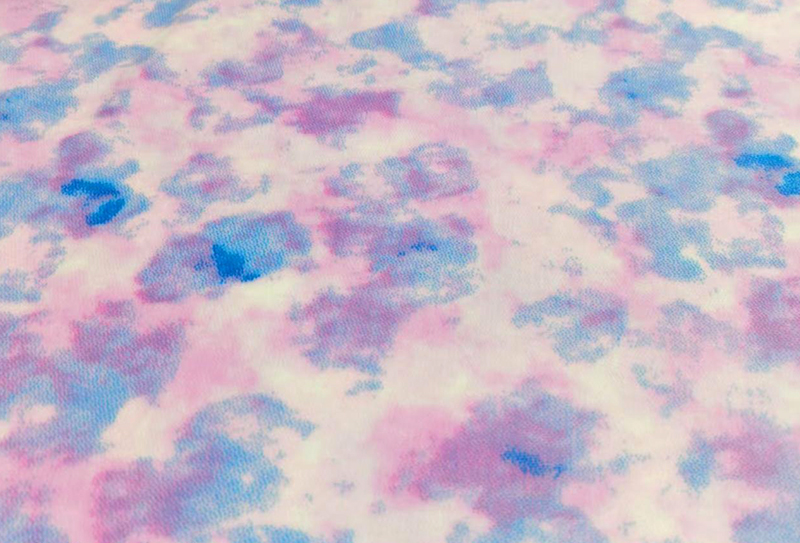 300GSM Spandex-Blend Super Soft Short Plush FabricThis 95% polyester, 5% spandex short plush offers 15-20% two-way stretch and a 1.2mm carbon-softened pile. With a breathable mesh base and high elasticity retention, it suits close-fitting garments, babywear, and protective gear.View Product →
Frequently Asked Questions
Q1: Which fabric has better washing fastness: 3D embossed jacquard short plush or printed plush?
In most cases, 3D embossed jacquard short plush has better washing fastness because the color is carried by yarn inside the structure, and the pattern is mechanical rather than surface-applied. Printed plush can also achieve good fastness when disperse dyes and fixation are properly controlled, but it carries a higher risk of edge fading after repeated laundering.
Q2: Can printed plush be washed without losing color?
Yes, if the fabric is printed with high-quality dyes and the fixation process is correct. Cold water, gentle cycles, and mild detergents extend the printed surface life. Avoid bleach and high-temperature drying to reduce fading and film cracking.
Q3: Does 3D embossed jacquard cost more than printed plush?
Generally yes. Jacquard weaving is slower and more complex, and it requires careful yarn preparation and pattern engineering. Printed plush usually develops faster and costs less at the sampling stage. The total cost depends on order volume, pattern complexity, and finishing requirements.
Q4: Which fabric is better for plush toys?
Both can work. For collectible or gift toys that are washed often, 3D embossed jacquard short plush gives a premium feel and stable appearance. For trendy, mass-market toys with frequent design updates, printed plush offers faster development and lower cost. Define your washing standard first, then choose.
3D embossed jacquard short plush and printed plush serve different product strategies. Jacquard delivers structural depth and wash-and-wear stability; printing delivers color freedom and speed. Evaluate your pattern requirements, washing conditions, and target price point, and always test samples before bulk production.
Hot News
-
-
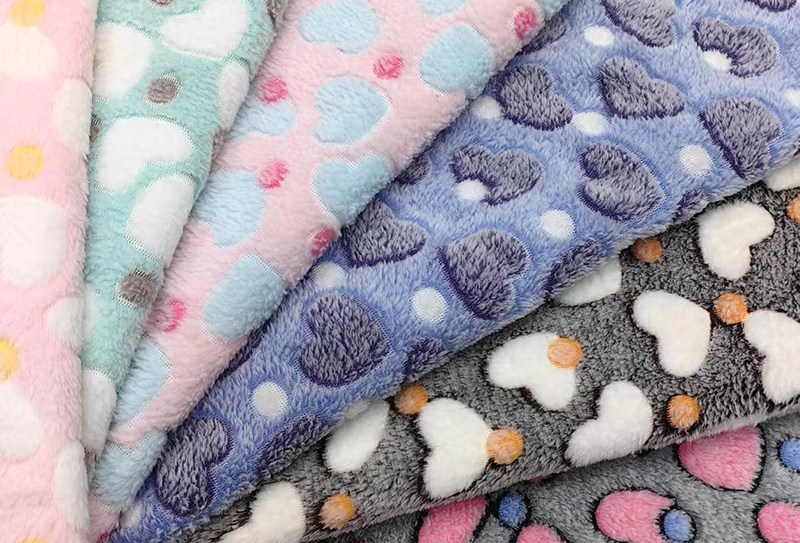
230g/160cm double-sided flannel three-dimensional printed plush fabric adopts innovative double-sided embossing technology to achieve a double-sided three-dimensional printing effect on a lightweight ...
See Details -
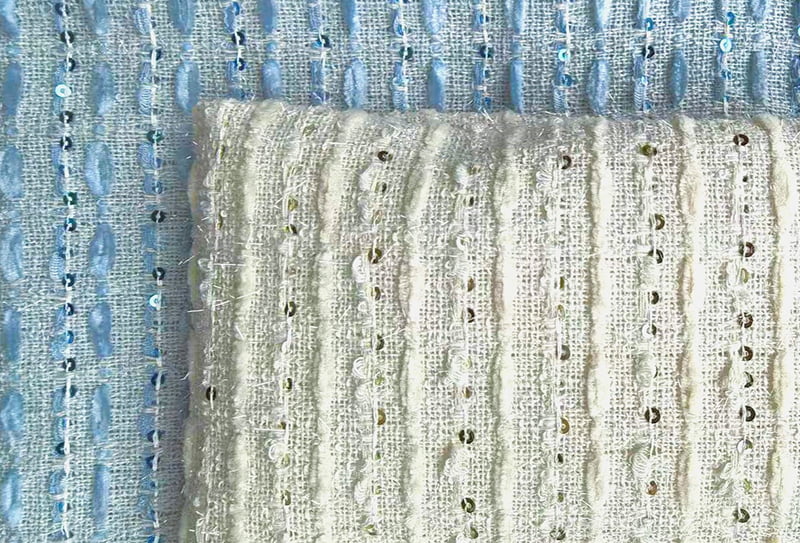
The 425g/148cm wrinkle-resistant and wear-resistant tweed fabric/Chanel-style woven fabric (item number 897331) adopts a composite weaving process of high-count blended yarn and precision sequins. The...
See Details -
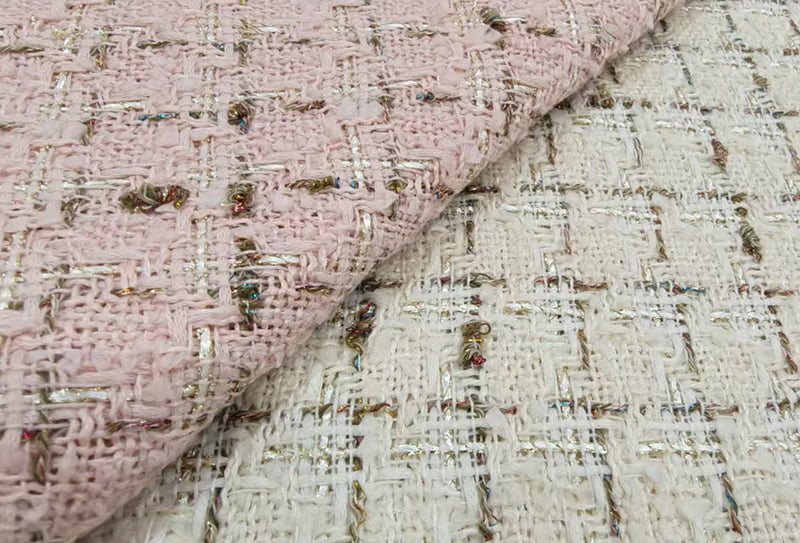
The 500g/148cm tweed fabric/Chanel-inspired fabric (Item No. LS834322) is precision-woven from high-count blended yarns. Its medium-heavy weight of 500g/m imparts excellent stiffness and warmth. Its 1...
See Details -
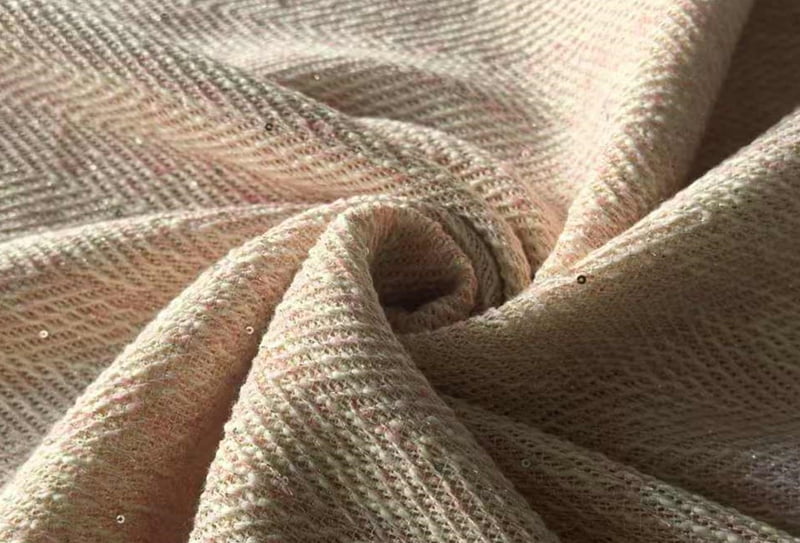
This 370g/148cm polyester tweed fabric (Article No. 980240) utilizes a high-end sequin lamination process, incorporating delicate sequins into a classic Chanel-inspired texture. Its medium weight of 3...
See Details -

The 400gsm*190cm lucky bamboo 3D plush fabric uses an innovative embossing process to create a bamboo texture on the plush base fabric. The lightweight weight of 400g/m keeps the fabric soft and comfo...
See Details
Contact us
 1027, Floor 1, Zone 1, Beilian Market, China Textile City, Keqiao District, Shaoxing City, Zhejiang Province, China
 +86-159 8821 9333

Copyright © Shaoxing Wanyi Textile Co., Ltd. All Rights Reserved
Custom Soft Faux Fur Fabric, Sherpa Fleece Material Manufacturers
