
 English
 中文简体
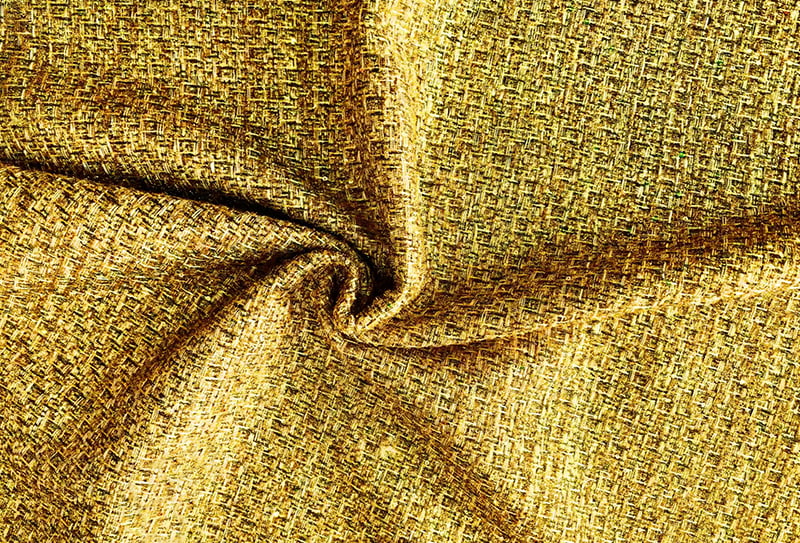
中文简体The 580g/148cm tweed fabric/Chanel-inspired fabric (item 0534) is a luxurious, light-weight fabric incorporating gold thread and sequins. Its thickened 580g/m² weight imparts a premium, crisp feel, wh...
See DetailsEngineering Precision: Mitigating Distortion in All Over Garment Embroidery on Silk Substrates
Content
Mechanical Stabilization and Stress Distribution in High-Density Stitching
* Dynamic Tension Control for Lightweight Silks: Executing all over garment embroidery on 12-16mm silk charmeeuse requires microscopic control over thread tension. High-end manufacturers utilize computerized actuators to adjust active tension dynamically, preventing fabric puckering in all over embroidery caused by uneven thread pull. The tensile strength of embroidery threads, often utilizing trilobal polyester or rayon, must be calibrated to match the elasticity of the base silk to avoid structural shearing during the needle penetration cycle.
* Optimizing Stitch Density for Drape Fluidity: A critical challenge is how to balance stitch density and drape in embroidery. Excessive needle penetrations per square centimeter compromise the silk's natural Ra surface finish and flexibility. By implementing low-impact feather stitch techniques for garment embroidery, engineers reduce the total weight and rigidity of the embroidered surface, ensuring the finished piece maintains a high degree of fluidity in embroidered luxury garments.
* Substrate Stabilization Using Water-Soluble Backings: To maintain dimensional stability of silk during embroidery, a multi-layered stabilizer approach is employed. The use of cold-water-soluble (CWS) films as a topping and heat-away stabilizers as a backing prevents the silk fibers from shifting. This all over garment embroidery technique ensures that even complex geometric patterns remain perfectly aligned without causing the fabric to "creep" under the hoop pressure.
Geometric Registration and Seamless Pattern Alignment
* Precision Registration in Continuous Embroidery: When applying all over garment embroidery across multiple garment panels, the seam pattern matching in garment embroidery becomes a matter of geometric precision. Optical sensors and laser-guided positioning systems are used to identify pattern registration marks for all over embroidery, ensuring that motifs transition seamlessly across side seams and shoulder joins with a tolerance of less than 0.5mm.
* Vibration Damping and Machine Calibration: The impact of machine vibration on embroidery precision is mitigated by utilizing high-mass multi-head frames. This stability is essential for preventing motif distortion in continuous embroidery, especially when using high-speed computerized embroidery machines operating at 800-1000 stitches per minute (SPM).
* Thread Breakage and Connectivity Mitigation: Advanced thread break detection systems in all over embroidery prevent unsightly gaps in the design. Digital "re-start" algorithms allow the machine to backtrack and overlap stitches precisely at the point of failure, maintaining the integrity of all over garment embroidery throughout the entire 360-degree coverage of the garment.
Post-Production Durability and Structural Validation
The technical divergence between standard decorative stitching and engineered all over garment embroidery is summarized in the physical performance metrics below.
| Performance Metric | Standard Decorative Embroidery | Engineered All Over Garment Embroidery |
| Stitch Count (per garment) | 5,000 - 20,000 | 150,000 - 500,000+ |
| Dimensional Shrinkage (ISO 6330) | Variable 3% - 5% | Pre-shrunk / Managed < 1.5% |
| Seam Alignment Tolerance | +/- 2.0mm | +/- 0.5mm (Optical Calibration) |
| Wash Fastness (ISO 105-C06) | Grade 3-4 | Grade 4-5 (Industrial Grade) |
Hygiene Compliance and Physical Testing Standards
* Color Fastness and Industrial Wash Resistance: To ensure the all over garment embroidery does not bleed or fade, threads undergo ISO 105-C06 wash fastness testing. This is particularly vital for all over garment embroidery used in high-frequency wear applications, where preventing thread migration and bleeding is a mandatory quality requirement.
* Eco-Toxicological Safety of Embroidery Consumables: Premium all over garment embroidery must comply with OEKO-TEX Standard 100, ensuring the absence of harmful azo dyes in embroidery threads. This sustainability in luxury garment embroidery procurement is a key technical indicator for all over garment embroidery quality in the global private label market.
Technical FAQ
1. Why is silk more prone to puckering during the embroidery process?
Silk's low GSM and specific weave structure make it highly susceptible to dimensional instability. The all over garment embroidery process introduces thousands of tension points, which can cause fabric puckering if stabilizers and thread tensions are not precisely calibrated.
2. Can all over garment embroidery be applied to finished garments?
It is technically possible but significantly more difficult. Seamless pattern matching in garment embroidery is best achieved during the panel stage before final assembly to ensure pattern registration marks are perfectly aligned at the seams.
3. What is the role of stabilizers in preventing distortion?
Stabilizers provide a temporary tensile strength boost to the silk. Using a heat-away stabilizer for silk embroidery allows the fabric to remain rigid during the 100,000+ stitch cycles and then return to its natural softness once the stabilizer is removed.
4. How does stitch density affect the weight of the garment?
High-density all over garment embroidery can double the weight of a silk substrate. Engineers must balance stitch density and drape by utilizing hollow embroidery or lighter denier threads to maintain the wearer's comfort.
5. Is industrial washing safe for high-density embroidery?
Only if the tensile strength of embroidery threads and the color fastness meet ISO 105-C06 standards. High-end all over garment embroidery is designed to withstand multiple industrial wash cycles without structural degradation.
Technical References
* ISO 105-C06: Textiles - Tests for color fastness to domestic and commercial laundering.
* ASTM D5034: Standard Test Method for Breaking Strength and Elongation of Textile Fabrics (Grab Test).
* ISO 4915: Textiles - Stitch types - Classification and terminology.
Hot News
-
-
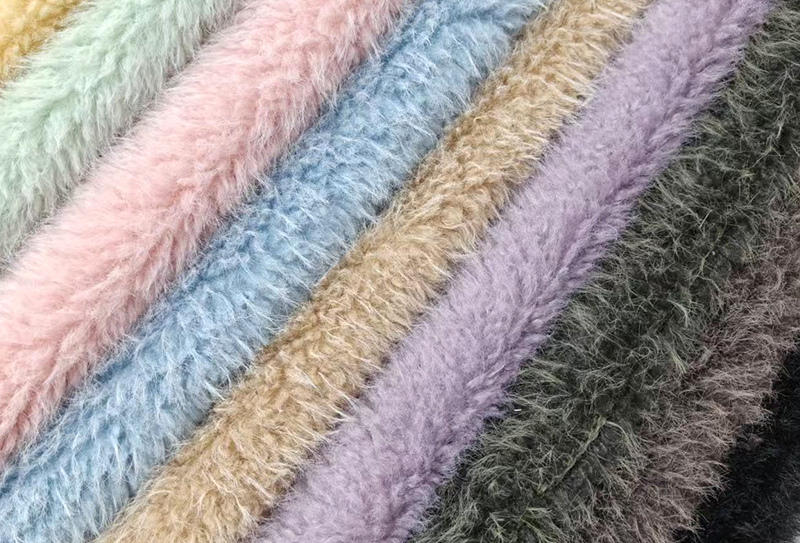
Our 650mm x 170cm Snowflake Mink imitation mink fabric features blended colors, warmth, and lightness. Available in a wide range of colors, this fabric is suitable for winter apparel, bags, toys, and ...
See Details -
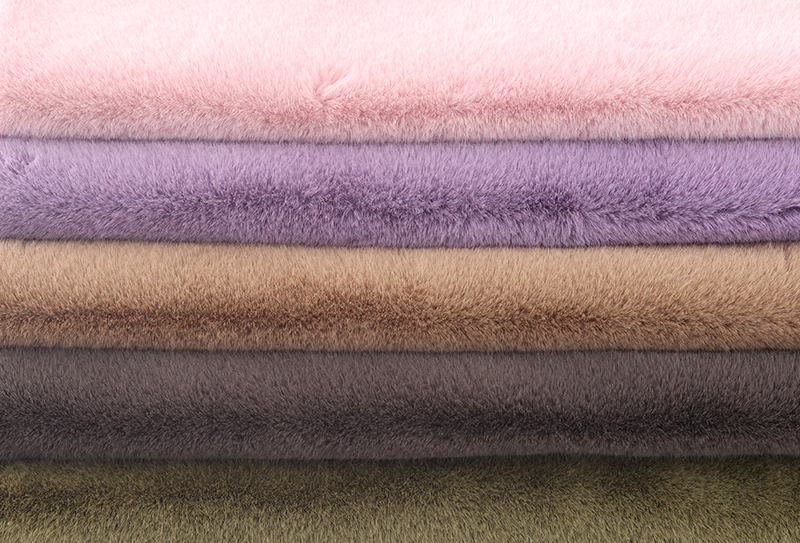
Our imitation mink fabric measures 1200mg x 180cm and is primarily blended with chemical fibers such as polyester and polyester fibers. Some products may also incorporate natural hair, such as raccoon...
See Details -
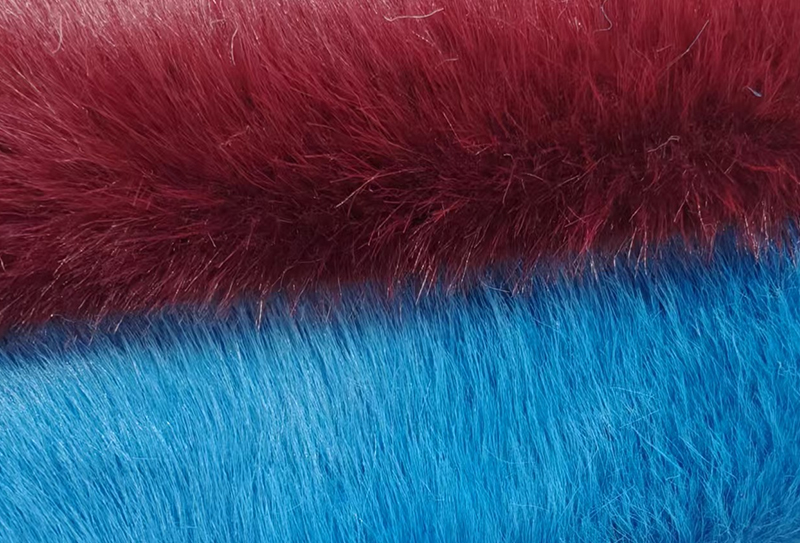
This 800mg*185cm Platinum Mink Faux Fur fabric is made from imitation mink fibers with a soft hand and a natural sheen, resembling the feel of real mink. The 800g/m2 weight ensures the fabric maintain...
See Details -
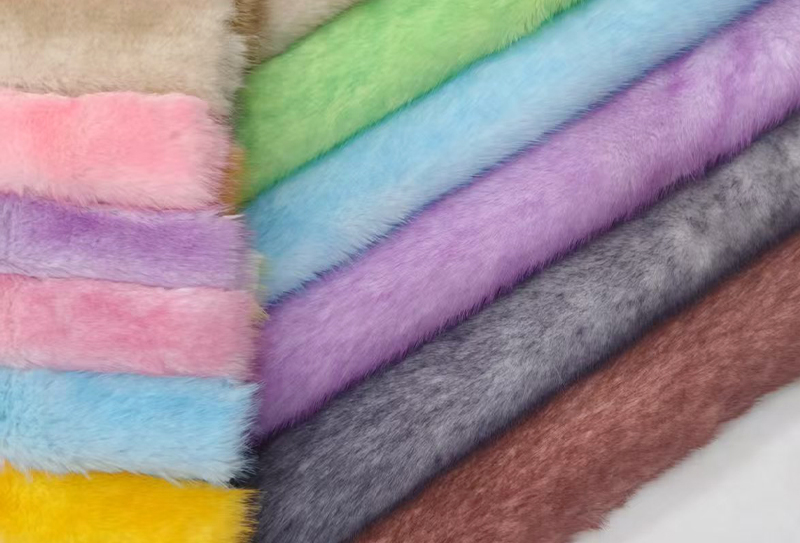
This 700g thickened, 165cm rainbow mink imitation fox fur fabric utilizes a gradient dyeing technique to create a naturally transitioning rainbow effect. The high-density base fabric combined with the...
See Details -
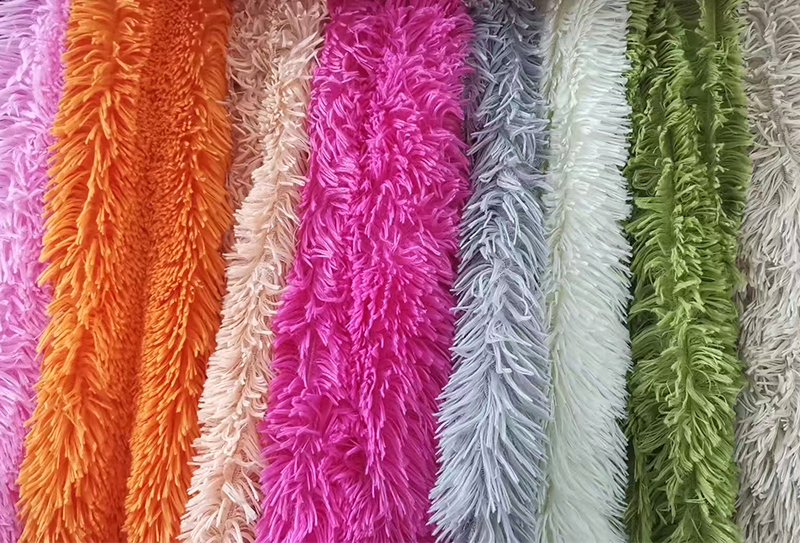
This 290gsm*165cm Haipai velvet fabric is easy to care for and 30mm thick, making it suitable for clothing, toys, pet beds, blankets, and other decorative applications. Its excellent wear resistance a...
See Details
Contact us
 1027, Floor 1, Zone 1, Beilian Market, China Textile City, Keqiao District, Shaoxing City, Zhejiang Province, China
 +86-159 8821 9333

Copyright © Shaoxing Wanyi Textile Co., Ltd. All Rights Reserved
Custom Soft Faux Fur Fabric, Sherpa Fleece Material Manufacturers
