
 English
 中文简体
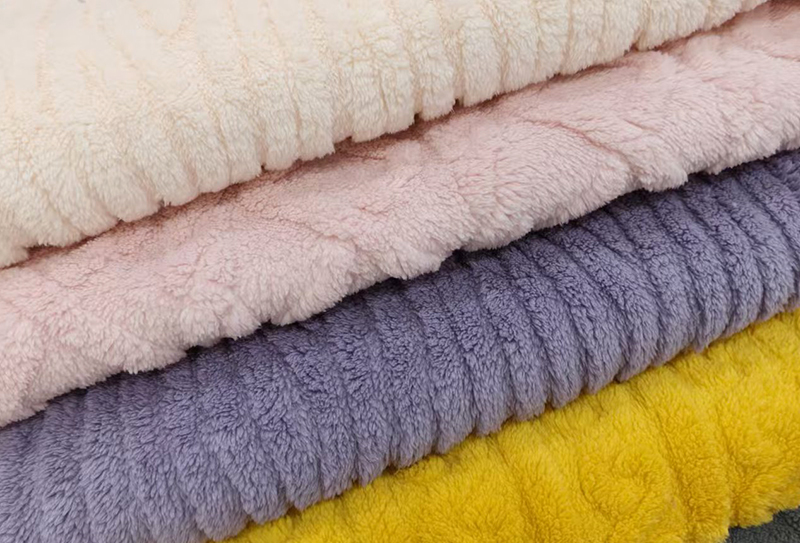
中文简体This 280gsm*185cm double-sided 3D jacquard comfortable cotton velvet fabric utilizes an innovative double-sided weaving process, creating distinct 3D jacquard patterns on both sides. The 280g/m weight...
See DetailsTypes of Faux Fur Fabric & What It's Made Of | Full Guide
Content
Faux fur is a synthetic textile made primarily from acrylic, polyester, and modacrylic fibers that are knitted or woven into a fabric backing to mimic the look and feel of real animal fur. The most common composition is 80% acrylic and 20% polyester. It comes in several distinct types—long pile, short pile, shaggy, minky, velboa, and animal-print—each suited to different projects, from outerwear to home décor. Choosing the right type starts with understanding what each is made of and what it's designed to do.
What Is Faux Fur Made Of?
Faux fur has a two-layer structure: a pile layer (the visible, soft fibers on top) and a backing layer (the woven or knitted base that gives the fabric its strength). The pile fibers are the key to its fur-like appearance, while the backing determines durability and drape.
Primary Pile Fiber Materials
- Acrylic: The most widely used fiber. Lightweight, affordable, and available in a huge range of colors. Acrylic polymers are produced through a chemical reaction of acrylonitrile monomers under high pressure and heat. The result is a springy, fluffy fiber that holds dye well.
- Modacrylic: A premium option made from copolymers of acrylonitrile and vinyl chloride. Modacrylic fibers are ultra-soft, heat-resistant, and exceptionally good at absorbing animal-like color tones. They are the go-to fiber for high-end faux fur products.
- Polyester: Often blended with acrylic to improve durability, resistance to pilling, and overall fabric stability. Velboa and many short-pile faux furs are made from 100% polyester.
- Rayon: A semi-synthetic fiber derived from cellulose (wood pulp) and cotton linters, sometimes added to supplement acrylic and modacrylic to improve texture and softness.
Backing Materials
Unlike real fur—which is attached to animal skin—faux fur fibers are anchored to a fabric backing. Common backing materials include cotton, polyester, wool, and polypropylene. The backing is typically produced using warp knitting or tufting techniques, which lock the pile fibers firmly in place and resist shedding over time.
Finishing Additives
Once the base fabric is constructed, manufacturers apply silicones and resins to improve luster, smoothness, and fiber cohesion. The pile is then brushed, trimmed to a consistent length, and dyed—sometimes multiple times to achieve realistic animal patterns or vivid fashion colors.
Main Types of Faux Fur Fabric
The primary way faux fur fabrics differ from one another is pile length and fiber density. These two factors determine the texture, warmth, weight, and best application for each type.
Long Pile Faux Fur
Long pile faux fur features extended fiber lengths, typically ranging from 1 inch to over 2.5 inches. This creates a bold, voluminous, and luxurious appearance with noticeable movement and texture. It is the closest visual match to fox, yak, or Mongolian lamb fur. Common uses include statement coats, fashion trims, throws, and decorative pillows. Because of its density, long pile faux fur provides excellent insulation—making it a practical choice for outerwear as well as a stylish one.
Short Pile Faux Fur
Short pile faux fur has a pile height under 1 inch, producing a neat, clean, and polished surface. It is easier to sew, sheds less, and manages better in everyday garment construction. Short pile options work well for linings, trims, vests, hats, gloves, and children's apparel. This type is also recommended for sewing beginners because seam alignment is more forgiving and the fabric feeds more smoothly through a sewing machine.
Shaggy Faux Fur
Shaggy faux fur is defined by its uneven, irregular fiber lengths that create a bold, dramatic, and almost three-dimensional texture. Unlike smooth long pile fur, the fibers in shaggy faux fur point in multiple directions, giving it an expressive, dynamic look. It is widely used in fashion costumes, statement furniture pieces, rugs, and creative home décor projects. Interior designers favor shaggy faux fur for accent chairs and headboards, where its tactile depth becomes a focal point.
Minky Faux Fur
Minky is one of the softest faux fur varieties available. It features a very short, velvety pile that is exceptionally gentle against skin, making it the preferred material for baby blankets, plush toys, paw pads, linings, and comfort accessories. Minky is lightweight and fluid, with a clear, smooth surface that drapes gently. It is beginner-friendly and easy to sew compared to longer pile alternatives.
Velboa (Short Pile Animal Print)
Velboa is a 100% polyester short pile faux fur, typically with a pile height of around 0.2 inches (5mm). It is firm, structured, and dimensionally stable, making it ideal for animal print designs where pattern clarity is important—the short pile ensures the print reads sharply. Common applications include costumes, stuffed animal toys, pet beds, baby clothing, and pillow covers. Velboa also features a 2-way stretch, which adds versatility in garment construction.
Faux Mink
Faux mink is a premium short-to-medium pile fabric engineered to replicate the silky, dense texture of real mink fur. It features a subtle natural sheen, closely packed fibers, and a smooth, refined surface. Advanced fiber technology allows manufacturers to produce faux mink that is nearly indistinguishable from real mink in appearance and feel. It is used in high-quality coats, jacket linings, luxury scarves, and upscale accessories.
Mongolian / Curly Pile Faux Fur
Mongolian faux fur is characterized by its long, curly, or wavy fibers that imitate the texture of Mongolian lamb or mohair. The curls give it a distinctive, cloud-like volume that differs from straight long pile fur. It is particularly popular in fashion coats, handbag accents, home cushions, and bohemian-style décor. Pile lengths for Mongolian types often range from 1.5 to 2.5 inches, making it one of the most dramatic and eye-catching faux fur options.
Types of Faux Fur Compared at a Glance
The table below summarizes the key differences between the main faux fur types to help you select the right one for your project:
| Type | Pile Length | Main Fiber | Best For |
|---|---|---|---|
| Long Pile | 1"–2.5"+ | Acrylic / Polyester | Coats, throws, statement décor |
| Short Pile | Under 1" | Acrylic / Polyester | Linings, trims, everyday garments |
| Shaggy | 1.5"–2"+ (uneven) | Acrylic / Polyester | Costumes, rugs, furniture accents |
| Minky | Very short (velvety) | Polyester | Baby items, plush toys, blankets |
| Velboa | ~0.2" (5mm) | 100% Polyester | Animal prints, costumes, pet beds |
| Faux Mink | Short–medium, dense | Modacrylic / Polyester | Luxury coats, scarves, accessories |
| Mongolian / Curly | 1.5"–2.5" (curly) | Acrylic / Polyester | Fashion coats, cushions, bags |
Animal-Inspired Faux Fur Types and What Makes Them Different
Beyond pile length, faux fur is also categorized by the animal it is designed to imitate. These types differ in fiber density, pile direction, and surface finish:
- Faux Fox Fur: Dense, flowing, and usually long-piled with natural color gradients. Often used for realistic tails, coat collars, and mane accents.
- Faux Rabbit Fur: Short to medium pile with a soft, plush texture. Used for linings, accessories, and trim on jackets.
- Faux Beaver Fur: Dense and thick with medium pile length. Known for warmth and a slightly water-resistant quality, making it popular for winter garments.
- Faux Leopard / Cheetah: Typically made on a velboa or short-pile polyester base with a printed animal pattern. The short pile preserves pattern clarity.
- Faux Alpaca / Yak: Long, straight, silky fibers that resemble the coarse-but-soft texture of alpaca or yak. Used for luxury throws and high-end fashion.
How Faux Fur Is Manufactured
Understanding the manufacturing process helps explain why different types of faux fur feel and behave so differently:
- Fiber production: Acrylic, modacrylic, or polyester polymers are extruded into fine fibers of varying thicknesses to simulate different guard hairs and underfur layers.
- Warp knitting or tufting: The fibers are knitted or tufted into the backing fabric. Warp knitting is the most common method for fashion faux furs because it increases durability without sacrificing softness.
- Brushing and finishing: The pile is brushed with metal rollers to separate fibers and create a fluffy, even texture. Some furs are heat-treated to add curl or wave patterns (as with Mongolian types).
- Electrification: A polishing technique where the fabric is electrified to improve luster and sheen—particularly important for faux mink and silky-finish products.
- Dyeing: The fabric is dyed using pigments that bond with synthetic fibers. For animal-print faux furs, multi-stage printing processes are used to replicate natural fur color patterns with high accuracy.
Faux Fur vs. Real Fur: Key Practical Differences
From a material and performance standpoint, faux fur and real fur differ in several meaningful ways:
- Backing: Real fur is attached to animal skin or leather. Faux fur uses a knitted or woven fabric backing—the easiest way to identify synthetic fur is to part the fibers and look for a fabric base rather than skin.
- Fiber tips: Real fur hairs taper naturally to a point. Synthetic faux fur fibers are machine-cut, leaving blunt tips—visible under close inspection.
- Care: Most faux fur can be machine washed on cold with a gentle cycle and air-dried. Real fur requires professional cleaning.
- Environmental impact: According to CE Delft research, producing one mink fur coat generates seven times more CO₂ than one faux fur coat, and five faux fur coats have a lower climate impact than a single real mink coat.
- Cost and availability: Faux fur is significantly more affordable and available in far more colors and textures than real fur, which is constrained by seasonal supply and animal welfare regulations.
How to Choose the Right Type of Faux Fur for Your Project
The best faux fur type depends on three factors: the project's purpose, the desired texture, and sewing or crafting skill level.
- For fashion outerwear (coats, jackets, vests): Choose long pile, faux mink, or Mongolian curl for a luxurious effect; use short pile for cleaner, more structured silhouettes.
- For home décor (throws, cushions, rugs): Dense and shaggy types work well for furniture; minky is ideal for lightweight blankets and comfort-focused pieces.
- For costumes and creative projects: Shaggy and long pile faux furs offer visual impact and can often be trimmed or sculpted to create layered shapes.
- For baby items and plush toys: Minky or soft short-pile polyester are the safest choices—skin-friendly, easy to wash, and low in shedding.
- For beginners: Short pile faux fur (under 1 inch) is the most manageable—it sheds less, feeds through a sewing machine reliably, and requires less precision in seam alignment.
One practical tip: always cut faux fur from the backing side using a blade rather than scissors. This preserves the pile fibers on the surface and significantly reduces shedding during construction.
Hot News
-
-
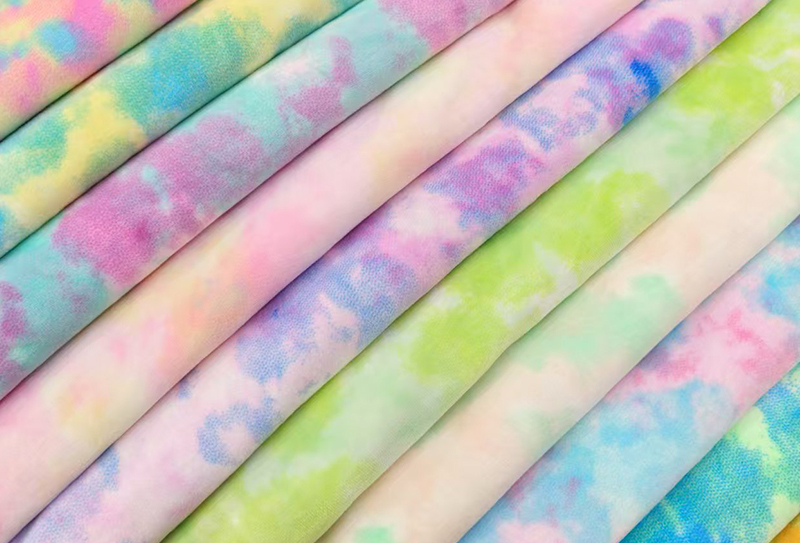
510g/170cm spandex ultra-soft short plush fabric adopts 95% polyester + 5% spandex blending process. The 300g/m weight and elastic fiber give the fabric excellent close-fitting comfort. The 170cm ultr...
See Details -
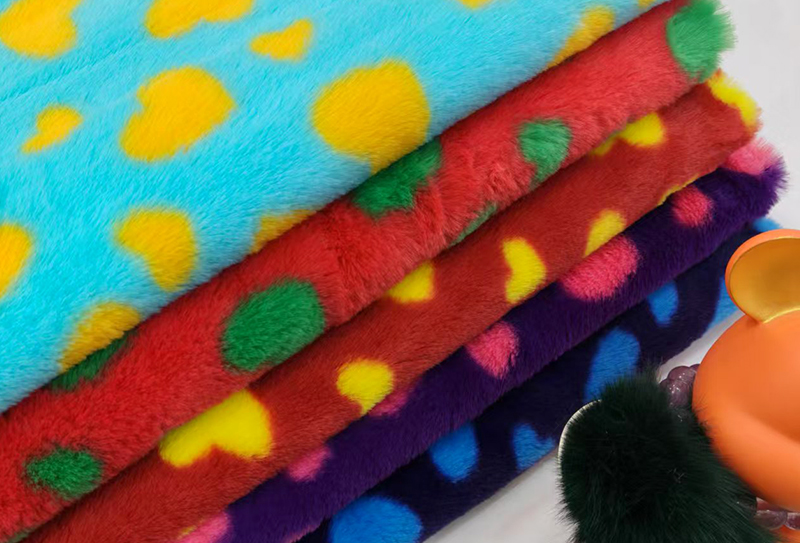
This 500mg x 160cm soft plush fabric with a heart print utilizes a printing process to create a clear, three-dimensional heart pattern on a 280g high-quality plush base fabric. The 500g/m lofty weight...
See Details -
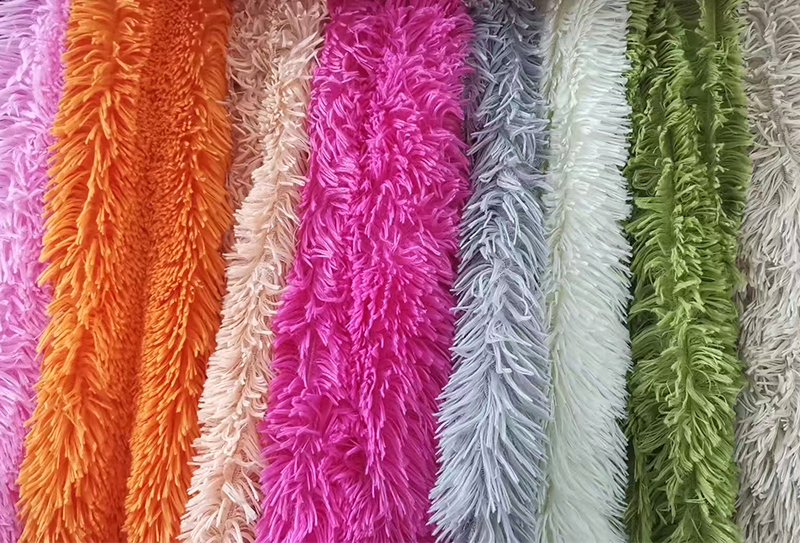
This 290gsm*165cm Haipai velvet fabric is easy to care for and 30mm thick, making it suitable for clothing, toys, pet beds, blankets, and other decorative applications. Its excellent wear resistance a...
See Details -
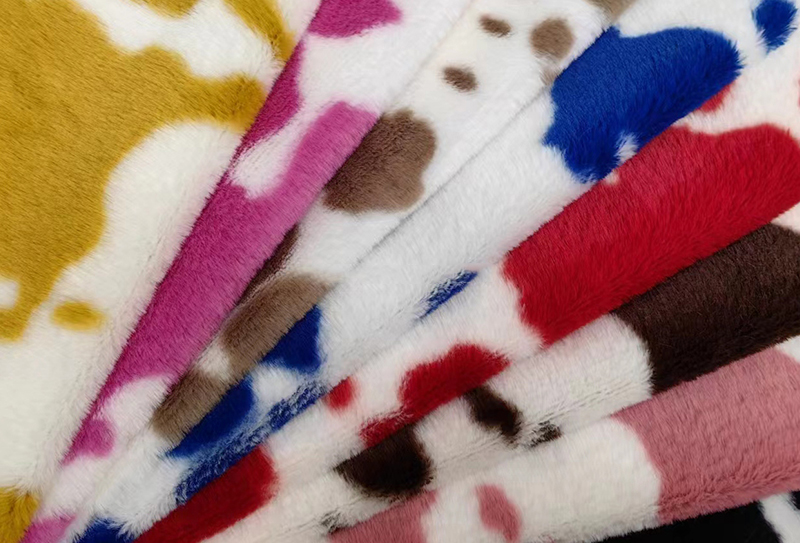
500g/160cm cow rabbit fur printed plush fabric uses printing technology to accurately restore the natural form of the black and white spots of the cow on the high-quality imitation rabbit fur base fab...
See Details -
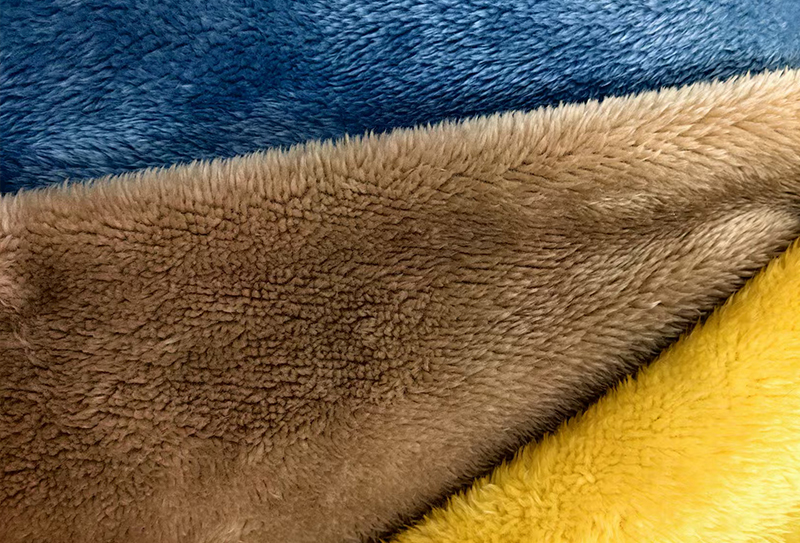
This 270gsm*185cm double-sided Arctic Velvet small-particle plush fabric utilizes a double-sided pile-raising process, creating a uniform, fine-grained velvet feel on both sides. Its lightweight 270g/...
See Details
Contact us
 1027, Floor 1, Zone 1, Beilian Market, China Textile City, Keqiao District, Shaoxing City, Zhejiang Province, China
 +86-159 8821 9333

Copyright © Shaoxing Wanyi Textile Co., Ltd. All Rights Reserved
Custom Soft Faux Fur Fabric, Sherpa Fleece Material Manufacturers
