
 English
 中文简体
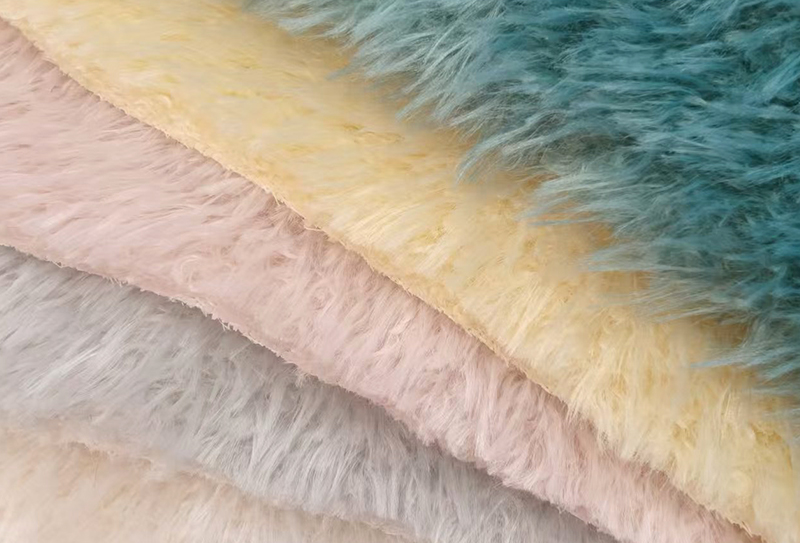
中文简体This 290gsm*165cm Haipai velvet fabric is easy to care for and 30mm thick, making it suitable for clothing, toys, pet beds, blankets, and other decorative applications. Its excellent wear resistance a...
See DetailsWhat is Particle Fabric and How to Source It Reliably?
Content
Understanding Particle Fabric: More Than Just a Velvet
Particle fabric has emerged as a distinctive and sought-after material within the textile industry, particularly in markets demanding both aesthetic appeal and functional performance. At its core, particle fabric is a type of plush or velvet characterized by its unique surface texture, which resembles finely scattered particles or creates a subtle, multi-dimensional visual effect. This texture is achieved through specialized weaving, knitting, or finishing techniques, such as precise brushing, embossing, or the application of specific coatings. The result is a fabric that plays with light and shadow, offering a sophisticated tactile experience beyond standard velvets.
The applications of particle fabric are diverse, spanning several key industries. Its popularity stems from its ability to convey a sense of luxury, warmth, and modernity simultaneously.
- Home Furnishings & Upholstery: Widely used for sofas, accent chairs, drapes, and decorative pillows, adding depth and interest to interior spaces.
- Fashion & Apparel: Employed in jackets, hats, trims, and high-end garments where texture is a key design element.
- Automotive Interiors: Increasingly specified for car seat covers and interior panels for its premium look and feel.
- Toys & Plush Items: Ideal for creating visually interesting and soft products.
Particle Fabric vs. Traditional Velvet: Key Differences
While both fall under the broader category of pile fabrics, particle fabric and traditional velvet serve different design purposes. Understanding these differences is crucial for specifiers and purchasers to make the correct material choice for their project.
| Feature | Particle Fabric | Traditional Velvet |
| Surface Texture | Irregular, granular, or patterned pile creating a multi-tonal, "particle" effect. | Uniform, smooth, and dense pile with a consistent directional sheen. |
| Visual Impact | Modern, dynamic, and visually complex. Hides seams and minor imperfections well. | Classic, luxurious, and elegant with a rich, deep color appearance. |
| Tactile Feel | Often softer and more varied, with a brushed or textured sensation. | Consistently smooth and soft, with a distinctive "stroke" direction. |
| Primary Use Case | Contemporary furniture, fashion-forward items, statement pieces. | Formal wear, classic upholstery, theatrical drapes, traditional decor. |
| Maintenance | Textured surface can be more forgiving with dust and light stains. | Requires careful cleaning to avoid crushing the pile or creating marks. |
Your Sourcing Guide: Finding the Right Particle Fabric Supplier
Identifying a reliable particle fabric velvet supplier is the most critical step in ensuring project success. The supplier acts as the bridge between innovative design and tangible product quality. A reputable partner does more than just sell fabric; they provide material certainty, technical support, and supply chain stability. In a global market, especially when sourcing from major hubs like China's Keqiao district, due diligence on suppliers is non-negotiable for risk mitigation and value optimization.
Key Criteria for Evaluating a Particle Fabric Velvet Supplier
When vetting potential suppliers, go beyond basic price comparisons. A holistic evaluation framework should encompass several pillars of reliability and capability.
- Quality Assurance and Consistency: Inquire about their in-house quality control (QC) protocols. Do they conduct tests for colorfastness, pilling, shrinkage, and tensile strength? Can they provide test reports? Consistency across batches is paramount for large projects to avoid color or texture mismatches.
- Production Capacity and Lead Time: Clearly understand their minimum order quantities (MOQs) and standard production timelines. A supplier with integrated control over production, like Zhejiang Shaoxing Wanyi Textile Technology Co., Ltd., can offer more realistic schedules and flexibility for both small custom runs and large wholesale particle plush fabric for upholstery orders.
The Advantages of Opting for Custom Particle Faux Fur Fabric
While stock fabrics offer convenience, custom particle faux fur fabric unlocks a new dimension of product differentiation. Customization allows brands to create a unique material signature that competitors cannot easily replicate.
Beyond aesthetics, custom development addresses specific functional needs. For instance, a furniture manufacturer might require enhanced abrasion resistance for commercial use, or a fashion brand might need a specific weight and drape. A technically proficient supplier can adjust fiber blends (e.g., polyester, acrylic, modacrylic), pile height, backing strength, and finishing treatments to meet these exact requirements. This collaborative process transforms the supplier from a vendor into a strategic development partner, ultimately enhancing the end product's market competitiveness and perceived value.
Sustainability: A Growing Decision Factor in Textile Sourcing
The global demand for eco-friendly sustainable particle fabric is not a passing trend but a fundamental shift in procurement philosophy. Buyers, especially in markets like the US and Europe, are increasingly mandated by both consumer pressure and corporate policy to source materials with a reduced environmental footprint. This encompasses the entire lifecycle: from raw material origin (like recycled PET fibers or sustainably sourced viscose) to manufacturing processes (low-water dyeing, energy efficiency) and end-of-life recyclability.
Forward-thinking manufacturers are responding with tangible initiatives. This includes obtaining recognized certifications such as Global Recycled Standard (GRS), Oeko-Tex Standard 100 (ensuring safety from harmful substances), and implementing traceability systems. For a company like Wanyi Textile, emphasizing social responsibility and sustainable development in its operational model is a direct alignment with this market evolution. When evaluating suppliers, their commitment to sustainability, backed by verifiable certifications and processes, is now a key competitive advantage and a marker of long-term viability.
Practical First Step: Requesting and Evaluating Fabric Samples
Never finalize a supplier or place a bulk order without first physically assessing fabric samples. This step is the most effective way to prevent costly mistakes. A sample reveals the true color, hand-feel, weight, drape, and texture that digital images cannot accurately convey.
How to Efficiently Get Particle Fabric Samples with Free Shipping
Many reputable suppliers offer particle fabric samples free shipping for serious buyers to facilitate the decision-making process. To make this step efficient, provide clear information when requesting samples. Specify the exact color codes, base material preferences (e.g., 100% polyester), and intended application (e.g., upholstery for office chairs). This allows the supplier to send the most relevant materials. Upon receipt, conduct practical tests: rub the fabric to check for pilling, stretch it to assess recovery, spill a few drops of water to see stain resistance, and view it under different lighting conditions. Comparing multiple samples side-by-side against your project specifications is the best practice for objective evaluation.
FAQ
What are the latest trends in particle fabric designs for 2024?
Current trends in particle fabric are heavily influenced by biophilic design and a desire for sensory-rich interiors. We are seeing a rise in organic, irregular particle patterns that mimic natural elements like stone, sand, or moss. Color-wise, earthy neutrals and deep, jewel-toned particles are popular. Furthermore, there's a significant trend towards hybrid fabrics—combining particle fabric velvet textures with other techniques like foil printing or subtle embroidery for ultra-luxurious effects. The demand for these innovative, textured designs is particularly high in the custom faux fur and high-end upholstery segments.
How durable is particle fabric for everyday use on sofas?
The durability of a particle plush fabric for upholstery depends on its construction, not just its texture. Key factors include:
- Fiber Type: High-density polyester or nylon offers excellent abrasion resistance.
- Pile Density & Height: A shorter, denser pile is generally more durable than a long, loose one.
- Backing: A strong, woven backing provides stability and prevents stretching.
For residential use, look for fabrics rated for heavy-duty use (e.g., 30,000+ double rubs in the Martindale test). The textured surface of particle fabric often helps conceal minor wear and dirt better than flat velvets, making it a practical choice for everyday furniture.
Can particle fabric be used for outdoor furniture applications?
Standard particle fabric is not suitable for outdoors unless specifically engineered for it. For outdoor use, you must source solution-dyed acrylic or polyester-based fabrics labeled as "outdoor" or "weather-resistant." These are treated to withstand UV rays, mildew, and moisture. Some manufacturers now offer textured or pebbled weaves that mimic the look of indoor particle fabrics but with the required performance additives. Always verify the technical specifications and warranties with your supplier for any outdoor application.
What is the typical lead time for ordering custom particle faux fur?
Lead times for custom particle faux fur fabric vary significantly based on complexity. For a standard custom color of an existing pattern, expect 4-8 weeks from order confirmation to shipment. A completely new pattern development, involving sample loom runs and multiple approvals, can extend to 12-16 weeks. Factors influencing this include yarn sourcing, the complexity of the particle pattern creation, and the factory's order queue. Companies with integrated production facilities, such as those located in comprehensive textile centers, can often provide more streamlined and reliable timelines. Always clarify and include lead time agreements in your purchase contract.
Hot News
-
-
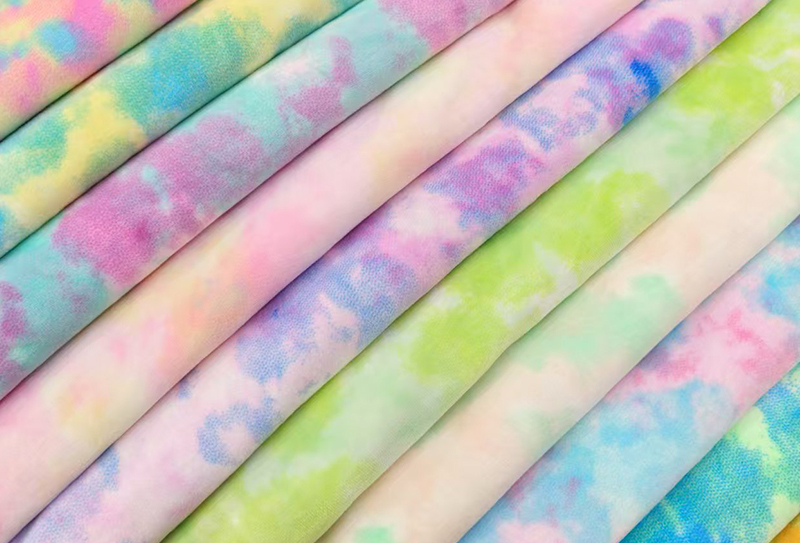
510g/170cm spandex ultra-soft short plush fabric adopts 95% polyester + 5% spandex blending process. The 300g/m weight and elastic fiber give the fabric excellent close-fitting comfort. The 170cm ultr...
See Details -
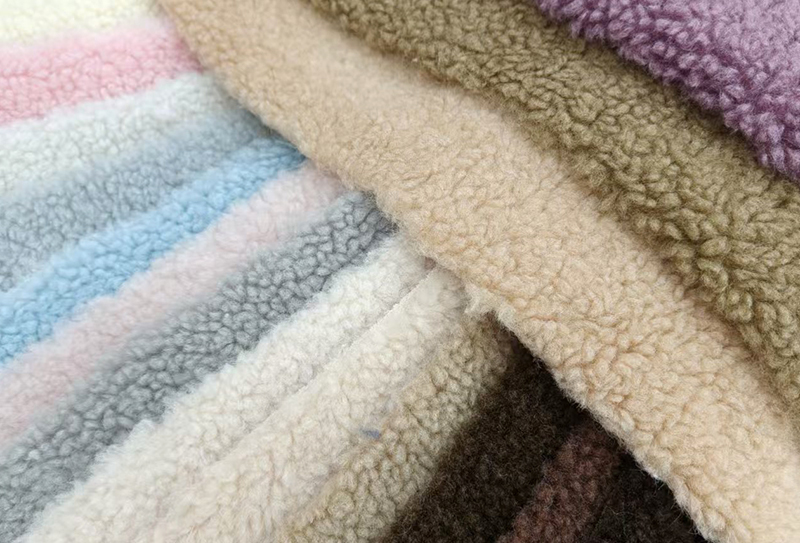
This 700mg*160cm Fair Isle cashmere curly grain fabric utilizes a modified Scottish Fair Isle weaving technique, achieving a three-dimensional curly grain texture through a special raising technique. ...
See Details -
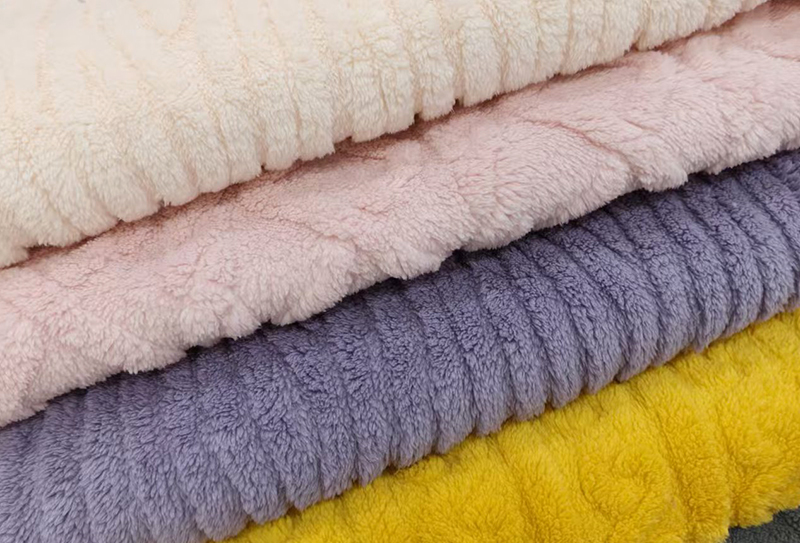
This 280gsm*185cm double-sided 3D jacquard comfortable cotton velvet fabric utilizes an innovative double-sided weaving process, creating distinct 3D jacquard patterns on both sides. The 280g/m weight...
See Details -
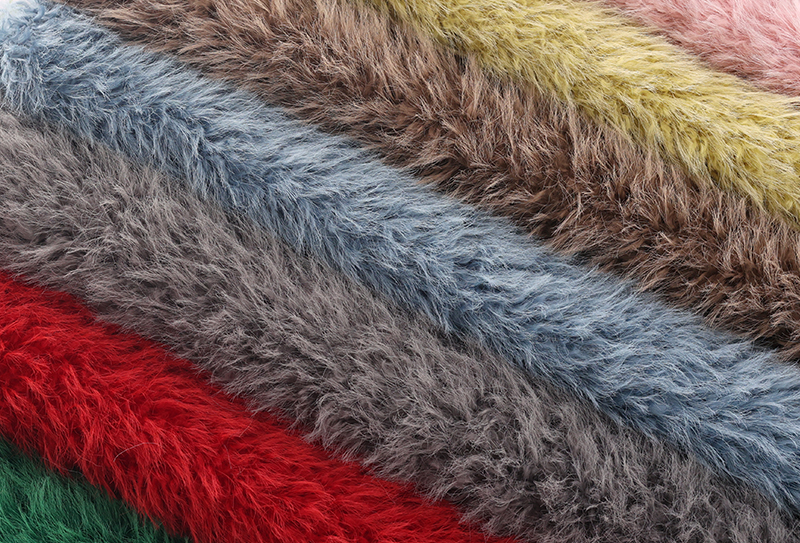
This 700g x 160cm Guifei Toka imitation fox fur fabric utilizes biomimetic fiber technology to mimic the fluffiness and smoothness of real fox fur. The medium weight of 700g/cm creates a fluffy feel w...
See Details -
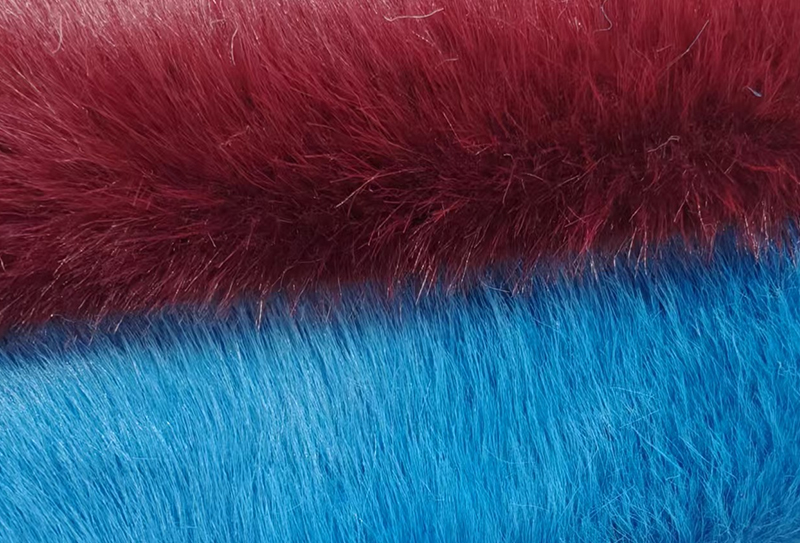
This 800mg*185cm Platinum Mink Faux Fur fabric is made from imitation mink fibers with a soft hand and a natural sheen, resembling the feel of real mink. The 800g/m2 weight ensures the fabric maintain...
See Details
Contact us
 1027, Floor 1, Zone 1, Beilian Market, China Textile City, Keqiao District, Shaoxing City, Zhejiang Province, China
 +86-159 8821 9333

Copyright © Shaoxing Wanyi Textile Co., Ltd. All Rights Reserved
Custom Soft Faux Fur Fabric, Sherpa Fleece Material Manufacturers
