
 English
 中文简体
中文简体This 500mg*160cm Altai curly grain fabric utilizes a special post-fleeting process to create a three-dimensional Altai-style curly grain texture. The 500g/m2 weight ensures the fabric remains soft and...
See DetailsWhat Is Curly Particles Plush Fabric Used For? A Complete Applications Guide
Content
- 1 Introduction
- 2 Primary Applications of Curly Particles Plush Fabric
- 3 Curly Particles Plush vs. Other Plush Fabrics: A Functional Comparison
- 4 How to Work with Curly Particles Plush Fabric: A Practical Guide
- 5 Care and Maintenance: Preserving the Curly Structure
- 6 Structural Diagram: Curly Particle Pile Configuration
- 7 Frequently Asked Questions
- 7.0.1 Q1: What is curly particles plush fabric best used for?
- 7.0.2 Q2: How does curly particles plush fabric compare to Sherpa?
- 7.0.3 Q3: Why does my curly plush fabric shed, and how can I reduce it?
- 7.0.4 Q4: Can curly particles plush fabric be used for baby products?
- 7.0.5 Q5: How do I restore flattened curls after washing?
- 7.0.6 Q6: Is this fabric suitable for outdoor use?
Introduction
Curly particles plush fabric is a distinctive textile that combines the softness of traditional plush with a unique curled, textured surface. This material, primarily constructed from 100% polyester fibers, features a warp pile velvet knit construction that gives it both durability and a luxurious hand feel. The curly structure is not merely aesthetic; it is engineered for specific performance characteristics, including warmth, resilience, and visual depth. For designers, manufacturers, and hobbyists, understanding the full range of applications for this fabric is key to leveraging its unique properties. This guide explores the primary uses of curly particles plush fabric, from soft toys and home decor to fashion and upholstery, providing technical insights and practical advice for each application.
Primary Applications of Curly Particles Plush Fabric
The physical characteristics of curly particles plush fabric—its pile height, weight, and fiber composition—dictate its suitability for various uses. With a typical pile height ranging from 3mm to 15mm and a weight between 200 and 650 g/m², it offers a balance of softness and structural integrity. This section details the primary sectors where this material is most commonly utilized.
Soft Toys and Plush Animals
The most recognized application for curly particles plush fabric is in the creation of soft toys. The curly pile mimics animal fur or wool, adding a layer of tactile realism that is highly desirable in toys. Its durability ensures that the toys can withstand regular handling and play, while the 100% polyester composition makes it a safe choice for many users when properly manufactured. The fabric's ability to hold its shape after compression is a key advantage for stuffed toys, which must maintain their form over time. Additionally, the material's weight and drape allow for a range of toy sizes, from small palm-sized figures to larger, more huggable companions. Manufacturers often choose this fabric for premium toy lines to differentiate through texture and perceived quality.
Apparel and Fashion Accessories
In the fashion industry, curly particles plush fabric is used to add texture and warmth to garments and accessories. Its wool-like appearance makes it a popular synthetic alternative for outerwear elements. Common apparel applications include:
- Jacket and Coat Collars: The fabric provides a soft, insulating, and visually appealing trim.
- Bomber Jackets and Vests: Used as a primary material or as lining, it adds a cozy, modern aesthetic.
- Winter Accessories: Scarves, hats, and gloves benefit from the fabric's warmth and softness against the skin.
- Costumes: The curly texture is ideal for character costumes, cosplay, and theatrical productions, offering a durable and visually striking material.
When used in apparel, the fabric's breathable micro-gap structure helps regulate temperature, making it comfortable for extended wear. Its lightweight nature also ensures that garments do not feel overly heavy, which is a common concern with thicker plush materials.
Home Decor and Interior Textiles
The home decor sector has embraced curly particles plush fabric for its ability to add a touch of luxury and comfort to living spaces. Its versatility is evident in a variety of products, from functional items to decorative accents. The fabric's tactile appeal makes it a favorite for items that are meant to be touched and enjoyed daily.
- Throw Blankets and Pillows: The fabric's softness and visual texture make it ideal for cozy throws and decorative cushions. The curly pile creates a unique aesthetic that stands out from standard flat plush fabrics.
- Rugs and Mats: Smaller accent rugs and bath mats benefit from the fabric's absorbency and soft foot feel. The curly structure also adds a non-slip quality when used on smooth surfaces.
- Upholstery: While not suitable for high-traffic commercial seating, curly particles plush fabric is increasingly used in residential upholstery for accent chairs, headboards, and ottomans. Its resilience and stain resistance (due to the polyester content) make it a practical choice for domestic settings.
- Curtains and Drapes: The fabric's weight and drape allow it to be used in window treatments, where it adds a soft, insulating layer and a rich texture to the room.
In home decor, the fabric's colorfastness and resistance to fading are particularly valued, as these items are often exposed to natural light over extended periods.
Pet Products and Accessories
Given its durability and softness, curly particles plush fabric is a popular choice in the pet industry. The material's structure is resilient enough to withstand frequent washing and the wear and tear associated with pet use. Common products include pet beds, blankets, and toy covers. The fabric's texture provides a comforting surface for animals, while its easy-care properties are a significant advantage for owners. Additionally, the curly pile can help trap pet hair, making it easier to keep the surrounding area clean. Some manufacturers also use this fabric in pet clothing, offering warmth and style for small dogs and other companion animals.
Industrial and Technical Applications
Beyond consumer goods, curly particles plush fabric finds uses in industrial and technical contexts where its physical properties offer specific advantages. For instance, the fabric's pile structure is effective as a dusting and polishing material, as the curls can trap particles without scratching surfaces. It is also used in acoustic panels and soundproofing materials because the irregular surface helps absorb sound waves. In the automotive sector, the fabric is sometimes used in interior trim and headliners to provide a soft, non-reflective surface with a touch of luxury. These applications leverage the fabric's mechanical properties rather than its aesthetic appeal, demonstrating its versatility beyond traditional textile uses.
Curly Particles Plush vs. Other Plush Fabrics: A Functional Comparison
To understand the specific advantages of curly particles plush fabric, it is helpful to compare it with other common plush textiles. The table below outlines key differences in performance and application.
| Characteristic | Curly Particles Plush | Standard Flat Plush | Sherpa Fabric | Faux Fur |
|---|---|---|---|---|
| Texture & Appearance | Curled, springy surface with visible fiber particles | Smooth, uniform pile with no curl | Fluffy, wool-like crimped loops | Straight, long fibers mimicking animal fur |
| Pile Height (Typical) | 3 – 15 mm | 5 – 25 mm | 10 – 30 mm | 20 – 60 mm |
| Weight (g/m²) | 200 – 650 | 150 – 500 | 300 – 700 | 250 – 800 |
| Resilience (Shape Retention) | High (curls spring back) | Moderate (compresses over time) | Low (can mat easily) | Moderate (brushing required) |
| Warmth | Moderate to High (air pockets in curls) | Moderate | Very High | High |
| Stain Resistance | Good (polyester) | Good (polyester) | Moderate (prone to absorbing spills) | Moderate (depends on fiber) |
| Common Applications | Toys, apparel trim, decor, pet products, technical textiles | Toys, blankets, linings | Blankets, outerwear linings, boots | Costumes, fashion outerwear, accessories |
This comparison highlights that curly particles plush fabric excels in applications where structural resilience and a distinct visual texture are required. Unlike Sherpa, which matts easily, or faux fur, which requires significant maintenance, this fabric offers a balance of performance and ease of care that makes it a practical choice for both commercial and home projects.
How to Work with Curly Particles Plush Fabric: A Practical Guide
For makers and manufacturers, working with this fabric requires specific techniques to achieve professional results. The following guide provides actionable advice based on the material's unique properties.
Cutting and Preparation
- Use sharp shears or a rotary cutter: Dull blades will pull the curled fibers, causing fraying and uneven edges. Cutting on the bias can help reduce shedding.
- Cut with the nap direction in mind: The pile has a direction (nap). For garments and toys, ensure all pieces are cut in the same nap direction to avoid color and texture variation.
- Back the fabric with tissue paper: This stabilizes the stretchy knit base and prevents distortion during cutting. It is especially useful for complex patterns.
Sewing and Stitching
- Use a ballpoint or stretch needle: Size 70/10 or 80/12 works well for medium-weight polyester plush. The rounded tip slides between fibers rather than cutting them, reducing damage to the pile.
- Set a longer stitch length: A stitch length of 3.0 to 3.5 mm prevents the fabric from puckering and allows the pile to settle smoothly around seams.
- Use a walking foot or Teflon presser foot: These help feed the fabric evenly without gripping the pile, minimizing shift and skipped stitches.
- Consider flat-felled or French seams: These seam finishes enclose raw edges, preventing fraying and providing a clean interior finish, especially important for toys and garments that will be washed frequently.
Finishing and Brushing
- Brush the pile after sewing: Use a soft-bristle brush or a pet slicker brush to lift the fibers along the seams. This blends the cut edges with the surrounding pile, hiding stitch lines.
- Steam rather than iron: Direct heat from an iron can flatten the curls and melt the polyester fibers. Use a steamer held at a distance to relax the pile without crushing it.
- Trim loose fibers carefully: Use small, sharp scissors to clip any stray loops or particles that escape the seams, but avoid cutting the base knit.
Care and Maintenance: Preserving the Curly Structure
The longevity of products made from curly particles plush fabric depends largely on proper care. The following table summarizes recommended maintenance practices based on the fabric's fiber composition.
| Care Aspect | Recommended Practice | Rationale |
|---|---|---|
| Washing Temperature | Cold water (30°C) or warm (max 40°C) | Higher temperatures can shrink the polyester knit and set creases in the pile. |
| Detergent | Mild, liquid detergent without bleach or fabric softener | Fabric softeners coat the fibers and reduce the natural springiness of the curls. |
| Drying Method | Air dry flat or tumble dry on low heat with dryer balls | High heat melts the polyester. Dryer balls help re-fluff the pile during drying. |
| Ironing | Do not iron. Use a steamer if necessary. | Direct heat flattens the curls permanently and can cause shiny spots. |
| Storage | Away from direct sunlight and moisture | Prolonged UV exposure can fade colors, and moisture can promote mildew in the dense pile. |
| Routine Refreshing | Gently brush with a soft bristle brush or shake outdoors | Regular brushing restores the curl definition and removes surface dust. |
Following these guidelines will ensure that the fabric retains its characteristic texture, color, and dimensional stability for an extended period, making it a sustainable choice for long-lasting products.
Structural Diagram: Curly Particle Pile Configuration
Understanding the microscopic structure of curly particles plush fabric helps explain its performance. The diagram below illustrates the key components.
Figure: Cross-sectional view of the curly pile structure showing the knit base, curled fibers, and trapped air pockets that contribute to softness and thermal retention.
Frequently Asked Questions
Q1: What is curly particles plush fabric best used for?
The fabric is most commonly used for soft toys, blankets, upholstery, apparel trim, and pet products due to its durability, texture, and warmth.
Q2: How does curly particles plush fabric compare to Sherpa?
Curly particles plush has a tighter, springier curl that resists matting, while Sherpa has looser, wool-like loops that flatten more easily. Curly plush is also generally lighter and more stain-resistant.
Q3: Why does my curly plush fabric shed, and how can I reduce it?
Shedding occurs due to loose surface fibers from cutting. Using a rotary cutter, brushing the pile before sewing, and finishing seams with a zigzag stitch can minimize shedding.
Q4: Can curly particles plush fabric be used for baby products?
Yes, but ensure it is manufactured to meet safety standards for flammability and small parts. The 100% polyester construction is generally hypoallergenic and easy to sanitize.
Q5: How do I restore flattened curls after washing?
Allow the fabric to air dry partially, then tumble dry on low heat with wool dryer balls. Once dry, gently brush with a pet slicker brush to lift the curls.
Q6: Is this fabric suitable for outdoor use?
It is not UV-stabilized, so prolonged sunlight will fade the color. It can be used indoors or in covered outdoor areas but should not be exposed to direct sunlight or rain.
Hot News
-
-
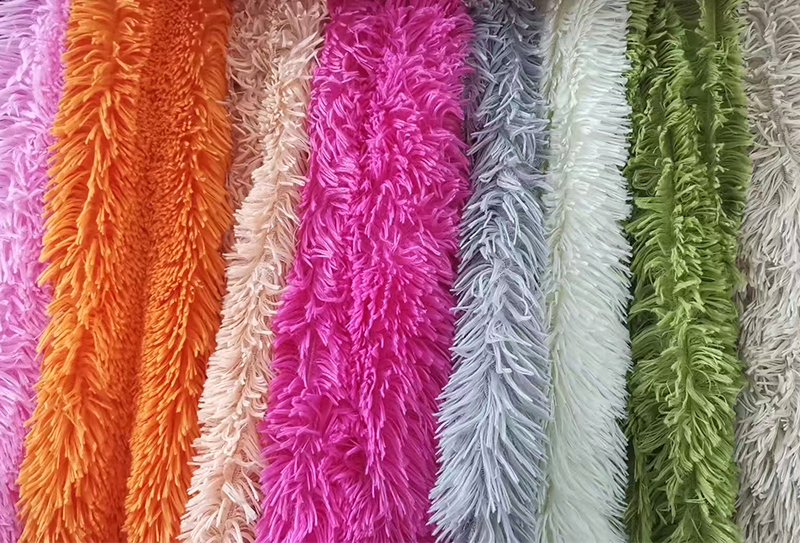
This 290gsm*165cm Haipai velvet fabric is easy to care for and 30mm thick, making it suitable for clothing, toys, pet beds, blankets, and other decorative applications. Its excellent wear resistance a...
See Details -
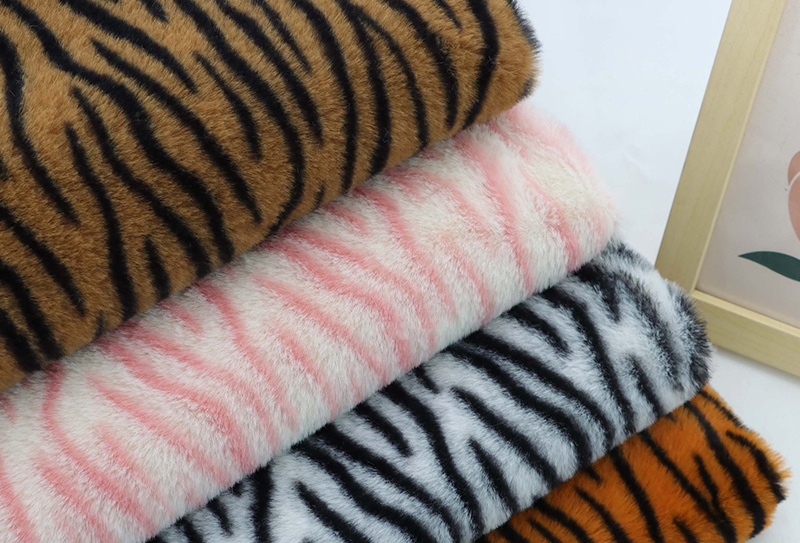
500g/160cm tiger-print rabbit fur print plush fabric uses printing technology to realistically present the wild stripes of tiger stripes on a high-quality imitation rabbit fur base fabric. The medium-...
See Details -
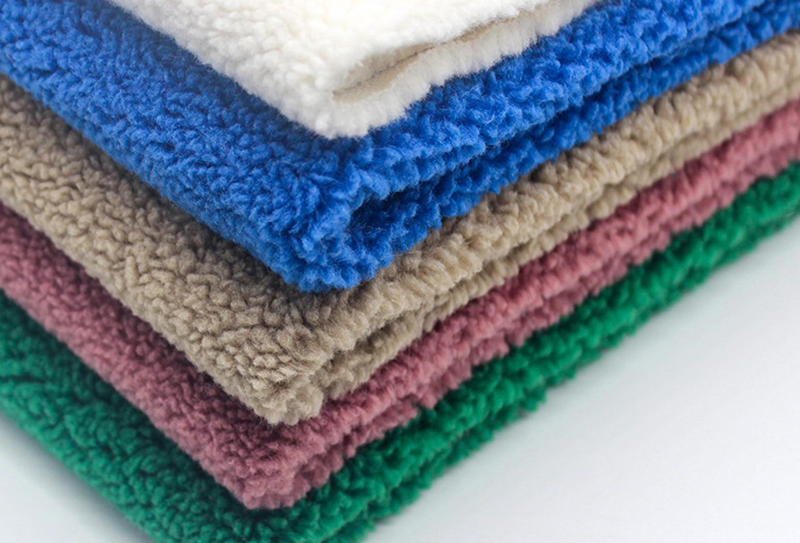
This 750mg*160cm wheat-ear grain plush fabric uses a dyeing process to create a natural, smooth, three-dimensional grain texture resembling wheat ears. The medium-heavy weight of 750g/m2 imparts the f...
See Details -
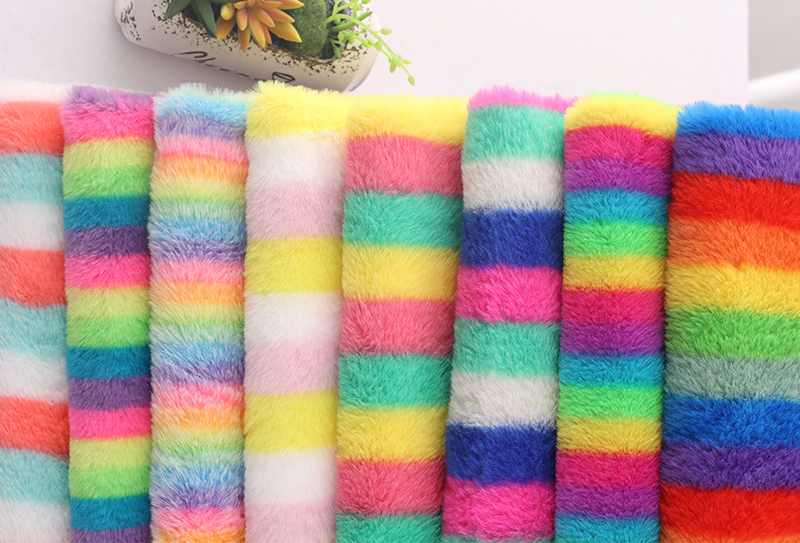
This 500mg*160cm colorful striped rabbit fur print plush fabric features a vibrant, colorful striped pattern on the imitation rabbit fur surface. Its moderate weight of 500g/m2 ensures softness and vo...
See Details -
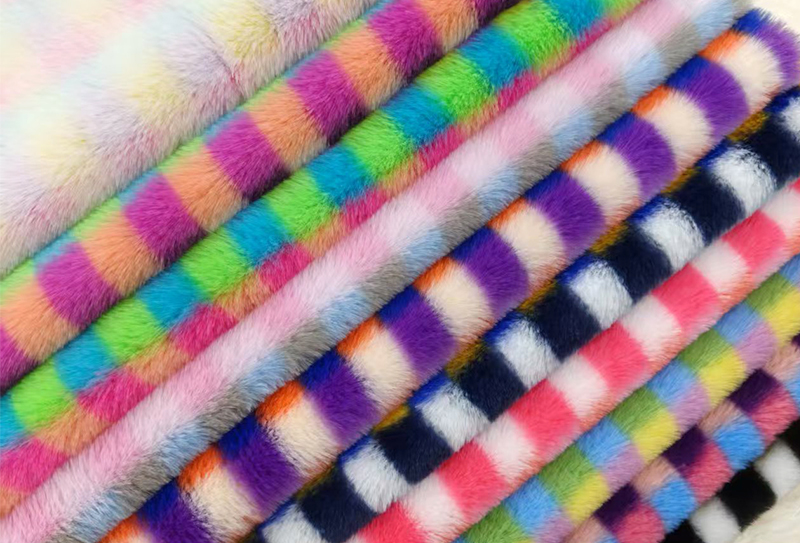
This 500mg*160cm checkered rabbit fur print plush fabric utilizes printing technology to create a clear, rich checkered pattern on the imitation rabbit fur surface. The medium weight of 500g/m ensures...
See Details
Contact us
 1027, Floor 1, Zone 1, Beilian Market, China Textile City, Keqiao District, Shaoxing City, Zhejiang Province, China
 +86-159 8821 9333

Copyright © Shaoxing Wanyi Textile Co., Ltd. All Rights Reserved
Custom Soft Faux Fur Fabric, Sherpa Fleece Material Manufacturers
