
 English
 中文简体
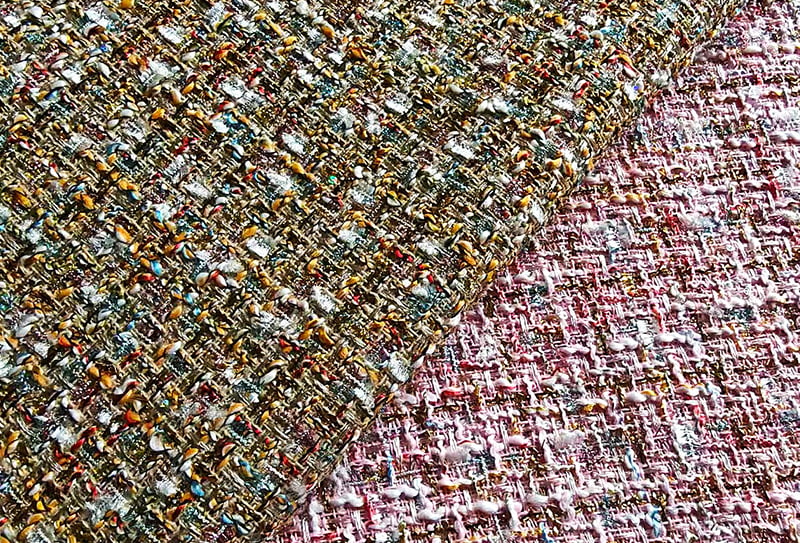
中文简体This 450g/148cm tweed fabric (item 1722) features a woven composite of gold and silver threads and sequins. Its thickened 450g/m weight imparts exceptional stiffness, while its 148cm width is optimize...
See DetailsWhat Is Plush Fabric Printing and How Does It Work?
Content
- 1 The Mechanical Challenge of Pile Printing
- 2 Primary Techniques for Plush Fabric Printing
- 3 Comparative Analysis of Printing Methods
- 4 Step-by-Step Production Workflow
- 5 Material Considerations and Substrate Selection
- 6 Durability and Wash Fastness
- 7 Cost Factors in Plush Fabric Printing
- 8 Common Defects and Troubleshooting
- 9 Environmental and Sustainability Aspects
- 10 How to Choose the Right Method for Your Project
- 11 SVG Diagram: Plush Fabric Printing Process Flow
- 12 Future Trends in Plush Fabric Printing
- 13 Frequently Asked Questions
- 13.0.1 Q1: What is the most durable printing method for plush fabric?
- 13.0.2 Q2: Can I print photographic images on plush fabric?
- 13.0.3 Q3: How does pile height affect print quality?
- 13.0.4 Q4: Is it possible to print on both sides of plush fabric?
- 13.0.5 Q5: How do I prevent the print from cracking on plush toys?
- 13.0.6 Q6: What is the typical turnaround time for a custom plush fabric print order?
- 13.0.7 Q7: Can I print on plush fabric at home with a standard inkjet printer?
- 13.0.8 Q8: How do I choose between water-based and solvent-based inks for plush?
Printing Plush Fabric is a specialized manufacturing process that applies color, patterns, and detailed images onto soft, pile-based textiles. Unlike standard fabric printing, this process must contend with a textured surface composed of raised fibers, commonly known as pile, which can obstruct ink and distort designs. The core of the technique lies in embedding colorants or dyes onto this uneven terrain without crushing the fibers or compromising the fabric's signature softness.
The Mechanical Challenge of Pile Printing
The primary hurdle in printing plush materials is the physical structure of the pile. When a standard printing method is applied to a raised surface, the ink tends to sit on the tips of the fibers rather than penetrating to the base. This creates an uneven print that may lack vibrancy or wash off easily. Technical solutions often involve adjustments to machinery. For instance, some transfer printing devices utilize vacuum systems to pull the pile upright during the printing process, ensuring the ink reaches the fabric base and preventing the fibers from matting down under pressure.
Furthermore, advanced pigment printing processes require pre-treatment of the plush fabric with grafting agents. This chemical modification ensures the fabric fibers can effectively bond with pigment inks, enhancing colorfastness and preventing the prints from rubbing off during handling.
Primary Techniques for Plush Fabric Printing
Manufacturers have developed several distinct methods to achieve high-quality prints on plush surfaces. Each varies in cost, durability, and suitability for different design complexities.
Heat Transfer Printing
This indirect method involves printing a design onto a special transfer paper using dye-sublimation inks or toners. The paper is placed against the plush fabric, and a heat press applies high temperature and pressure. The heat converts the dye into a gas, which penetrates the fibers. Upon cooling, the dye solidifies permanently within the material. This technique excels at producing photo-quality, full-color images. However, the high temperature and pressure involved can flatten the pile if not carefully calibrated. Additionally, while durable, transferred prints may fade over time with repeated washing.
Screen Printing
A traditional and robust technique, screen printing uses a mesh screen to transfer ink onto the fabric. A stencil blocks certain areas of the screen, allowing ink to pass through onto the textile only where the design exists. A squeegee pushes the ink through the mesh. Screen printing is highly cost-effective for large-volume runs of simple, block-color designs. It offers exceptional durability and color vibrancy. The main drawback is the setup time and cost associated with creating screens for each color in the design. It also struggles with intricate gradients or high-resolution photographic details.
Digital Textile Printing
Similar to home inkjet printers, digital printing applies tiny droplets of ink directly onto the fabric from a printhead. This method requires minimal setup and allows for rapid design changes, making it ideal for personalized items and short production runs. It produces high-resolution patterns with complex color transitions. To achieve optimal color penetration on plush fabrics, digital printers often use specialized printhead heights and increased ink droplet sizes to compensate for the pile height.
Comparative Analysis of Printing Methods
Choosing the correct technique depends on production volume, design complexity, and desired durability. The following table summarizes the key distinctions.
| Method | Best For | Durability | Setup Cost | Color Range |
|---|---|---|---|---|
| Heat Transfer | Photo-realistic, small batches | Moderate | Low | Excellent |
| Screen Printing | Large runs, simple graphics | High | High | Limited per screen |
| Digital Printing | Prototypes, custom orders | Moderate-High | Very Low | Excellent |
Screen printing remains the industry standard for mass-produced plush toys due to its cost-per-unit efficiency. Digital printing, however, is rapidly gaining traction in the custom merchandise sector, where order quantities rarely exceed a few hundred pieces. Heat transfer occupies a middle ground, frequently used for adding detailed logos or character faces to pre-manufactured plush items.
Step-by-Step Production Workflow
Regardless of the chosen method, the production process generally follows a structured sequence to ensure quality and consistency.
Artwork Preparation
Designs must be converted into a print-ready format. For screen printing, this involves separating the artwork into individual color layers. For digital and heat transfer, high-resolution raster files (300 dpi or higher) are required to maintain sharpness on the textured surface. Designers often enlarge small details to compensate for the visual softening caused by the pile.
Fabric Pre-Treatment
Plush fabric often undergoes a pre-treatment phase to improve ink absorption. This may include applying a primer or a fixation agent. For polyester-based plush, a heat-setting process may be employed to stabilize the fibers before printing.
Printing Execution
During this stage, the chosen printing technique is applied. In heat transfer, the transfer paper and fabric are fed into a heat press. In screen printing, the fabric is placed on a printing table, and the squeegee is manually or automatically drawn across the screen. In digital printing, the fabric passes under the printhead array.
Post-Processing and Curing
After printing, the fabric usually requires curing or drying to set the ink permanently. This may involve passing the material through a dryer or using a secondary heat press. Curing times and temperatures vary by ink type and fabric composition.
Inspection and Quality Control
Every production batch should be inspected for color accuracy, registration (alignment of colors), and pile distortion. Manufacturers often perform wash tests and rub tests to ensure the print can withstand typical use and laundering.
Material Considerations and Substrate Selection
The type of plush fabric chosen significantly impacts the print result. Different pile heights, fiber compositions, and weave structures require specific printing parameters.
Polyester Plush
Polyester is the most common base for printed plush due to its heat-resistant properties and ability to bond with disperse dyes (used in sublimation transfer). It holds color well and is relatively forgiving during the heat transfer process.
Cotton Blends
Cotton-plush blends absorb pigment and reactive inks effectively but may shrink or distort under high heat. Digital pigment printing is often recommended for these fabrics because it requires lower curing temperatures.
High-Pile vs. Low-Pile
Low-pile fabrics (shorter than 3mm) are easier to print with all methods because the fibers are shorter and the ink can reach the base layer more consistently. High-pile fabrics (over 8mm) are often limited to screen printing with low-viscosity inks or specialized digital printers that feature height-adjustable printheads.
Durability and Wash Fastness
One of the most frequent concerns with Printing Plush Fabric is how well the print holds up after repeated handling and washing. Durability is influenced by three primary factors: ink adhesion, pile structure, and curing conditions.
Screen-printed designs typically offer the highest durability because the ink forms a thick layer that bonds mechanically with the fibers. Heat transfer prints, while visually crisp, are more susceptible to cracking or peeling if the transfer paper is not fully bonded to the fabric. Digital pigment prints have improved significantly in recent years, with modern binders providing wash fastness comparable to screen printing.
Industry testing standards often require prints to withstand at least 50 industrial wash cycles without significant fading or loss of clarity. To achieve this, manufacturers must rigorously control curing temperatures. Under-curing leaves the ink soft and prone to abrasion, while over-curing can make the fibers brittle and cause the pile to shed.
Key Insight: For plush toys intended for children, durability testing must also include saliva and perspiration resistance, as these fluids can accelerate dye migration and fading.
Cost Factors in Plush Fabric Printing
Understanding the cost structure helps buyers make informed decisions. The following list breaks down the major cost contributors for each printing method.
- Screen Printing: High initial setup cost due to screen creation and color separation. Low per-unit cost, making it ideal for orders exceeding 1,000 units.
- Heat Transfer: Moderate setup cost (transfer paper and ink). Per-unit cost remains relatively flat, suitable for medium runs between 100 and 1,000 units.
- Digital Printing: Minimal setup cost (only file preparation). Per-unit cost is higher than screen printing for large volumes but offers unmatched flexibility for small orders.
Additionally, the fabric cost itself fluctuates based on fiber type and pile density. Heavier plush fabrics require more ink to achieve adequate coverage, which increases consumable costs. Manufacturers often conduct cost-benefit analyses that balance ink consumption against print quality.
Common Defects and Troubleshooting
Despite careful planning, defects can occur. Recognizing the root cause of each defect is essential for process optimization.
Ink Bleeding
This occurs when ink spreads beyond the intended design boundaries. It is often caused by excessive ink viscosity or inadequate pre-treatment. Reducing ink flow rate and increasing pre-treatment uniformity usually resolves the issue.
Pile Flattening
When the heat press pressure is too high or the dwell time too long, the pile fibers collapse and lose their loft. This is particularly problematic for high-pile fabrics. Adjusting pressure settings and using silicone-coated transfer papers can minimize this effect.
Color Shifting
Colors may appear different on plush fabric compared to a proof. This happens because the pile reflects and scatters light, altering the perceived hue. Creating color profiles specifically for plush substrates and running test prints before full production helps mitigate this.
Poor Adhesion
If the ink flakes or rubs off easily, the curing stage is likely insufficient. Increasing curing temperature or extending the dwell time (within the fabric's safe limit) improves adhesion.
Environmental and Sustainability Aspects
Sustainability is becoming increasingly important in textile printing. Water-based pigment inks are gaining popularity because they eliminate the need for harsh chemical fixatives. Additionally, digital printing generates significantly less ink waste than screen printing, as there is no need to wash out screens between jobs.
Recycling of transfer paper and using biodegradable packaging for finished prints are other emerging practices. Some facilities have implemented closed-loop water systems for pre-treatment and washing, reducing water consumption by up to 70 percent compared to traditional dyeing processes.
How to Choose the Right Method for Your Project
Selecting the optimal printing technique requires evaluating several project parameters. Use the following decision framework as a guideline.
- Quantity: For runs over 2,000 units, screen printing is usually the most economical. For runs under 200 units, digital printing is more cost-effective.
- Design Complexity: Photographic or multi-colored gradients call for digital or heat transfer. Simple, bold graphics with limited colors are ideal for screen printing.
- Fabric Type: Polyester plush works well with all three methods. Cotton-rich blends are safer with digital pigment printing to avoid heat damage.
- Turnaround Time: Digital printing offers the fastest turnaround because no screens or plates need to be manufactured.
- End-Use Application: For products that will be washed frequently, such as baby blankets, screen printing provides superior longevity.
A growing trend involves combining methods: screen printing a base layer of white ink, followed by digital printing for full-color detail. This hybrid approach, while more expensive, achieves exceptional vibrancy on dark or heavily textured plush fabrics.
SVG Diagram: Plush Fabric Printing Process Flow
Future Trends in Plush Fabric Printing
The industry is moving toward greater automation and digitalization. Printhead technology continues to advance, with newer models capable of variable droplet sizes that adapt to different pile heights in real-time. This reduces the need for manual calibration and minimizes ink waste.
Another emerging trend is the integration of RFID (radio-frequency identification) tags into printed plush fabrics for inventory tracking and authentication. This is particularly relevant for licensed character merchandise, where counterfeit prevention is a priority.
On the sustainability front, research into bio-based inks derived from agricultural waste is progressing rapidly. These inks promise comparable color performance and durability to petrochemical-based inks while significantly lowering the carbon footprint of the printing process.
Frequently Asked Questions
Q1: What is the most durable printing method for plush fabric?
Screen printing is generally considered the most durable method because the ink forms a thick, mechanical bond with the fabric fibers. It withstands repeated washing and heavy handling better than heat transfer or digital prints.
Q2: Can I print photographic images on plush fabric?
Yes, both heat transfer and digital printing can reproduce photographic-quality images. Heat transfer using dye-sublimation inks is particularly effective for this purpose, as the gas-phase dye penetrates the fibers without leaving a surface film.
Q3: How does pile height affect print quality?
Higher pile fabrics tend to soften and blur printed details because the raised fibers scatter light and obscure sharp edges. Lower pile fabrics yield crisper prints. Some printers compensate by using coarser ink droplets or adjusting printhead height.
Q4: Is it possible to print on both sides of plush fabric?
Yes, but it requires careful handling. Double-sided printing is more common with digital printing, as the fabric can be fed through the printer twice. Screen printing both sides involves additional setup and careful alignment to prevent show-through.
Q5: How do I prevent the print from cracking on plush toys?
Cracking is usually caused by insufficient curing or using an ink that is too rigid. Selecting flexible ink formulations and ensuring the curing temperature reaches the ink manufacturer's recommended range (typically 150-170°C) will minimize cracking.
Q6: What is the typical turnaround time for a custom plush fabric print order?
Turnaround depends on the method and order size. Digital printing can deliver within 3-5 business days for small orders. Screen printing typically requires 10-15 business days due to screen preparation. Heat transfer falls in between, at around 5-10 business days.
Q7: Can I print on plush fabric at home with a standard inkjet printer?
While not recommended for large projects, some hobbyists use iron-on transfer paper designed for inkjet printers. The results are less durable and the paper may leave a stiff feel on the fabric, but this can work for one-off personalized gifts.
Q8: How do I choose between water-based and solvent-based inks for plush?
Water-based inks are preferred for most plush applications because they are softer, more environmentally friendly, and less likely to damage the pile. Solvent-based inks offer better adhesion on synthetic fibers but are harsher on the fabric and less eco-friendly.
Hot News
-
-
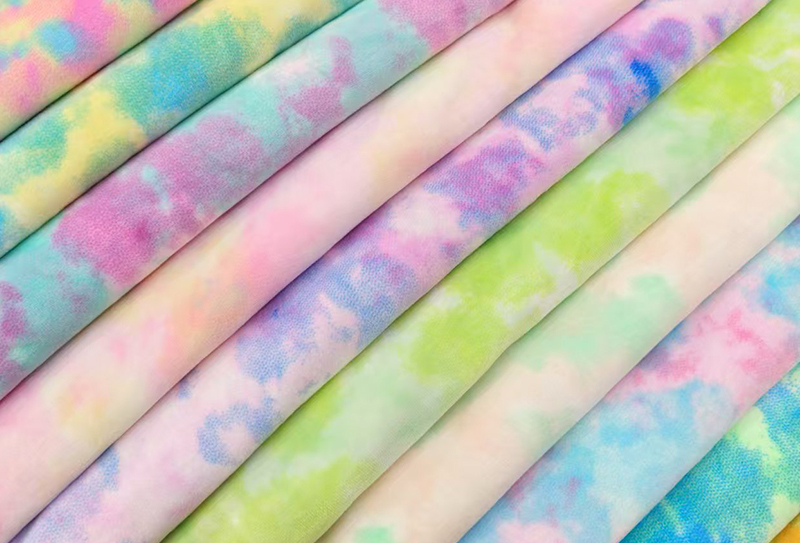
510g/170cm spandex ultra-soft short plush fabric adopts 95% polyester + 5% spandex blending process. The 300g/m weight and elastic fiber give the fabric excellent close-fitting comfort. The 170cm ultr...
See Details -
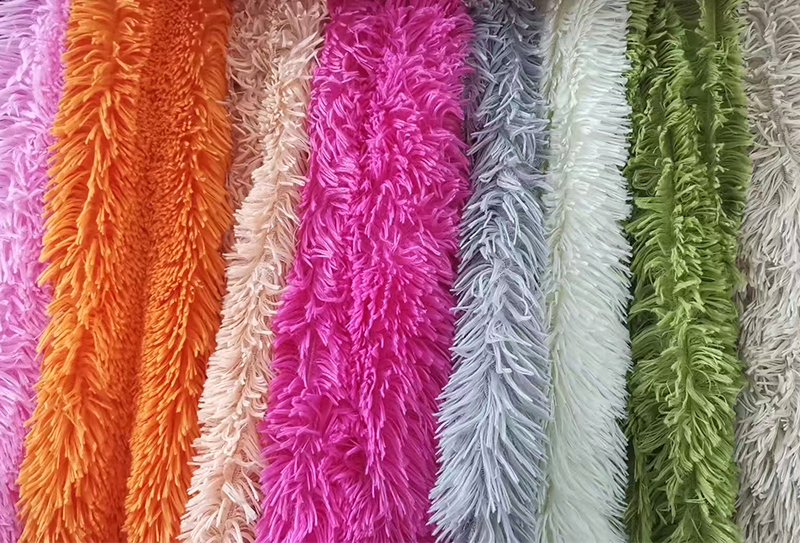
This 290gsm*165cm Haipai velvet fabric is easy to care for and 30mm thick, making it suitable for clothing, toys, pet beds, blankets, and other decorative applications. Its excellent wear resistance a...
See Details -
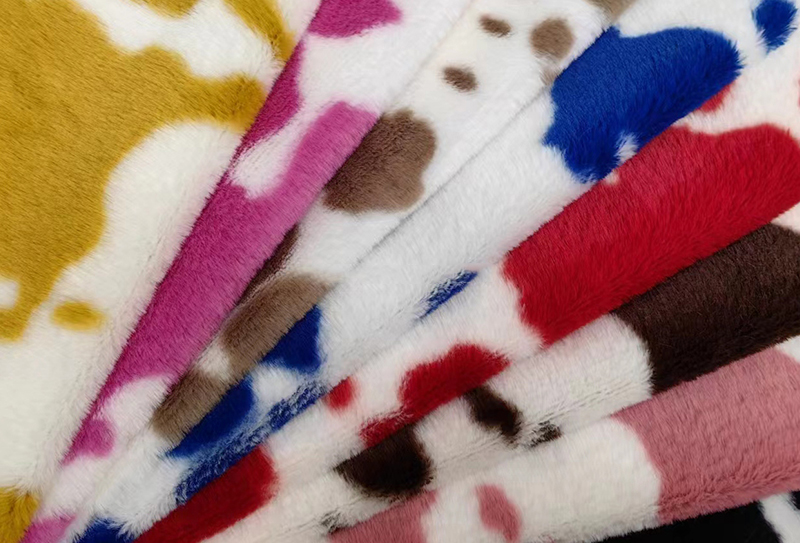
500g/160cm cow rabbit fur printed plush fabric uses printing technology to accurately restore the natural form of the black and white spots of the cow on the high-quality imitation rabbit fur base fab...
See Details -
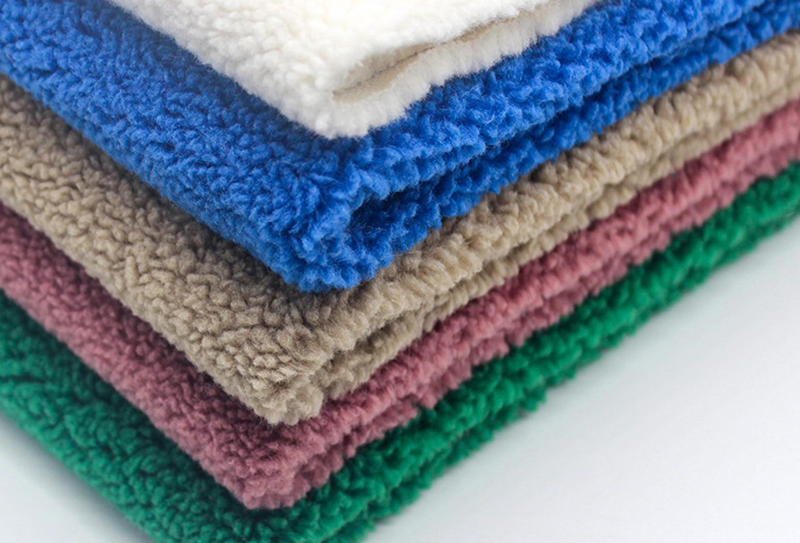
This 750mg*160cm wheat-ear grain plush fabric uses a dyeing process to create a natural, smooth, three-dimensional grain texture resembling wheat ears. The medium-heavy weight of 750g/m2 imparts the f...
See Details -
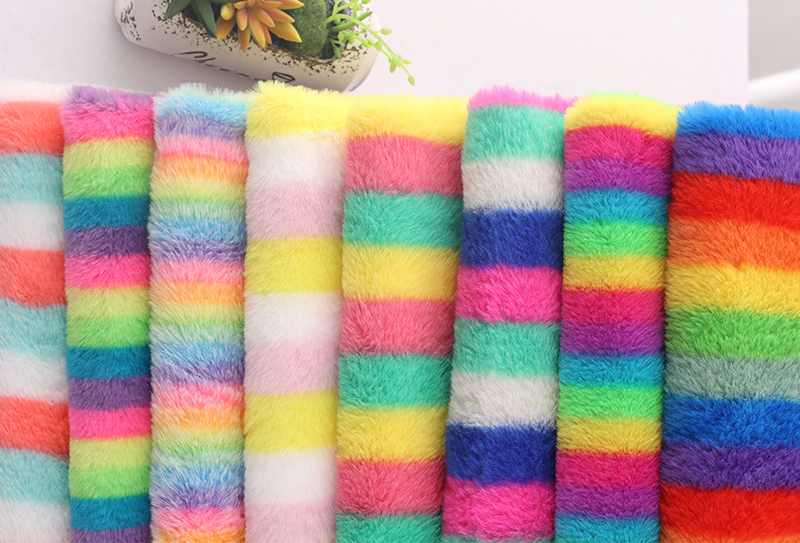
This 500mg*160cm colorful striped rabbit fur print plush fabric features a vibrant, colorful striped pattern on the imitation rabbit fur surface. Its moderate weight of 500g/m2 ensures softness and vo...
See Details
Contact us
 1027, Floor 1, Zone 1, Beilian Market, China Textile City, Keqiao District, Shaoxing City, Zhejiang Province, China
 +86-159 8821 9333

Copyright © Shaoxing Wanyi Textile Co., Ltd. All Rights Reserved
Custom Soft Faux Fur Fabric, Sherpa Fleece Material Manufacturers
